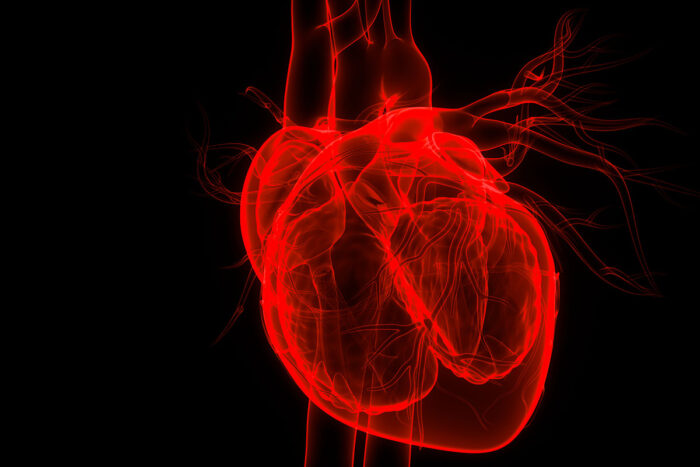
Heart failure means the heart muscle cannot pump enough blood for the body’s needs; it does not mean the heart has stopped. Most people with heart failure can live longer and feel better with the right medicines, devices and, when needed, a procedure to fix the cause. Dr. Sai Ravi Shanker treats heart failure at Aster Prime Hospital.
See a cardiologist the same week if these are new. Go to emergency for chest pain, fainting or breathlessness at rest.
The most common causes in India are previous heart attack and blocked arteries, long-standing high blood pressure, diabetes, valve disease (especially a narrow aortic valve), heart-muscle disease (cardiomyopathy), and irregular rhythms such as atrial fibrillation.
Treatment | What it does | Who it suits |
Medicines (ARNI, beta-blockers, MRA, SGLT2 inhibitors, diuretics) | Strengthen the heart over time, remove fluid, reduce hospital visits | Almost all patients |
Angioplasty or bypass | Restores blood flow to weak muscle | Heart failure caused by blocked arteries |
TAVI / valve repair | Replaces a narrowed aortic valve without open surgery | Severe aortic stenosis, high surgical risk |
CRT pacemaker (biventricular) | Makes both sides of the heart beat together | Low EF with a wide QRS on ECG |
ICD / AICD | Shocks a dangerous rhythm back to normal | High risk of sudden cardiac arrest |
Lifestyle & follow-up | Salt and fluid limits, daily weight, cardiac rehab | Everyone |
He can treat the cause and the symptoms in one place: medicines, angioplasty for blocked arteries, TAVI for valve disease, and CRT or AICD devices. Treatment is at Aster Prime Hospital with a 24/7 cath lab and cardiac ICU.
In most people heart failure can’t be cured completely, but it can be controlled well. When the cause is fixed early, such as by opening a blocked artery, replacing a narrowed valve or controlling blood pressure, the heart’s pumping can improve a lot. Many patients go back to normal daily activities with regular medicines and follow-up.
A normal ejection fraction (EF) is about 50–70%. An EF of 41–49% is mildly reduced, and 40% or below is reduced. Heart failure can also happen with a normal EF if the heart muscle is stiff, so your cardiologist looks at symptoms, the echo and blood tests together.
It depends on the cause, your EF, your age and how closely you follow treatment. With modern medicines, devices and procedures, many patients live for many years with a good quality of life. Taking medicines daily, checking your weight and keeping follow-up visits makes the biggest difference.
Cut down on salt, ideally to under 5 g a day. In Indian diets the main sources are pickles, papad, namkeen, chips, bakery items, instant noodles and restaurant food. Avoid alcohol, and limit fluids if your doctor advises it (often 1.5–2 litres a day). Fresh vegetables, fruit, dal, whole grains and grilled fish or chicken are good choices.
No. A heart attack is a sudden blockage of a heart artery that damages the heart muscle. Heart failure is a long-term weakness or stiffness of the heart. A heart attack is one of the most common causes of heart failure, which is why getting an artery opened early matters.
No. A heart attack is a sudden blockage of a heart artery that damages the heart muscle. Heart failure is a long-term weakness or stiffness of the heart. A heart attack is one of the most common causes of heart failure, which is why getting an artery opened early matters.
Yes. Regular, gentle exercise such as walking, cycling or a supervised cardiac rehab programme strengthens the heart and reduces breathlessness. Start slowly and stop if you feel chest pain, dizziness or severe breathlessness. Avoid heavy lifting until your cardiologist confirms your condition is stable.
We provide advanced Renal Angioplasty treatments with precision, safety, and compassionate care.

Advanced heart care guided by compassion and clinical excellence.
Copyright © 2025 Dr. Sai Ravi Shanker, All rights reserved. Powered by PrigmaSoft Technologies
WhatsApp us
