
- Home
- Congenital Heart Disease
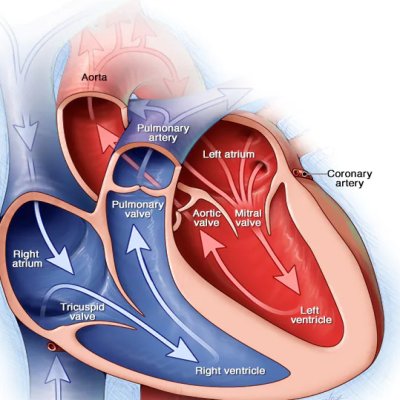
Congenital heart disease (CHD) is a problem with the structure of the heart that is present from birth. It can affect the heart’s walls, valves, or the major blood vessels that lead to and from the heart. Some defects are mild and cause no trouble, while others need treatment in infancy or later in life.
CHD is the most common type of birth defect, and thanks to better diagnosis and treatment, most children born with it now grow into adulthood. Many adults live with a repaired or unrepaired defect and need regular follow-up, because problems can appear or return years later.
Get expert Congenital Heart Disease Treatment in Hyderabad from Dr. Sai Ravi Shanker. Trusted care for children and adults with heart defects. Book a consultation with Dr. Sai Ravi Shanker today!.
Type | What it is | Possible effect |
Atrial septal defect (ASD) | A hole between the upper chambers of the heart | Extra blood flow to the lungs; breathlessness, rhythm problems later in life |
Ventricular septal defect (VSD) | A hole between the lower chambers of the heart | Fast breathing, poor weight gain in infants; lung strain if large |
Patent ductus arteriosus (PDA) | A blood vessel that should close after birth stays open | Extra lung blood flow; heart enlargement if large |
Tetralogy of Fallot | A combination of four defects that reduce oxygen in the blood | Blue skin and lips (cyanosis), spells of breathlessness |
Coarctation of the aorta | A narrowing of the aorta | High blood pressure in the arms, weak pulses in the legs |
Valve defects | Narrowed, leaky or abnormally formed valves, such as a bicuspid aortic valve | Breathlessness, fatigue, murmurs |
For some people, signs or symptoms of congenital heart disease are not noticed until adulthood. Symptoms may also return years after a defect has been treated.
Common symptoms in adults:
Signs to watch for in babies and children:
Some mild defects, such as a small ASD, may cause no symptoms for many years and are found only during a check-up or echocardiogram.
In most children the exact cause is not known. The heart forms in the first weeks of pregnancy, and a defect develops when this process does not go as expected. Factors linked with a higher risk include:
Having a risk factor does not mean a baby will have a heart defect, and many children with CHD have none of these factors.
A heart defect may be suspected before birth, soon after birth, in childhood or even in adult life. Evaluation typically includes:
Treatment depends on the type and severity of the defect, the patient’s age and overall health. Some small defects only need regular monitoring, while others need medicines or a procedure.
The right option is chosen after reviewing your tests, and the benefits and risks are explained clearly before any procedure.
If you are looking for congenital heart disease treatment in Hyderabad, Dr. Sai Ravi Shanker and the cardiac team at Aster Prime Hospital, Ameerpet, provide trusted care for children and adults with heart defects, from accurate diagnosis to catheter-based procedures and lifelong follow-up.
Congenital heart disease is a structural problem of the heart or its major blood vessels that is present from birth. It ranges from small holes that may close on their own to complex defects that need surgery.
Yes. Some defects cause no symptoms in childhood and are discovered in adulthood. Adults who had a repair in childhood may also develop symptoms years later and need lifelong follow-up.
No. Some small defects need only monitoring. Many can be treated with catheter-based devices, and others need surgery. Your cardiologist advises based on the type of defect, symptoms and test results.
In suitable patients, yes. Many atrial septal defects and some other defects can be closed with a device placed through a catheter, with a short hospital stay.
Many can, especially with early diagnosis, timely treatment and regular follow-up. Your doctor will guide you on activity, pregnancy and long-term care.
Dr. Sai Ravi Shanker consults at Aster Prime Hospital, Satyam Theatre Rd, Ameerpet, Hyderabad. Call +91 9866306060 or use the booking form to schedule a visit.
We provide advanced Renal Angioplasty treatments with precision, safety, and compassionate care.

Advanced heart care guided by compassion and clinical excellence.
Copyright © 2025 Dr. Sai Ravi Shanker, All rights reserved. Powered by PrigmaSoft Technologies
WhatsApp us