


About Us

Restoring health, rebuilding confidence, and redefining cardiac care — Dr. Sai Ravi Shanker continues to serve with excellence and compassion.

About Doctor

Dr. Sai Ravi Shanker

Designation:

HOD & Senior Consultant Cardiologist 

Aster Prime Hospitals, Ameerpet, Hyderabad.

– MD, DM(Cardiology), FACC, FESC

– Senior Consultant Cardiologist

– Structural Heart specialist

– Aster Prime Hospital, Hyderabad

– Formerly: CEO & President, Virinchi Hospital, Hyderabad.

Dr. A Sai Ravishanker is an Immensely Experienced Interventional Cardiologist with over 25 years of career span and is currently working as a Head of the Department and Senior Consultant – Interventional Cardiologist at Aster Prime Hospital, Ameerpet; Hyderabad. He has performed more than 20, 000 CATH LAB procedures. He is professionally recognized by Fellow of American College of Cardiology and Fellow of European Society for Cardiology.

If you are looking for Interventional Cardiologist in Hyderabad, you can easily book a Doctor Appointment for Best Cardiologist in Hyderabad with Dr. Sai Ravi Shanker.

About Doctor

Dr. Sai Ravi Shanker

Designation:


HOD & Senior Consultant Cardiologist 

Aster Prime Hospitals, Ameerpet, Hyderabad.

– MD, DM(Cardiology), FACC, FESC

– Sr. Consultant Cardiologist

– Director – Cath Lab

– CEO: Virinchi Hospitals, Banjara Hills, Hyderabad (Previousorganization)

Dr. A Sai Ravishanker has an overall experience of over 20 years and is currently working as a Head & Senior Consultant – Interventional Cardiologist at Aster Prime Hospital, Ameerpet; Hyderabad. He has performed more than 20, 000 CATH LAB procedures. He is an esteemed member of the Cardiological Society of India, served as Ex-Hony Secretary of CSI- Telangana chapter (2018-2019) and currently, serving as the Vice-President of The Cardiological Society of India (CSI), Telangana Chapter for the year 2025 – 26 which is a national body for cardiologists in India. He is professionally recognized by Fellow of American College of Cardiology and Fellow of European Society for Cardiology. He has also done a lot of research work and has published 12 extracts and seven original article in national medical journals and Author of several books.

Dr. Ravi Shanker had successfully performed more than 20,000 Cath Lab procedures and is considered a trusted expert in Interventional Cardiology. His professional affiliations include being a Fellow of the American College of Cardiology (FACC) and the European Society of Cardiology (FESC). He is also a distinguished member of the Cardiological Society of India and served as the Honorary Secretary of the CSI – Telangana Chapter (2018–2019). Moreover, he has been appointed as – VICE PRESIDENT OF CARDIOLOGY SOCIETY OF INDIA –Telangana Chapter 2025-26 with immense expertise and knowledge in his field he is mentoring other Cardiologists too.

As a leading Interventional Cardiologist from Hyderabad, Dr. Ravi Shanker is known for his commitment to clinical excellence, continuous research and patient-centric care. He has authorized two medical books and published seven original articles and twelve abstracts in reputed national medical journals, contributing significantly to the field of Cardiology.

Expertise in All Complex Coronary Interventions

We assure patient satisfaction with personal care.

A trusted name in cardiac care, Dr. Sai Ravi Shanker is committed to delivering accurate diagnosis, minimally invasive procedures, and lifelong heart health support.

Excellence in care. Dedication in service.

Your heart matters to us. That’s why we give our best, always.

Why Us

Premium cardiac care for every patient who puts their trust in us.

We believe in saving lives with expertise, technology, and trust. Our commitment is to provide safe, ethical, and personalized cardiac care for every patient.

Expert Cardiac & Renal Care You Can Trust

We provide advanced Renal Angioplasty treatments with precision, safety, and compassionate care.

Insight

News & Article

Heart Attack Without a Blockage

Can You Have a Heart Attack Without a Blockage? Understanding MINOCA

When most people hear the words “heart attack,” they immediately think of a blocked coronary artery. In many cases, a heart attack does occur because a coronary artery becomes severely narrowed or suddenly blocked. But medicine is more complex than this simple picture. A person can have a genuine heart attack even when a coronary angiogram does not show a major blockage. This condition is known as MINOCA – Myocardial Infarction with Non-Obstructive Coronary Arteries. So, can you have a heart attack without blockage? Yes. However, it is important to understand that “no significant blockage” does not mean “nothing is wrong with the heart.” MINOCA is a clinical condition that requires careful investigation to determine what caused the heart muscle injury. What Is MINOCA? MINOCA stands for Myocardial Infarction with Non-Obstructive Coronary Arteries. It describes patients who meet the criteria for an acute myocardial infarction but do not have a major obstructive coronary artery disease on angiography. Generally, non-obstructive coronary arteries means there is no stenosis of 50% or more in a major epicardial coronary artery. However, MINOCA is not simply a diagnosis based on seeing “normal” arteries during angiography. Doctors must also establish that the patient has had an actual myocardial infarction and investigate other possible explanations for the elevated cardiac enzymes and symptoms. MINOCA is therefore best understood as a working diagnosis that prompts doctors to search for the underlying mechanism rather than as the final explanation in every patient. How Can a Heart Attack Happen Without a Major Blockage? There are several possible mechanisms. One possibility is plaque disruption. A small cholesterol-containing plaque can rupture or erode and cause a temporary blood clot. The clot may subsequently dissolve or move, leaving no major obstruction by the time coronary angiography is performed. Another possibility is coronary artery spasm, in which a coronary artery temporarily constricts. During the spasm, blood flow to part of the heart can become inadequate. If the episode is prolonged or severe enough, myocardial injury may occur. Spontaneous coronary artery dissection (SCAD) is another possible cause. In SCAD, a separation can develop within the layers of a coronary artery wall, affecting blood flow. It may not present as the type of fixed obstruction people commonly associate with coronary artery disease. Problems involving the small blood vessels of the heart, known as the coronary microcirculation, may also contribute to myocardial ischaemia in appropriate clinical circumstances. Importantly, the cause cannot be assumed simply because the angiogram does not show a major blockage. A detailed evaluation is necessary. What Symptoms Can MINOCA Cause? MINOCA can present with symptoms similar to other forms of acute myocardial infarction. These may include: The symptoms can vary from one person to another. The absence of a severe blockage on angiography should never be used to dismiss symptoms that were suggestive of an acute cardiac event. If someone develops sudden or severe chest discomfort, difficulty breathing, unexplained sweating, fainting, or other symptoms suggestive of a heart attack, emergency medical evaluation is essential. How Is MINOCA Diagnosed? Diagnosis begins with establishing whether the patient actually meets the criteria for myocardial infarction. Cardiac troponin is an important blood marker of myocardial injury. A rise or fall in cardiac troponin, with at least one value above the appropriate reference limit, must be interpreted together with clinical evidence of acute myocardial ischaemia. Evidence may include symptoms, ECG changes, imaging findings or other appropriate evidence of infarction. If myocardial infarction is established and coronary angiography shows no obstructive coronary artery disease, MINOCA may initially be considered. But the investigation should not stop there. Doctors may need to determine whether the apparent heart attack was caused by plaque disruption, coronary spasm, SCAD or another mechanism. Additional cardiac imaging and other targeted investigations may be appropriate depending on the patient’s presentation. Cardiac magnetic resonance imaging can be particularly useful in selected patients because it can help distinguish an ischaemic myocardial injury from other conditions that can cause elevated cardiac troponin, including myocarditis and Takotsubo syndrome. These conditions should not simply be labelled as MINOCA without appropriate evaluation. Is MINOCA a “Mild” Heart Attack? No. One of the most important misconceptions is that a patient is completely safe simply because the angiogram does not show a major blockage. MINOCA represents a genuine myocardial infarction when the diagnostic criteria are fulfilled. It is associated with several different underlying mechanisms, and the appropriate treatment depends on identifying the cause. The absence of obstructive coronary disease therefore changes the diagnostic pathway; it does not make the cardiac event unimportant. Does MINOCA Always Require a Stent? Not necessarily. A stent is used to treat specific coronary artery problems where restoring or maintaining blood flow with a stent is appropriate. In MINOCA, there may be no major fixed obstruction that requires conventional stenting. This is why identifying the underlying mechanism matters. Treatment should be directed toward the specific cause rather than assuming that every patient with myocardial infarction needs the same procedure. Depending on the cause and the individual patient’s clinical situation, management may involve medication, treatment of coronary spasm, management of cardiovascular risk factors, or an interventional approach when indicated. There is no single treatment that is appropriate for every patient with MINOCA. Why Follow-Up Matters After a Heart Attack Without Blockage A diagnosis of non-obstructive coronary arteries should not be interpreted as a reason to ignore future cardiovascular risk. Patients may still have underlying coronary atherosclerosis, vascular dysfunction or another cardiac condition that requires treatment and follow-up. The long-term plan should therefore be individualized according to the cause identified, cardiovascular risk factors and overall clinical picture. Managing blood pressure, diabetes, cholesterol and other established cardiovascular risk factors can form an important part of comprehensive heart care. Your cardiologist can determine which investigations, medications and lifestyle measures are appropriate for you. When Should You See a Cardiologist? Anyone who has experienced symptoms suggestive of a heart attack, particularly when accompanied by abnormal ECG findings or elevated cardiac troponin, requires prompt medical assessment. If an
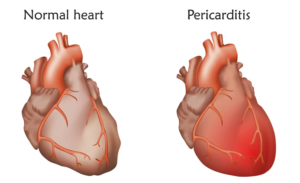

Early Signs That You May Need Pericarditis Treatment in Hyderabad

Chest pain can be a terrifying experience. Often mistaken for a heart attack, it may sometimes point to a lesser-known but serious condition—pericarditis. Pericarditis is the inflammation of the pericardium, the protective sac that surrounds your heart. When ignored, it can lead to complications such as pericardial effusion or even cardiac tamponade, both of which require immediate medical attention.Recognizing the early signs can be life-saving, especially when you have access to expert pericarditis Treatment in Hyderabad. Hyderabad has emerged as a leading city for cardiac care in India, offering access to world-class cardiologists, cutting-edge facilities, and compassionate treatment. One such renowned expert is Dr. A Sai Ravi Shanker, an interventional cardiologist with over 20 years of experience in managing complex cardiac conditions, including pericarditis and related complications. What Is Pericarditis? Pericarditis refers to inflammation of the pericardium, often resulting from infections, autoimmune diseases, trauma, or post-surgical complications. The condition can be acute (sudden onset) or chronic (long-lasting), and may vary in severity. When left untreated, pericarditis can lead to the accumulation of fluid around the heart, a condition known as pericardial effusion, which can further strain the heart’s ability to function effectively. Fortunately, timely diagnosis and pericarditis treatment in Hyderabad can help avoid such outcomes. Key Early Signs of Pericarditis Understanding the symptoms of pericarditis can help you seek medical intervention at the right time. Here are some early signs to watch out for: If you or a loved one experiences any of these symptoms, seeking prompt medical advice for pericarditis treatment in Hyderabad is crucial. Diagnosing Pericarditis Diagnosis typically involves a combination of physical examination and diagnostic tests such as: These tests help determine whether there is inflammation or fluid buildup (pericardial effusion) and the best course of action moving forward. The Importance of Timely Pericardial Effusion Treatment When fluid begins to accumulate in the pericardial sac, it can compress the heart, preventing it from filling properly. This is known as pericardial effusion, and it is a serious condition requiring urgent care. Thanks to advanced facilities and experienced specialists, pericardial effusion treatment in Hyderabad is now both accessible and effective. Treatments may include anti-inflammatory medications, corticosteroids, or procedures such as pericardiocentesis, where fluid is drained from around the heart using a catheter. Dr. A Sai Ravi Shanker has successfully managed numerous cases of pericardial effusion using both medical and interventional strategies, ensuring that patients receive safe and prompt care. Why Hyderabad Is a Preferred Destination for Cardiac Care Hyderabad is home to some of the most advanced cardiac care units in the country. From modern cath labs to 24/7 emergency cardiac support, the city provides comprehensive cardiovascular services under one roof. With over 10,000 cath lab procedures to his name, Dr. Shanker leads the cardiac department at Virinchi Hospitals, Banjara Hills, where he serves as the CEO and Director of the Cath Lab. His contributions to research and medical education have further solidified his reputation as a leader in interventional cardiology. Patients seeking pericardial effusion treatment in Hyderabad can count on Dr. Shanker’s precise diagnosis, evidence-based care, and patient-centric approach for the best outcomes. Preventing Future Episodes of Pericarditis Once you’ve been diagnosed and treated for pericarditis, it’s essential to follow a structured post-treatment plan. This often includes: Education and early detection are key in preventing complications. Being proactive with your heart health significantly reduces your risk of a second episode. Conclusion: Trust the Best Interventional Cardiologist in Hyderabad Pericarditis can be a frightening experience, but early detection and expert intervention can make a world of difference. Whether you’re experiencing initial symptoms or managing a recurring condition, your best course of action is to consult an experienced interventional cardiologist in Hyderabad like Dr. A Sai Ravi Shanker. With his deep expertise, commitment to clinical excellence, and access to world-class facilities at Virinchi Hospitals, Dr. Shanker provides personalized and comprehensive care for all heart-related conditions—including pericarditis and pericardial effusion. Book a consultation today and take the first step towards protecting your heart with confidence and care.

Is Your Cholesterol Out of Control Signs, Risks & What to Do

Is Your Cholesterol Out of Control? Signs, Risks & What to Do

High cholesterol is often called a “silent” health concern because it can build up over time without causing obvious symptoms. Many people discover they have high cholesterol only during a routine health check-up or after developing a heart-related condition. Understanding the warning signs, risk factors, and available treatment options can help you take proactive steps to protect your heart. If you are concerned about your heart health, consulting an experienced cardiologist in Hyderabad can help you identify cardiovascular risks early and create a personalized prevention plan. What Is Cholesterol? Cholesterol is a waxy substance found in your blood that plays an important role in several bodily functions. Your body needs cholesterol to build cells and support normal biological processes. However, when cholesterol levels become imbalanced, it can contribute to the buildup of fatty deposits inside blood vessels. Over time, these deposits may narrow the arteries and make it harder for blood to flow efficiently throughout the body. This can increase the risk of serious cardiovascular conditions. Why High Cholesterol Matters One of the biggest concerns with high cholesterol is that it can gradually affect your cardiovascular system without noticeable symptoms. As cholesterol accumulates within the arteries, blood flow may become restricted. Reduced blood flow can place additional strain on the heart and increase the risk of conditions that require specialized cardiac evaluation and treatment. Early detection allows doctors to identify potential concerns before they progress into more serious complications. Signs Your Cholesterol May Be Out of Control High cholesterol itself may not cause symptoms in its early stages. However, when cholesterol-related artery narrowing begins to affect circulation, some people may experience symptoms that should not be ignored. Possible warning signs include: Because these symptoms can also be associated with other heart conditions, professional evaluation is important. According to Dr. Sai Ravi Shanker’s cardiac practice, symptoms such as chest discomfort, shortness of breath, fatigue, and reduced exercise capacity warrant proper cardiovascular assessment. Who Is at Higher Risk for High Cholesterol? Several factors may increase the likelihood of developing elevated cholesterol levels, including: Unhealthy Eating Habits Diets high in processed foods, saturated fats, and unhealthy eating patterns can contribute to cholesterol imbalance. Physical Inactivity A sedentary lifestyle can negatively affect overall cardiovascular health and increase heart disease risk. Excess Weight Being overweight or obese is often associated with metabolic changes that can affect cholesterol levels. Smoking Smoking can damage blood vessels and increase cardiovascular risk. Diabetes and High Blood Pressure Individuals with diabetes or hypertension may face a higher risk of developing heart-related complications. Family History Genetics can play a significant role in cholesterol levels and overall cardiovascular risk. How Is High Cholesterol Diagnosed? The most reliable way to detect high cholesterol is through a blood test known as a lipid profile. Since cholesterol often develops silently, routine health screenings are extremely important. Your doctor may recommend cholesterol screening based on: Regular preventive evaluations can help identify concerns early and allow timely intervention before symptoms develop. What Can You Do to Improve Cholesterol Levels? The good news is that cholesterol management often starts with lifestyle improvements. Follow a Heart-Healthy Diet Focus on: Limiting processed foods and unhealthy fats may help support better cardiovascular health. Stay Active Regular physical activity supports heart health and overall well-being. Even simple activities such as walking can contribute to a healthier lifestyle when performed consistently. Maintain a Healthy Weight Achieving and maintaining a healthy weight can positively influence several cardiovascular risk factors. Quit Smoking Smoking cessation is one of the most effective steps for improving long-term heart health. Manage Stress Long-term stress may contribute to unhealthy habits and negatively affect overall wellness. Developing healthy coping strategies can support both physical and emotional health. When Is Medical Treatment Needed? Lifestyle modifications are often the first step in cholesterol management. However, some individuals may require medical treatment based on their overall cardiovascular risk profile. A cardiologist may recommend medications when: Treatment decisions should always be individualized and guided by a qualified heart specialist. Why Early Cardiac Evaluation Matters Cardiovascular conditions often respond best when identified early. Timely evaluation allows doctors to detect potential issues before they become emergencies. Dr. Sai Ravi Shanker, HOD & Senior Consultant Cardiologist at Aster Prime Hospital, Hyderabad, has more than 25 years of experience and has performed over 20,000 Cath Lab procedures. His expertise includes complex coronary interventions, advanced cardiac procedures, and comprehensive heart care. For individuals with risk factors such as high cholesterol, hypertension, diabetes, or a family history of heart disease, regular cardiac assessments can play a crucial role in long-term heart health. When Should You See a Cardiologist? Consider scheduling a consultation if you: Early intervention can help reduce future cardiovascular risk and support better health outcomes. Take Control of Your Heart Health Today High cholesterol may not always announce its presence, but its impact on heart health can be significant. The combination of regular screenings, healthy lifestyle choices, and expert medical guidance can help you stay ahead of potential cardiovascular problems. If you are looking for a trusted cardiologist in Hyderabad for preventive heart care, cholesterol management, or advanced cardiac evaluation, seeking expert guidance today may help protect your heart for years to come.

Choosing a Heart Specialist in Hyderabad: What to Look For in a Cardiologist for Treating Heart Blockages

Finding out that you or a loved one has a heart blockage can be an overwhelming experience. The immediate next step—finding the right medical professional—is one of the most critical decisions you will make. Hyderabad is home to some of the finest medical infrastructures in India, but the sheer number of options can leave families confused. How do you distinguish between different heart specialists? What infrastructure should the hospital have? This comprehensive guide answers the most critical questions patients face when searching for the best cardiologist in Hyderabad to treat heart blockages and manage long-term cardiac health. Frequently Asked Questions (FAQs) 1. What is the difference between an Interventional Cardiologist and a Cardiothoracic Surgeon? When looking for a heart specialist doctor in Hyderabad, it is vital to understand that heart care is divided into distinct specialties. 2. When treating heart blockages, what hospital infrastructure should I look for? The expertise of your doctor matters immensely, but their hands are tied if the hospital lacks advanced technology. When seeking the best cardiac treatment in Hyderabad, ensure the center features: 3. I was told my blockages could lead to heart failure. What does that mean? A common misconception is that heart failure means the heart has completely stopped working. Clinically, it means the heart muscle has become too weak or stiff to pump blood effectively to the rest of the body. Chronic, untreated heart blockages starve the heart muscle of oxygen, leading to this weakness. If you are managing this stage of cardiovascular disease, you need to look for a clinic that specializes in heart failure treatment in Hyderabad. Modern management involves a tight combination of customized medical therapies, advanced pacemakers (like CRT-D devices), lifestyle interventions, and structural fixes to prevent the condition from worsening. 4. What diagnostic tests should I expect during my first consultation? When you visit a specialist to evaluate chest pain or suspected blockages, they will generally follow a structured diagnostic pathway: 5. What questions should I ask during my first appointment? To ensure you are receiving transparent, patient-centric care, do not hesitate to ask your specialist these four direct questions: Key Takeaway Checklist for Patients in Hyderabad Experience international-standard cardiac care customized for your recovery and long-term vitality. Schedule Your Consultation: Contact Dr. Sai Ravi Shanker Today: Our Clinic Address Ameerpet, Hyderabad, Telangana 500032 Phone Number +91 9866306060