
Which Cooking Oils Are Better for Your Heart? A Cardiologist’s Guide
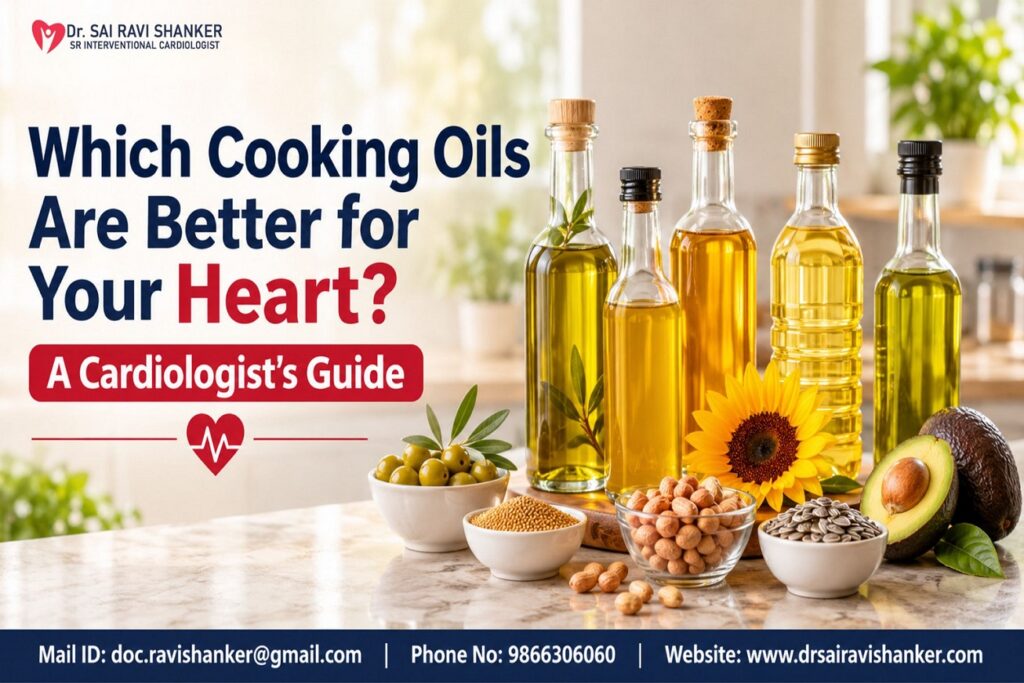
Heart-health guide from the practice of Dr. A. Sai Ravi Shanker, Senior Consultant Interventional Cardiologist, Aster Prime Hospital, Ameerpet, Hyderabad. Quick Answer: Which Cooking Oil Is Best for the Heart? There is no single “best” cooking oil for the heart. The best choices are oils that are low in saturated fat and high in monounsaturated or polyunsaturated fat, such as olive, canola, groundnut (peanut), sesame, rice bran, sunflower and avocado oil. Oils high in saturated fat (coconut, palm, ghee, butter) are better kept to small amounts, and partially hydrogenated oils (vanaspati-type fats) and reused oil are best avoided. Using less oil overall matters as much as choosing the right one. As a heart specialist in Hyderabad, one of the most common questions we hear in clinic is: “Doctor, which oil should I cook with?” This guide gives you a clear, evidence-based answer. Why the Type of Fat in Your Oil Matters for Your Heart All cooking oils are almost entirely fat. What separates one oil from another is the mix of fats it contains: A simple rule of thumb: oils that stay liquid at room temperature tend to be higher in unsaturated fats, while fats that turn solid tend to be higher in saturated fat. Heart-health guidance consistently recommends replacing saturated and trans fats with monounsaturated and polyunsaturated fats. A label check you can do in 10 seconds: choose an oil with less than 4 grams of saturated fat per tablespoon and no partially hydrogenated oil or trans fat listed. Cooking Oils for Heart Health: Comparison Table Group Oils What to know Better everyday choices Olive, canola, groundnut (peanut), sesame, rice bran, sunflower, soybean, corn, safflower Low in saturated fat and higher in unsaturated fat. Generally suitable for everyday cooking. Good specialty options Avocado, grapeseed, mustard Avocado and grapeseed can be healthy choices but may cost more. Mustard oil is rich in monounsaturated fat and also provides omega-3. Use sparingly Coconut oil, palm oil, ghee, butter Higher in saturated fat. Small portions can fit into a balanced diet, but they should not be the main cooking fat every day. Avoid Partially hydrogenated oils, vanaspati-type fats, any oil that has been reheated or reused Source of trans fat and degraded compounds. What Does the Research Say About Olive Oil and the Heart? Olive oil has some of the strongest long-term evidence. A large study followed more than 90,000 adults for 28 years and found that people who consumed more than about half a tablespoon (7 grams) of olive oil a day had a 19% lower risk of dying from cardiovascular disease than people who rarely or never used it. The same study found that replacing about 10 grams a day of margarine, butter, mayonnaise or dairy fat with olive oil was linked to an 8–34% lower risk of death overall and from specific causes. Two honest caveats: Takeaway: if you currently cook with butter, margarine or other solid fats, switching to a liquid vegetable oil, including olive oil, is a meaningful step for your heart. Coconut Oil, Ghee and Palm Oil: Should You Avoid Them? Coconut oil is about 82% saturated fat, compared with roughly 63% in butter, 50% in beef fat and 39% in lard. In a review of seven controlled trials, coconut oil raised LDL cholesterol in every one, similar to other saturated fats. For that reason, major heart-health guidance advises against using coconut oil as a heart-healthy choice and recommends limiting saturated fat to around 5–6% of daily calories, which is about 13 grams a day on a 2,000-calorie diet. In practice, we don’t ask patients to give up traditional foods overnight. The goal is balance: Healthy Oils for Indian Cooking: Rotate, Blend and Measure India’s national dietary guidelines (2024) make three practical points that fit Hyderabad kitchens well: One tablespoon of any oil contains roughly 120 calories. Even the healthiest oil is energy-dense, so measuring your oil with a spoon instead of pouring freely is one of the easiest heart-healthy habits to build. Using less oil, avoiding repeated deep-frying and eating fewer ultra-processed foods often helps more than switching brands. Cooking Habits That Matter as Much as the Oil The oil in the bottle can be perfectly healthy and still become harmful in the pan. Heart-health guidance recommends: A 7-Step Heart-Healthy Oil Checklist When Should You See a Heart Specialist? Diet is one part of heart care. Please book a cardiac evaluation if you notice chest discomfort, shortness of breath, unusual fatigue, dizziness or palpitations. People with risk factors such as high blood pressure, high cholesterol, diabetes or a known history of heart disease can also benefit from regular check-ups. Looking for a Cardiologist in Hyderabad? If you are searching for a cardiologist near me or a heart specialist in Hyderabad, look at qualifications, experience, area of specialisation, hospital facilities and how clearly the doctor explains your diagnosis and treatment options. Dr. A. Sai Ravi Shanker is a Senior Consultant and Head of the Department of Cardiology at Aster Prime Hospital, Ameerpet, Hyderabad. He holds MD and DM (Cardiology) qualifications, is a Fellow of the American College of Cardiology (FACC) and a Fellow of the European Society of Cardiology (FESC), and has over 25 years of experience as an interventional cardiologist, with more than 20,000 cath lab procedures performed. His areas of care include hypertension, heart failure, emergency cardiac care and complex coronary and structural heart interventions. Learn more about our services: Book an appointment: call +91 98663 06060 or visit the contact page. The practice lists locations in Ameerpet, Banjara Hills, Jubilee Hills, Secunderabad and Begumpet. Frequently Asked Questions Which cooking oil is best for the heart? No single oil is best for everyone. Choose oils low in saturated fat (under 4 g per tablespoon) and high in monounsaturated or polyunsaturated fat, such as olive, canola, groundnut, sesame, rice bran, sunflower or avocado oil. Rotating or blending two oils gives a better balance of fatty acids. Is olive oil good for the heart? Yes. Olive
Is Your Cholesterol Out of Control? Signs, Risks & What to Do
High cholesterol is often called a “silent” health concern because it can build up over time without causing obvious symptoms. Many people discover they have high cholesterol only during a routine health check-up or after developing a heart-related condition. Understanding the warning signs, risk factors, and available treatment options can help you take proactive steps to protect your heart. If you are concerned about your heart health, consulting an experienced cardiologist in Hyderabad can help you identify cardiovascular risks early and create a personalized prevention plan. What Is Cholesterol? Cholesterol is a waxy substance found in your blood that plays an important role in several bodily functions. Your body needs cholesterol to build cells and support normal biological processes. However, when cholesterol levels become imbalanced, it can contribute to the buildup of fatty deposits inside blood vessels. Over time, these deposits may narrow the arteries and make it harder for blood to flow efficiently throughout the body. This can increase the risk of serious cardiovascular conditions. Why High Cholesterol Matters One of the biggest concerns with high cholesterol is that it can gradually affect your cardiovascular system without noticeable symptoms. As cholesterol accumulates within the arteries, blood flow may become restricted. Reduced blood flow can place additional strain on the heart and increase the risk of conditions that require specialized cardiac evaluation and treatment. Early detection allows doctors to identify potential concerns before they progress into more serious complications. Signs Your Cholesterol May Be Out of Control High cholesterol itself may not cause symptoms in its early stages. However, when cholesterol-related artery narrowing begins to affect circulation, some people may experience symptoms that should not be ignored. Possible warning signs include: Because these symptoms can also be associated with other heart conditions, professional evaluation is important. According to Dr. Sai Ravi Shanker’s cardiac practice, symptoms such as chest discomfort, shortness of breath, fatigue, and reduced exercise capacity warrant proper cardiovascular assessment. Who Is at Higher Risk for High Cholesterol? Several factors may increase the likelihood of developing elevated cholesterol levels, including: Unhealthy Eating Habits Diets high in processed foods, saturated fats, and unhealthy eating patterns can contribute to cholesterol imbalance. Physical Inactivity A sedentary lifestyle can negatively affect overall cardiovascular health and increase heart disease risk. Excess Weight Being overweight or obese is often associated with metabolic changes that can affect cholesterol levels. Smoking Smoking can damage blood vessels and increase cardiovascular risk. Diabetes and High Blood Pressure Individuals with diabetes or hypertension may face a higher risk of developing heart-related complications. Family History Genetics can play a significant role in cholesterol levels and overall cardiovascular risk. How Is High Cholesterol Diagnosed? The most reliable way to detect high cholesterol is through a blood test known as a lipid profile. Since cholesterol often develops silently, routine health screenings are extremely important. Your doctor may recommend cholesterol screening based on: Regular preventive evaluations can help identify concerns early and allow timely intervention before symptoms develop. What Can You Do to Improve Cholesterol Levels? The good news is that cholesterol management often starts with lifestyle improvements. Follow a Heart-Healthy Diet Focus on: Limiting processed foods and unhealthy fats may help support better cardiovascular health. Stay Active Regular physical activity supports heart health and overall well-being. Even simple activities such as walking can contribute to a healthier lifestyle when performed consistently. Maintain a Healthy Weight Achieving and maintaining a healthy weight can positively influence several cardiovascular risk factors. Quit Smoking Smoking cessation is one of the most effective steps for improving long-term heart health. Manage Stress Long-term stress may contribute to unhealthy habits and negatively affect overall wellness. Developing healthy coping strategies can support both physical and emotional health. When Is Medical Treatment Needed? Lifestyle modifications are often the first step in cholesterol management. However, some individuals may require medical treatment based on their overall cardiovascular risk profile. A cardiologist may recommend medications when: Treatment decisions should always be individualized and guided by a qualified heart specialist. Why Early Cardiac Evaluation Matters Cardiovascular conditions often respond best when identified early. Timely evaluation allows doctors to detect potential issues before they become emergencies. Dr. Sai Ravi Shanker, HOD & Senior Consultant Cardiologist at Aster Prime Hospital, Hyderabad, has more than 25 years of experience and has performed over 20,000 Cath Lab procedures. His expertise includes complex coronary interventions, advanced cardiac procedures, and comprehensive heart care. For individuals with risk factors such as high cholesterol, hypertension, diabetes, or a family history of heart disease, regular cardiac assessments can play a crucial role in long-term heart health. When Should You See a Cardiologist? Consider scheduling a consultation if you: Early intervention can help reduce future cardiovascular risk and support better health outcomes. Take Control of Your Heart Health Today High cholesterol may not always announce its presence, but its impact on heart health can be significant. The combination of regular screenings, healthy lifestyle choices, and expert medical guidance can help you stay ahead of potential cardiovascular problems. If you are looking for a trusted cardiologist in Hyderabad for preventive heart care, cholesterol management, or advanced cardiac evaluation, seeking expert guidance today may help protect your heart for years to come.
Choosing a Heart Specialist in Hyderabad: What to Look For in a Cardiologist for Treating Heart Blockages
Finding out that you or a loved one has a heart blockage can be an overwhelming experience. The immediate next step—finding the right medical professional—is one of the most critical decisions you will make. Hyderabad is home to some of the finest medical infrastructures in India, but the sheer number of options can leave families confused. How do you distinguish between different heart specialists? What infrastructure should the hospital have? This comprehensive guide answers the most critical questions patients face when searching for the best cardiologist in Hyderabad to treat heart blockages and manage long-term cardiac health. Frequently Asked Questions (FAQs) 1. What is the difference between an Interventional Cardiologist and a Cardiothoracic Surgeon? When looking for a heart specialist doctor in Hyderabad, it is vital to understand that heart care is divided into distinct specialties. 2. When treating heart blockages, what hospital infrastructure should I look for? The expertise of your doctor matters immensely, but their hands are tied if the hospital lacks advanced technology. When seeking the best cardiac treatment in Hyderabad, ensure the center features: 3. I was told my blockages could lead to heart failure. What does that mean? A common misconception is that heart failure means the heart has completely stopped working. Clinically, it means the heart muscle has become too weak or stiff to pump blood effectively to the rest of the body. Chronic, untreated heart blockages starve the heart muscle of oxygen, leading to this weakness. If you are managing this stage of cardiovascular disease, you need to look for a clinic that specializes in heart failure treatment in Hyderabad. Modern management involves a tight combination of customized medical therapies, advanced pacemakers (like CRT-D devices), lifestyle interventions, and structural fixes to prevent the condition from worsening. 4. What diagnostic tests should I expect during my first consultation? When you visit a specialist to evaluate chest pain or suspected blockages, they will generally follow a structured diagnostic pathway: 5. What questions should I ask during my first appointment? To ensure you are receiving transparent, patient-centric care, do not hesitate to ask your specialist these four direct questions: Key Takeaway Checklist for Patients in Hyderabad Experience international-standard cardiac care customized for your recovery and long-term vitality. Schedule Your Consultation: Contact Dr. Sai Ravi Shanker Today: Our Clinic Address Ameerpet, Hyderabad, Telangana 500032 Phone Number +91 9866306060
Best Cardiologist in Hyderabad: Expert Heart Care for a Healthier Life
Best Cardiologist in Hyderabad: Expert Heart Care for a Healthier Life When it comes to your heart, “good enough” is never enough. Finding The Best Cardiologist in Hyderabad is a decision that impacts not just your recovery, but your long-term quality of life. With heart disease becoming increasingly common in urban centers, understanding how to navigate cardiac care is essential. This guide, authored by Dr. Sai Ravi Shanker, aims to answer your most pressing questions about heart health and specialized treatment in the City of Pearls. Why Seeking a Heart Specialist in Hyderabad Matters Hyderabad has evolved into a global healthcare hub, offering world-class cardiac facilities. However, the “best” care isn’t just about high-tech machinery; it’s about a clinician who combines surgical precision with a patient-first approach. Whether you are managing hypertension or requiring a complex intervention like a drug-coated balloon (DCB) angioplasty, expert guidance is your first line of defense. Frequently Asked Questions (FAQ) 1. When should I see a heart specialist? Don’t wait for a crisis. You should consult a heart specialist in Hyderabad if you experience: 2. What are the latest “stent-free” options available? Modern cardiology is moving toward “leaving nothing behind.” One of the most innovative treatments today is the Drug-Coated Balloon (DCB). Unlike traditional stents, a DCB delivers medication directly to the artery wall to keep it open without leaving a permanent metal scaffold. This is often an excellent choice for specific types of blockages. 3.How do I choose the right cardiologist for my needs? Look for three key pillars: 4. Can lifestyle changes really reverse heart damage? While some damage is permanent, “cardiac remodeling” through diet, exercise, and stress management can significantly improve heart function. A cardiologist doesn’t just perform procedures; they act as a coach for your “Healthier Life” journey. Professional Heart Care: The Dr. Sai Ravi Shanker Advantage Expertise in cardiology requires a blend of academic excellence and years of hands-on procedural experience. By focusing on evidence-based treatments and patient education, we ensure that every individual receives a personalized roadmap to recovery. Our goal is to minimize hospital stays and maximize your time spent doing what you love. Take the First Step Toward a Stronger Heart Your heart deserves the attention of an expert who understands the nuances of modern cardiac science. Don’t ignore the whispers of your body—proactive care is the most effective way to prevent major cardiac events. Experience world-class cardiac care and innovative “stent-free” solutions tailored to your health needs. Contact Dr. Sai Ravi Shanker Today: Our Clinic Address Ameerpet, Hyderabad, Telangana 500032 Phone Number+91 9866306060
5 Signs You Need to Consult the Best Cardiologist in Hyderabad Immediately
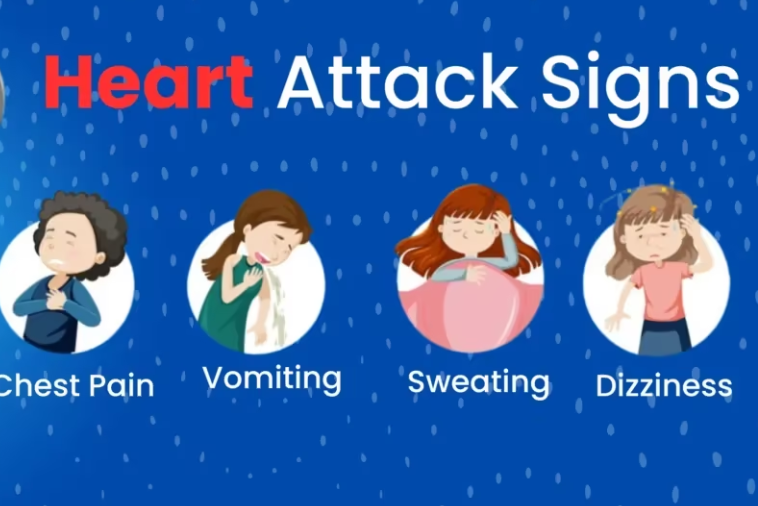
When it comes to matters of the heart, both literally and figuratively, early detection and timely treatment can make all the difference. Cardiovascular diseases often progress silently, and by the time symptoms become severe, critical damage may have already occurred. That’s why it’s crucial to understand the warning signs and act promptly. In a bustling city like Hyderabad, access to world-class cardiac care is not a challenge—but knowing when to consult the best cardiologist in Hyderabad can be. Five Key Signs to Never Ignore In this blog, we explore five key signs that should never be ignored and may indicate the urgent need to consult a cardiologist, especially someone with the expertise of an interventional cardiologist in Ameerpet like Dr. A Sai Ravi Shanker. 1. Chest Pain or Discomfort This is perhaps the most well-known indicator of a heart problem. However, not all chest pains are dramatic or intense. You might feel pressure, tightness, or a squeezing sensation in the chest. These signs could be associated with angina, which results from reduced blood flow to the heart muscle and may indicate coronary artery disease. If you’re experiencing recurrent chest discomfort—even if it’s mild—do not brush it off. It’s a clear signal to consult the best cardiologist in Hyderabad who can run appropriate diagnostics such as ECG, stress tests, or angiography to determine the underlying issue. 2. Shortness of Breath, Especially During Routine Activities Climbing stairs, walking short distances, or performing daily chores should not leave you breathless. Shortness of breath can occur when the heart isn’t pumping effectively, leading to fluid buildup in the lungs. It could be a sign of heart failure, arrhythmia, or valvular disease. As a senior Interventional Cardiologist in Ameerpet, Dr. A Sai Ravi Shanker specializes in diagnosing and treating such conditions with advanced interventional procedures, which can restore normal function and significantly improve quality of life. 3. Persistent Fatigue and Dizziness While we all feel tired sometimes, chronic fatigue and unexplained dizziness can be indicative of poor blood circulation caused by heart dysfunction. These symptoms often develop gradually and may be mistaken for general weakness or stress. If fatigue continues despite adequate rest, or if you frequently feel dizzy, it’s time to seek medical attention. The best cardiologist in Hyderabad, such as Dr. Shanker at Virinchi Hospitals, will conduct a thorough evaluation to identify potential heart-related causes and provide timely intervention. 4. Irregular Heartbeat or Palpitations An irregular or fast heartbeat, commonly referred to as palpitations, could signal arrhythmia. While occasional palpitations may be harmless, frequent or intense episodes might be symptomatic of a more serious condition. In such cases, an interventional cardiologist in Ameerpet with expertise in electrophysiology can assess and treat the condition using procedures like catheter ablation or pacemaker implantation if required. Ignoring irregular heartbeats can lead to complications such as stroke or heart failure, so early consultation is key. 5. Swelling in Legs, Ankles, or Abdomen Fluid retention in the body—most commonly visible in the legs and ankles—is another sign of heart failure. It occurs when the heart cannot pump blood efficiently, causing fluid to build up in the lower extremities or even the abdomen. If you notice unexplained swelling, especially when paired with weight gain or reduced urination, consult a cardiologist immediately. At Virinchi Hospitals, Dr. A Sai Ravi Shanker and his team use state-of-the-art diagnostics to identify the root cause and provide effective treatment plans. Why Choose Dr. A Sai Ravi Shanker? With over 20 years of experience, Dr. A Sai Ravi Shanker is one of the best cardiologists in Hyderabad. He has performed more than 10,000 cath lab procedures and holds prestigious fellowships from the American College of Cardiology (FACC) and the European Society of Cardiology (FESC). His role as CEO and Director of the Cath Lab at Virinchi Hospitals underscores his clinical leadership and commitment to excellence. As a renowned interventional cardiologist in Ameerpet, Dr. Shanker uses minimally invasive procedures to diagnose and treat a wide range of cardiovascular conditions. His research contributions, national publications, and authorship of two medical books further highlight his dedication to advancing cardiac care. Final Thoughts Your heart works tirelessly to keep you alive. It’s only fair that you listen when it signals distress. Whether it’s chest discomfort, fatigue, or irregular heartbeat—these signs should never be ignored. Consulting the best cardiologist in Hyderabad at the right time can literally save your life. Don’t wait for symptoms to escalate. Book an appointment with Dr. A Sai Ravi Shanker, the leading interventional cardiologist in Ameerpet, and take the first step toward a healthier heart.
