
Exercise After Angioplasty: What’s Safe?

Undergoing angioplasty is often a turning point in the journey toward better heart health. But one of the most common questions patients ask afterward is: “When can I start exercising again, and what kinds of exercise are safe?” This question reflects both hope and understandable concern. According to Dr. Sai Ravi Shanker, an experienced Interventional Cardiologist in Ameerpet, Hyderabad, exercise after angioplasty isn’t just safe — it is often essential. Done correctly, it can improve cardiovascular fitness, reduce the risk of further heart problems, boost mental well-being, and help patients regain confidence in daily life. In this detailed guide, we explore what kinds of exercise are safe after angioplasty, when to start, what to avoid, and why seeking guidance from the Best Cardiologist in Ameerpet, Hyderabadis the best first step. Understanding Angioplasty and Recovery Angioplasty, medically known as Percutaneous Coronary Intervention (PCI), is performed to open blocked or narrowed coronary arteries, restoring healthy blood flow to the heart muscle. It often involves placing a stent to keep the artery open. Recovery from angioplasty isn’t only about healing the artery itself, but also about regaining overall heart strength and confidence. Dr. Sai Ravi Shanker, who has performed over 20,000 cath lab procedures and serves as the HOD & Senior Consultant Cardiologist at Aster Prime Hospitals, emphasizes that a structured and gradual return to physical activity can be as important as the procedure itself. When Can You Start Exercising After Angioplasty? Every patient’s recovery is different, depending on factors such as age, overall health, number of stents placed, and the presence of other conditions like diabetes or heart failure. However, some general timelines can guide expectations: First 24–48 hours: Focus on rest and gentle movement around the room, like standing, sitting up, or slowly walking to the bathroom. Within the first week after discharge: Short walks around the house, lasting a few minutes, at a slow pace. Avoid stairs or hills initially. 2–4 weeks: Gradually increase walking time and distance if there is no chest pain or unusual fatigue. Slow, controlled stretching may be added. 4–6 weeks: Many patients can safely start a structured cardiac rehabilitation program. These programs, supervised by medical professionals, are designed to help patients exercise safely and effectively. Dr. Sai Ravi Shanker, known as the Best Cardiologist in Ameerpet, Hyderabad, advises that patients should never rush this timeline. Instead, each step should be taken based on personalized medical advice and regular follow-ups. Safe Types of Exercise After Angioplasty The safest exercises after angioplasty are usually moderate-intensity, low-impact aerobic activities that gently strengthen the heart without placing excessive strain on healing vessels. These include: As recovery progresses, supervised strength training with light weights may be introduced, especially within a cardiac rehabilitation program. A trusted Interventional Cardiologist in Ameerpet, Hyderabad like Dr. Sai Ravi Shanker will help design a personalized exercise plan that considers the patient’s fitness level, heart health, and specific needs. What to Avoid After Angioplasty Even though exercise is encouraged, there are important limitations, especially in the first weeks after the procedure: Patients should always monitor how they feel during exercise and stop immediately if they notice warning signs like chest pain, unusual sweating, palpitations, or lightheadedness. The Role of Cardiac Rehabilitation Cardiac rehabilitation programs are among the safest and most effective ways to return to exercise after angioplasty. These programs are supervised by a team of specialists and typically include: Dr. Sai Ravi Shanker, recognized as the Best Cardiologist in Ameerpet, Hyderabad, often recommends cardiac rehab for many patients, especially those with additional risk factors or a history of heart attacks. How to Monitor Your Progress Safely Returning to exercise is about listening to your body and tracking your progress carefully: As an experienced Interventional Cardiologist in Ameerpet, Hyderabad, Dr. Sai Ravi Shanker guides patients in setting realistic, safe goals tailored to their health status and recovery pace. Why Exercise After Angioplasty Is Important Exercise plays a critical role beyond just strengthening the heart muscle. It can: When combined with healthy eating, medication adherence, quitting smoking, and stress reduction, exercise becomes a cornerstone of long-term heart health. Combining Exercise with Lifestyle Changes To protect heart health after angioplasty, patients should consider: Dr. Sai Ravi Shanker believes that heart care doesn’t end in the hospital. It continues through every walk, meal, and lifestyle choice patients make daily. Expertise That Makes the Difference Dr. Sai Ravi Shanker, with over 20 years of experience and recognized as the Best Cardiologist in Ameerpet, Hyderabad, has helped thousands of patients safely return to active lives after angioplasty. His expertise includes complex coronary interventions, structural heart procedures like TAVR, pacemaker implantation, and advanced imaging-guided procedur. Patients trust his guidance not just for his technical skill, but also for his patient-centered approach and commitment to long-term well-being. His dedication to mentoring other cardiologists and contributions to medical research reflect a career built on excellence and care. Key Takeaways Conclusion Resuming exercise after angioplasty is not about rushing back to old routines. It’s about building a new, balanced approach to health, guided by knowledge and medical expertise. With careful planning and support, most patients regain strength, confidence, and peace of mind. If you’re ready to begin your recovery journey, schedule a consultation with Dr. Sai Ravi Shanker, the Best Cardiologist in Ameerpet, Hyderabad, through drsairavishanker.com. Get personalized, expert advice from a trusted Interventional Cardiologist in Ameerpet, Hyderabad and take the first step toward a stronger, healthier future.
Blog Details
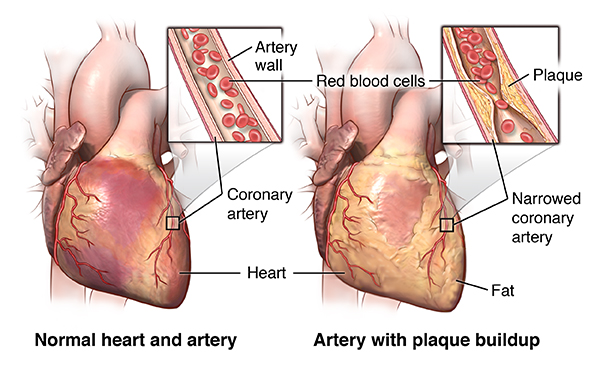
The Role of Stents in Treating Coronary Artery Disease Coronary Artery Disease (CAD) remains one of the leading causes of death worldwide, primarily caused by the buildup of plaque within the arteries that supply blood to the heart. As this plaque hardens and narrows the arteries, it reduces blood flow, increasing the risk of heart attacks and other cardiovascular complications. Thankfully, modern medicine has developed effective treatments that not only alleviate symptoms but also significantly reduce the risk of fatal events. One of the most impactful innovations in this field is the coronary stent. What Is a Stent? A stent is a small, mesh-like tube made of metal or polymer that is inserted into narrowed or blocked coronary arteries during a procedure called angioplasty. Once positioned, the stent helps keep the artery open, ensuring steady and uninterrupted blood flow to the heart. In many cases, stents are coated with medication (drug-eluting stents) to prevent the artery from narrowing again – a condition known as restenosis. How Stents Help in Coronary Artery Disease The primary role of a stent is to restore and maintain proper blood flow through the coronary arteries. Here’s how stents contribute to the management and treatment of CAD: Relieves Symptoms: Stents help alleviate symptoms like chest pain (angina), shortness of breath, and fatigue that result from reduced blood supply. Prevents Heart Attacks: By opening up the blocked artery, stents can significantly reduce the risk of a heart attack. Quick Recovery: Unlike open-heart surgery, stent placement is minimally invasive and requires significantly less recovery time. Improves Quality of Life: With improved blood circulation, patients often experience enhanced physical capacity and overall well-being. The Procedure: How It Works The stenting process is typically part of a procedure called Percutaneous Coronary Intervention (PCI) or angioplasty. A catheter is inserted through a small incision in the groin or wrist and guided to the blocked artery. Once the blockage is located, a balloon is inflated to open up the artery, and the stent is deployed to hold the artery open permanently. Dr. A Sai Ravi Shanker, an Interventional Cardiologist in Ameerpet, has performed over 20,000 such cath lab procedures with remarkable precision. His expertise spans from simple angioplasties to highly complex interventions such as Left Main Interventions, Bifurcation Stenting, and Chronic Total Occlusions (CTO). Types of Stents There are several types of coronary stents, including: Bare-metal stents (BMS): These were the first generation of stents and are rarely used today due to higher rates of restenosis. Drug-eluting stents (DES): Coated with medication that slowly releases to prevent scar tissue from forming, making them the most commonly used stents today. Bioresorbable stents: These dissolve over time and are still being evaluated for long-term effectiveness. Specialized stents: Such as those used in carotid arteries or vein grafts, tailored to unique vascular needs. Who Needs a Stent? Patients who have been diagnosed with coronary artery disease through tests such as an angiogram, and are found to have significant blockages in one or more coronary arteries, are typically considered candidates for stenting. In emergency settings, such as a heart attack, stents can be lifesaving by restoring blood flow quickly. It’s crucial to have such procedures performed by a highly skilled professional. Dr. Sai Ravi Shanker, widely regarded as the Best Cardiologist in Hyderabad, has a proven track record in performing life-saving coronary interventions. His role as the HOD and Senior Consultant Cardiologist at Aster Prime Hospitals, coupled with his academic contributions and leadership positions in professional cardiology societies, underscores his commitment to clinical excellence. Post-Stent Care After a stent placement, patients are generally prescribed medications like antiplatelet therapy to prevent blood clots. Lifestyle changes – such as a heart-healthy diet, regular exercise, stress management, and quitting smoking—are equally important to ensure long-term success. Regular follow-ups with your cardiologist are essential to monitor heart health and detect any complications early. At Aster Prime Hospitals, patients under the care of Dr. Sai Ravi Shanker receive personalized follow-up plans to ensure optimal recovery and minimal risk of restenosis. As a leading Interventional Cardiologist in Ameerpet, Dr. Shanker emphasizes comprehensive care that extends beyond the procedure. Why Choose Dr. Sai Ravi Shanker? With over 20 years of experience, Dr. Shanker combines medical expertise with compassionate, patient-centered care. His affiliations with international cardiology societies such as FACC and FESC reflect a global standard of excellence. Moreover, his contributions through books, publications, and leadership roles in the Cardiology Society of India make him a trusted name in the field. For those seeking the Best Cardiologist in Hyderabad, Dr. Shanker’s credentials, results, and reputation speak volumes. Whether you’re managing chronic heart issues or facing an acute cardiac event, his guidance ensures you are in the safest hands. Conclusion The use of stents in treating coronary artery disease has transformed the prognosis of heart patients. With minimally invasive techniques, faster recovery times, and high success rates, stenting is a cornerstone of modern cardiology. Under the expert care of professionals like Dr. A Sai Ravi Shanker, patients not only receive cutting-edge treatment but also the assurance of compassionate and comprehensive heart care.
