
Heart Care for Diabetic Patients by an Interventional Cardiologist in Hyderabad

Diabetes and heart disease share a close and concerning relationship. People living with diabetes are two to four times more likely to develop cardiovascular disease compared to non-diabetics. For diabetic patients, heart care is not just preventive—it is essential, continuous, and often interventional. Under the guidance of the Best Cardiologist in Ameerpet, Hyderabad, diabetic patients can significantly reduce their risk of heart attacks, heart failure, and sudden cardiac events. With advances in interventional cardiology, early diagnosis and minimally invasive treatments now offer better outcomes and improved quality of life. Why Diabetic Patients Are at Higher Risk of Heart Disease Diabetes affects blood vessels and nerves throughout the body, including those supplying the heart. Persistently high blood sugar levels lead to endothelial dysfunction, inflammation, and accelerated atherosclerosis—the buildup of plaque in the arteries. Common cardiac risks in diabetic patients include: Because symptoms may be subtle or absent, many diabetic patients present late, often during a major cardiac event. This makes proactive cardiac evaluation and timely intervention crucial. Importance of Early Cardiac Screening in Diabetes One of the most important aspects of heart care for diabetic patients is early and regular cardiac screening. Tests such as ECG, echocardiography, stress testing, coronary calcium scoring, and CT coronary angiography help identify heart disease before it becomes life-threatening. An experienced Interventional Cardiologist in Ameerpet, Hyderabad plays a key role in evaluating risk factors, interpreting investigations accurately, and deciding when medical management is sufficient and when interventional treatment is required. Early screening allows: Role of an Interventional Cardiologist in Diabetic Heart Care Unlike general cardiology, interventional cardiology focuses on catheter-based, minimally invasive procedures to diagnose and treat heart conditions. For diabetic patients, this expertise is particularly valuable due to the complexity of coronary artery disease seen in diabetes. An Interventional Cardiologist in Ameerpet, Hyderabad manages diabetic heart disease using a combination of: Advanced Coronary Interventions for Diabetic Patients Diabetic patients often have complex coronary anatomy involving long, calcified, or multiple blockages. Managing these requires advanced interventional expertise and cutting-edge technology. Dr. Sai Ravi Shanker, a senior consultant and director of cath lab services, has vast experience in handling such complex cases. His expertise includes: These advanced procedures significantly improve long-term outcomes in diabetic heart patients. Structural Heart Interventions and Device Therapy Diabetes often coexists with other cardiac conditions such as heart failure, rhythm disorders, and valvular heart disease. Interventional cardiology offers minimally invasive solutions for these problems as well. Key interventions include: Such advanced therapies require exceptional technical skill and experience, hallmarks of the Best Cardiologist in Ameerpet, Hyderabad. Patient-Centric Care for Long-Term Heart Health Heart care for diabetic patients does not end with a procedure. Long-term success depends on comprehensive post-procedure management, lifestyle guidance, and close follow-up. Under expert supervision, patients receive: About Dr. Sai Ravi Shanker – A Trusted Name in Interventional Cardiology Dr. A Sai Ravi Shanker is a highly respected cardiologist with over 20 years of clinical experience and more than20,000 cath lab procedures performed successfully. He is currently the HOD & Senior Consultant Cardiologist at Aster Prime Hospitals, Ameerpet, Hyderabad, and serves as CEO and Director of Cath Lab at Virinchi Hospitals, Banjara Hills. His credentials include: Dr. Ravi Shanker is also a published researcher, author of two medical books, and a mentor to young cardiologists, reinforcing his commitment to academic excellence and patient care. Why Choose an Interventional Cardiologist in Ameerpet, Hyderabad? Ameerpet is a centrally located healthcare hub in Hyderabad, offering accessibility and advanced medical infrastructure. Consulting an experienced Interventional Cardiologist in Ameerpet, Hyderabad ensures timely diagnosis, rapid intervention, and continuity of care—especially important for diabetic patients who require frequent monitoring. With advanced cath lab facilities, evidence-based treatment protocols, and personalized attention, patients receive world-class cardiac care close to home. Book an Appointment for Expert Diabetic Heart Care If you or a loved one is living with diabetes, proactive heart care can be life-saving. Early consultation with the Best Cardiologist in Ameerpet, Hyderabad allows timely detection and effective management of cardiac risks before complications arise. Dr. Sai Ravi Shanker combines clinical excellence, advanced interventional expertise, and compassionate care to deliver optimal outcomes for diabetic heart patients. Appointments can be easily booked through his official website for comprehensive evaluation and treatment planning. Conclusion Diabetes does not have to dictate your heart health. With the right preventive strategies, expert intervention, and long-term care, diabetic patients can lead active, heart-healthy lives. Choosing an experienced Interventional Cardiologist in Ameerpet, Hyderabad ensures access to advanced treatments, accurate diagnosis, and personalized cardiac care. Trust your heart to expertise. Early action today can prevent major cardiac events tomorrow.
Understanding Ejection Fraction and What It Means for You
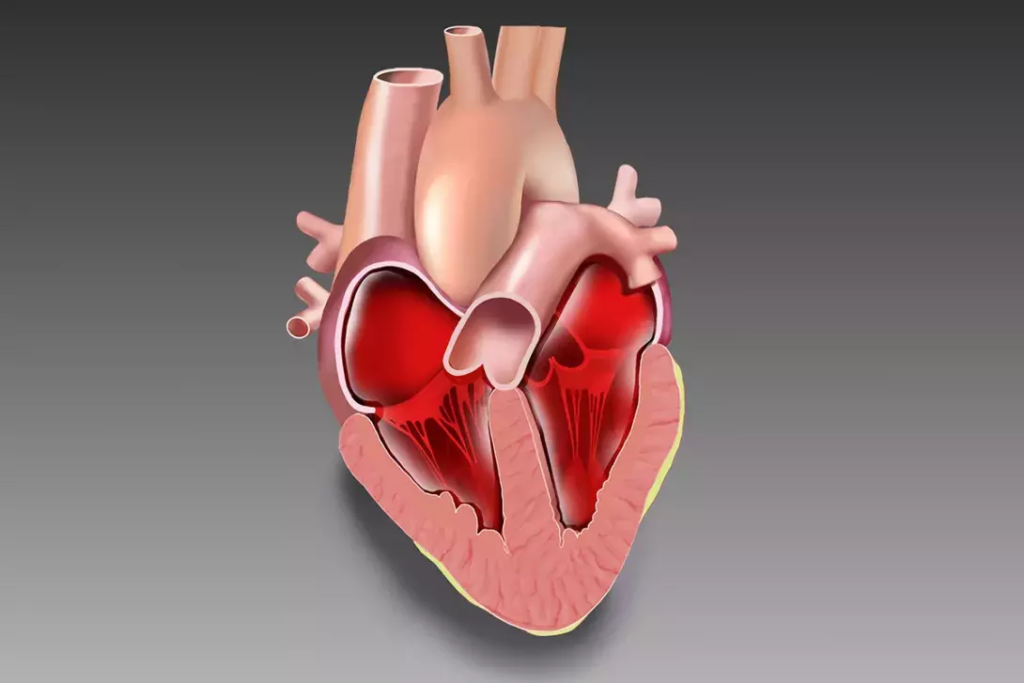
Heart failure is one of the most common yet misunderstood cardiac conditions worldwide. Despite its name, heart failure does not mean the heart has completely stopped working—it means it’s struggling to pump enough blood to meet the body’s needs. One of the most crucial indicators of heart performance is the Ejection Fraction (EF). In this detailed guide,Dr. Sai Ravi Shanker,a highly experienced Interventional Cardiologist in Ameerpet, Hyderabad, explains what EF is, how it’s measured, and why understanding it could be the key to protecting your heart health. What Is Ejection Fraction? Ejection fraction measures how much blood the left ventricle pumps out with each heartbeat. A healthy heart pumps between 50% and 70% of its blood volume per beat. Anything below this range may indicate that the heart muscle is weakened and struggling to circulate blood efficiently. When the EF is low, it’s known assystolic heart failure—a condition where the heart can’t contract effectively. Conversely, indiastolic heart failure,the heart contracts normally but becomes stiff, preventing adequate filling. In both cases, understanding your EF helps cardiologists determine the type and severity of heart failure and tailor the most effective treatment plan. Why Is Ejection Fraction Important? Your ejection fraction reveals how efficiently your heart functions. It serves as a foundation for diagnosing heart failure, monitoring its progression, and assessing response to treatment. According to theBest Cardiologist in Hyderabad,EF isn’t just a number—it’s a guide to your heart’s current and future well-being. A consistently low EF may warrant medication, lifestyle changes, or advanced procedures to prevent worsening heart failure and related complications. How Is Ejection Fraction Measured? Several non-invasive tests can determine your EF, including: With over 20,000 Cath Lab proceduresperformed,Dr. A. Sai Ravi Shanker,an acclaimed Interventional Cardiologist in Ameerpet, Hyderabad,is recognized for his expertise in using cutting-edge imaging techniques to evaluate and restore optimal heart performance. Understanding EF Levels: What the Numbers Mean Even if your EF is within normal limits, symptoms like shortness of breath, fatigue, or swelling shouldn’t be ignored. These could be early warning signs of heart strain or undiagnosed cardiac disease. A timely evaluation by the Best Cardiologist in Hyderabad can prevent progression to heart failure. Common Symptoms of Heart Failure Heart failure symptoms can be subtle at first and gradually worsen over time. Watch for these warning signs: If you experience these symptoms, schedule a consultation immediately with an Interventional Cardiologist in Ameerpet, Hyderabad, for an accurate diagnosis and early treatment. Treatment Options for Heart Failure Treatment depends on the type, cause, and severity of your condition. Dr. A. Sai Ravi Shanker, one of the Best Cardiologists in Hyderabad,takes a comprehensive approach combining medical therapy, advanced interventions, and lifestyle optimization. Treatment may include: Long-Term Management and Lifestyle Tips Heart failure is a lifelong condition that requires consistent care and self-awareness. Managing it effectively means focusing ondaily habits and routine monitoring. Here are a few essential tips recommended by theBest Cardiologist in Hyderabad: Additionally, it’s vital to manage associated conditions like diabetes, high blood pressure, and kidney disease, as these directly impact heart health. The Role of Emotional Health in Heart Failure While medications and procedures play a major role in treatment, emotional health is equally critical. Many patients with heart failure experience anxiety, fear, or depression, especially after diagnosis. Dr. Ravi Shanker emphasizes the importance of a positive mindset, strong social support, and mental wellness as part of holistic cardiac care. Simple practices such as meditation, mindfulness, or joining a cardiac rehabilitation program can help patients regain confidence and reduce emotional stress. Remember,a healthy heart also depends on a calm mind. Follow-Up and Continuous Care Regular follow-ups with your cardiologist are essential to track progress, adjust medication, and detect potential complications early. Patients under the care of Dr. A. Sai Ravi Shanker, a trustedInterventional Cardiologist in Ameerpet, Hyderabad,benefit from his patient-centric approach, which combines personalized care with advanced technology. Ongoing assessments like echocardiograms, stress tests, and blood work help ensure your treatment plan remains effective and your heart continues to improve. Final Thoughts Yourejection fraction is more than a medical term—it’s a reflection of your heart’s strength and vitality. By understanding this number and taking proactive steps, you can effectively manage heart failure and live a longer, healthier life. With over 20 years of experience, Dr. A. Sai Ravi Shanker, theBest Cardiologist in Hyderabad, has become a name synonymous with clinical excellence, precision, and compassion. From performing complex interventional procedures to guiding patients on long-term cardiac wellness, he ensures that every individual receives world-class heart care. If you’ve been diagnosed with heart failure or suspect symptoms related to weak heart function, don’t delay medical attention. Schedule your consultation with Dr. Sai Ravi Shanker,a leadingInterventional Cardiologist in Ameerpet, Hyderabad, at Aster Prime Hospitals today—and take the first step toward a stronger heart and a better life.
What to Know About Blood Thinners After Heart Treatment

After undergoing heart procedures such as angioplasty, stent placement, TAVR (Transcatheter Aortic Valve Replacement), or pacemaker implantation, patients are commonly prescribed blood thinners. These medications play a crucial role in preventing blood clots, which can cause serious complications like stroke or another heart attack. Whether the treatment involves a minor intervention or a complex coronary procedure, understanding how blood thinners work – and why they are essential – is key to long-term heart health. This guide offers insights into blood thinner therapy and its importance in cardiac care, with expert input inspired by the work of Dr. Sai Ravi Shanker, a leading Interventional Cardiologist in Ameerpet, Hyderabad. What Are Blood Thinners? Blood thinners are medications that prevent the formation of harmful blood clots. There are two main types: After cardiac procedures, especially those involving stents or structural heart interventions, blood thinners reduce the risk of clot formation around foreign materials in the blood vessels or heart. Why Are Blood Thinners Necessary After Heart Procedures? Procedures like stent implantation, TAVR, and pacemaker insertion improve blood flow and heart function. However, they also introduce materials like metal or synthetic valves that may trigger the body’s clotting response. Left unmanaged, this response can result in a blockage, increasing the risk of heart attack or stroke. Blood thinners are especially vital in complex interventions, including: In high-precision practices like those led by Dr. Sai Ravi Shanker, who has performed over 20,000 cath lab procedures, blood thinner protocols are carefully tailored to reduce complications while promoting optimal healing. How Long Do Patients Need to Take Blood Thinners? The duration of blood thinner therapy varies based on the type of procedure, patient-specific risk factors, and the type of stent or device used. Generally: Patients searching for the Best Cardiologist in Ameerpet or the Best Interventional Cardiologist in Hitech City often receive personalized plans that balance the benefits of blood thinners with the potential for bleeding risks. Side Effects to Watch Out For While blood thinners are lifesaving, they also carry a risk of excessive bleeding. Side effects can include: It is crucial for patients to monitor symptoms and report anything unusual to their healthcare provider immediately. Doctors often conduct regular follow-ups to adjust dosage or switch medications if needed. Food and Medication Interactions Certain blood thinners—particularly Warfarin—can interact with foods high in vitamin K (like spinach, kale, and broccoli). While newer anticoagulants like Rivaroxaban and Apixaban are more stable, it’s still important to inform the cardiologist about any dietary supplements or over-the-counter medications being used. Substances to avoid or use with caution include: Patients under the care of leading experts such as Dr. Sai Ravi Shanker, known as the Best Interventional Cardiologist in Ameerpet, often receive dietary guidance and medication reviews as part of a comprehensive follow-up plan. Safety Tips While on Blood Thinners To stay safe and reduce the risk of bleeding complications: Specialists like Dr. Sai Ravi Shanker, who also serves as HOD & Senior Consultant Cardiologist at Aster Prime Hospitals, ensure patients receive detailed education about safe practices while on long-term therapy. Why Choosing the Right Cardiologist Matters Blood thinner management after heart treatment requires expert supervision, especially in high-risk or elderly patients. Consulting with a qualified and experienced specialist ensures: Patients looking for the Best Cardiologist in Hitech City or Best Interventional Cardiologist in Hitech City often turn to cardiologists with extensive interventional expertise, research credentials, and a patient-centered approach. With more than two decades of experience and recognized fellowships from both the American College of Cardiology (FACC) and the European Society of Cardiology (FESC), Dr. Sai Ravi Shanker is a top choice for advanced cardiac care in Hyderabad. Conclusion Blood thinners are a critical component of recovery after interventional heart procedures. When taken correctly and monitored under expert guidance, they dramatically reduce the risk of complications and support better long-term outcomes. Patients seeking trustworthy, evidence-based cardiac care can rely on the experience and precision of Dr. Sai Ravi Shanker, who is widely regarded as one of the Best Cardiologists in Ameerpet and Hitech City. To book an appointment or learn more, visit www.drsairavishanker.com.
Blog Details
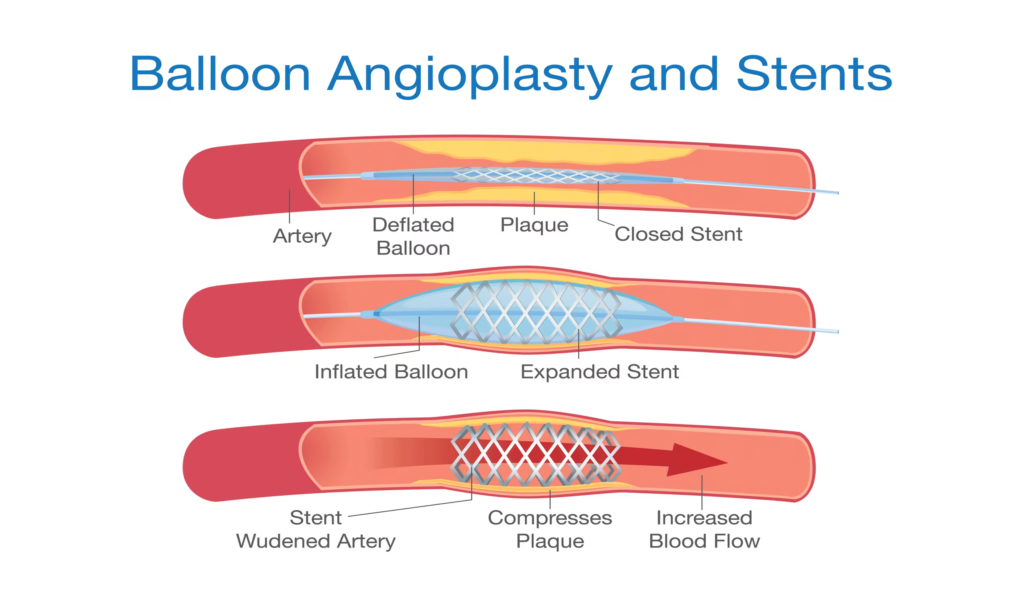
Behind the Curtain: What Happens During Coronary Angioplasty in Hyderabad? If you or a loved one has been advised to undergo coronary angioplasty in Hyderabad, it’s natural to have questions. What does the procedure involve? Is it painful? What is the recovery like? This guide explains the coronary angioplasty process step-by-step and why it’s essential to consult an experienced interventional cardiologist in Ameerpet, Begumpet, Banjara Hills, or Secunderabad. For residents across Hyderabad seeking expert cardiac care, Dr. Sai Ravi Shanker, a senior interventional cardiologist in Ameerpet, brings over 25 years of trusted experience in performing complex heart procedures, including over 20,000 Cath Lab interventions. What Is Coronary Angioplasty and Why Is It Done? Coronary angioplasty, also known as percutaneous coronary intervention (PCI), is a non-surgical, minimally invasive procedure to open blocked or narrowed coronary arteries. This helps restore normal blood flow to the heart muscle, especially in patients with chest pain (angina), shortness of breath, or after a heart attack. This lifesaving procedure is routinely performed by leading cardiologists like Dr. Sai Ravi Shanker, who is widely recognized as the best cardiologist in Banjara Hills and across Hyderabad for his expertise in complex coronary interventions. Who Should Consider Coronary Angioplasty in Hyderabad? You may need an angioplasty if:You’ve had a recent heart attackYour stress test or angiogram shows significant artery blockageYou’re experiencing frequent chest pain or shortness of breathYou have risk factors like diabetes, high BP, or smoking history Whether you’re searching for an interventional cardiologist in Secunderabad or Begumpet, it’s important to choose someone with hands-on experience in dealing with complicated cases. Step-by-Step: What Happens During Coronary Angioplasty? Patients visiting Aster Prime Hospitals in Ameerpet, where Dr. Sai Ravi Shanker is the Head of Department, receive world-class treatment using the latest technologies. 1. Hospital Admission & Preparation You will be admitted a few hours before the procedure. After initial tests (like ECG and blood work), you’ll be prepped for the angioplasty. You’ll remain awake but sedated during the procedure. 2. Catheter Insertion The procedure begins with the insertion of a catheter (a thin, flexible tube) into an artery in your wrist or groin. This is gently guided toward the heart. 3. Locating the Blockage Using imaging tools like IVUS (Intravascular Ultrasound) or OCT (Optical Coherence Tomography)—both areas of Dr. Shanker’s expertise—the cardiologist identifies the exact site and severity of the blockage. 4. Balloon Inflation and Stenting A small balloon is inflated at the blockage site to open up the artery. In most cases, a stent is placed to keep the artery open permanently. 5. Completion and Recovery Once the blockage is treated, the catheter is removed, and pressure is applied to the entry site. Patients are monitored closely and typically discharged within 24 to 48 hours. Post-Angioplasty Recovery Tips Dr. Sai Ravi Shanker, a renowned interventional cardiologist in Begumpet and Hyderabad, emphasizes the importance of follow-up care. After angioplasty:Avoid heavy lifting for a few daysTake all prescribed medicationsAdopt a heart-healthy lifestyleJoin a cardiac rehabilitation program if recommended Why Hyderabad Residents Trust Dr. Sai Ravi Shanker Patients across Ameerpet, Banjara Hills, Secunderabad, and Begumpet prefer Dr. Sai Ravi Shanker for his exceptional qualifications and patient-first approach.25+ years of experience in interventional cardiologyFormer CEO of Virinchi Hospitals, Banjara HillsHOD & Senior Consultant at Aster Prime Hospitals, AmeerpetFellow of the American College of Cardiology (FACC) and European Society of Cardiology (FESC)Expertise in Primary PCI, CTO, TAVR, Bifurcation Stenting, and more Whether you’re in central Hyderabad or surrounding localities, Dr. Shanker is just a short drive away. If you’re looking for a trusted interventional cardiologist in Secunderabad or the best cardiologist in Banjara Hills, you’re in safe hands. Book a Consultation Today If you’re experiencing symptoms like chest pain, breathlessness, or have a family history of heart disease, don’t delay. Early diagnosis and intervention can be lifesaving. To consult Dr. Sai Ravi Shanker, a leading interventional cardiologist in Ameerpet, visit: www.drsairavishanker.com Available at. Aster Prime Hospitals, Ameerpet, Hyderabad
Blog Details

5 Signs You Need to Consult the Best Cardiologist in Hyderabad Immediately When it comes to matters of the heart, both literally and figuratively, early detection and timely treatment can make all the difference. Cardiovascular diseases often progress silently, and by the time symptoms become severe, critical damage may have already occurred. That’s why it’s crucial to understand the warning signs and act promptly. In a bustling city like Hyderabad, access to world-class cardiac care is not a challenge—but knowing when to consult the best cardiologist in Hyderabad can be. Five Key Signs to Never Ignore In this blog, we explore five key signs that should never be ignored and may indicate the urgent need to consult a cardiologist, especially someone with the expertise of an interventional cardiologist in Ameerpet like Dr. A Sai Ravi Shanker. 1. Chest Pain or Discomfort This is perhaps the most well-known indicator of a heart problem. However, not all chest pains are dramatic or intense. You might feel pressure, tightness, or a squeezing sensation in the chest. These signs could be associated with angina, which results from reduced blood flow to the heart muscle and may indicate coronary artery disease. If you’re experiencing recurrent chest discomfort—even if it’s mild—do not brush it off. It’s a clear signal to consult the best cardiologist in Hyderabad who can run appropriate diagnostics such as ECG, stress tests, or angiography to determine the underlying issue. 2. Shortness of Breath, Especially During Routine Activities Climbing stairs, walking short distances, or performing daily chores should not leave you breathless. Shortness of breath can occur when the heart isn’t pumping effectively, leading to fluid buildup in the lungs. It could be a sign of heart failure, arrhythmia, or valvular disease. As a senior Interventional Cardiologist in Ameerpet, Dr. A Sai Ravi Shanker specializes in diagnosing and treating such conditions with advanced interventional procedures, which can restore normal function and significantly improve quality of life. 3. Persistent Fatigue and Dizziness While we all feel tired sometimes, chronic fatigue and unexplained dizziness can be indicative of poor blood circulation caused by heart dysfunction. These symptoms often develop gradually and may be mistaken for general weakness or stress. If fatigue continues despite adequate rest, or if you frequently feel dizzy, it’s time to seek medical attention. The best cardiologist in Hyderabad, such as Dr. Shanker at Virinchi Hospitals, will conduct a thorough evaluation to identify potential heart-related causes and provide timely intervention. 4. Irregular Heartbeat or Palpitations An irregular or fast heartbeat, commonly referred to as palpitations, could signal arrhythmia. While occasional palpitations may be harmless, frequent or intense episodes might be symptomatic of a more serious condition. In such cases, an interventional cardiologist in Ameerpet with expertise in electrophysiology can assess and treat the condition using procedures like catheter ablation or pacemaker implantation if required. Ignoring irregular heartbeats can lead to complications such as stroke or heart failure, so early consultation is key. 5. Swelling in Legs, Ankles, or Abdomen Fluid retention in the body—most commonly visible in the legs and ankles—is another sign of heart failure. It occurs when the heart cannot pump blood efficiently, causing fluid to build up in the lower extremities or even the abdomen. If you notice unexplained swelling, especially when paired with weight gain or reduced urination, consult a cardiologist immediately. At Virinchi Hospitals, Dr. A Sai Ravi Shanker and his team use state-of-the-art diagnostics to identify the root cause and provide effective treatment plans. Why Choose Dr. A Sai Ravi Shanker? With over 20 years of experience, Dr. A Sai Ravi Shanker is one of the best cardiologists in Hyderabad. He has performed more than 10,000 cath lab procedures and holds prestigious fellowships from the American College of Cardiology (FACC) and the European Society of Cardiology (FESC). His role as CEO and Director of the Cath Lab at Virinchi Hospitals underscores his clinical leadership and commitment to excellence. As a renowned interventional cardiologist in Ameerpet, Dr. Shanker uses minimally invasive procedures to diagnose and treat a wide range of cardiovascular conditions. His research contributions, national publications, and authorship of two medical books further highlight his dedication to advancing cardiac care. Final Thoughts Your heart works tirelessly to keep you alive. It’s only fair that you listen when it signals distress. Whether it’s chest discomfort, fatigue, or irregular heartbeat—these signs should never be ignored. Consulting the best cardiologist in Hyderabad at the right time can literally save your life. Don’t wait for symptoms to escalate. Book an appointment with Dr. A Sai Ravi Shanker, the leading interventional cardiologist in Ameerpet, and take the first step toward a healthier heart.
