
Blog Details
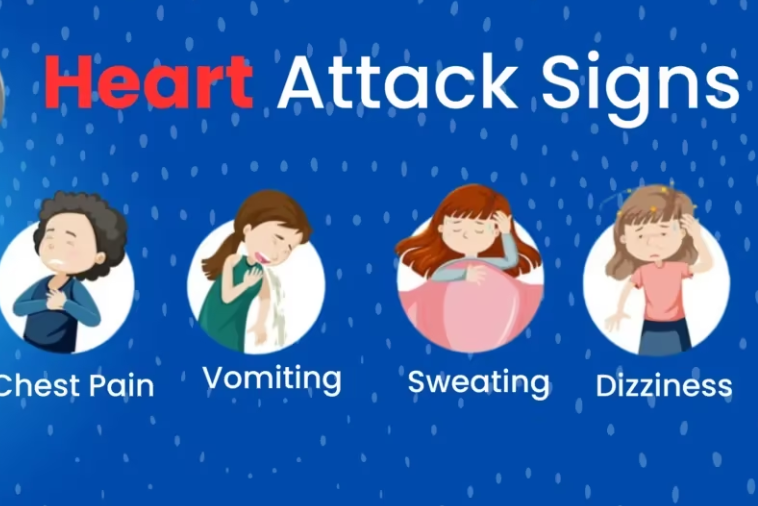
Types of Heart Attacks Heart disease is a major concern worldwide, and the rising prevalence is concerning. People must be aware of the risk factors and symptoms of heart disease and seek medical assistance as soon as they detect a problem. A heart attack, also known as a myocardial infarction, happens when one or more coronary arteries become blocked, preventing oxygen-rich blood from reaching the heart muscle. This blockage could be caused by an accumulation of plaque (atherosclerosis) in the arteries. When blood flow stops, the affected area of the heart muscle may be injured or die if it is not restored immediately. If not treated promptly, this might result in significant complications, including death. There are five different types of heart attacks are present. They are: It’s important for people to recognize the symptoms of a heart attack, which can include chest pain or discomfort, upper body discomfort, shortness of breath, nausea, lightheadedness, or cold sweats. Ignoring these symptoms can be dangerous and potentially life-threatening. If someone experiences symptoms of a heart attack, they should seek immediate medical help by calling emergency services or going to the nearest emergency room. Early intervention can help minimize damage to the heart muscle and improve outcomes.
