
Blog Details

What Is Cardiomyopathy? Early Signs and Latest Treatment Options Cardiomyopathy is a complex heart muscle disorder that affects the heart’s ability to pump blood effectively. Over time, it can lead to heart failure, arrhythmias, and even sudden cardiac arrest if not diagnosed and managed early. While the term may sound intimidating, advancements in cardiac care – especially through interventional cardiology – have significantly improved outcomes for those diagnosed with this condition. If you or a loved one have been recently diagnosed or are experiencing unexplained symptoms such as breathlessness or fatigue, understanding cardiomyopathy and its modern treatment options is essential. In Hyderabad, cutting-edge care is now more accessible than ever, especially under the expert guidance of Dr. A Sai Ravi Shanker, a leading Interventional Cardiologist in Hyderabad. What Is Cardiomyopathy? Cardiomyopathy refers to diseases of the heart muscle that make it harder for the heart to pump blood to the rest of the body. There are several types of cardiomyopathy, including:Dilated Cardiomyopathy (DCM)– The most common form, where the heart’s chambers enlarge and weaken.Hypertrophic Cardiomyopathy (HCM) – The heart muscle thickens, making it harder for the heart to pump blood.Restrictive Cardiomyopathy – The heart becomes rigid and less elastic, restricting its ability to expand and fill with blood.Arrhythmogenic Right Ventricular Cardiomyopathy (ARVC) – Rare but serious, it affects the heart’s rhythm and structure. Some types are inherited, while others may be caused by conditions like high blood pressure, heart attacks, viral infections, or alcohol abuse. What Causes Cardiomyopathy? While the cause can vary from patient to patient, common risk factors include: One closely related condition is myocarditis, an inflammation of the heart muscle usually caused by a viral infection, which can progress to dilated cardiomyopathy if left untreated. Early Signs and Symptoms Cardiomyopathy often progresses slowly, and symptoms may not appear until the condition is more advanced. However, some early warning signs include:Shortness of breath, especially during physical activity or while lying downFatigue or weaknessSwelling in the legs, ankles, or feetIrregular heartbeat or palpitationsDizziness or faintingChest pain, particularly after exertion If you are experiencing any of these symptoms, it’s crucial to seek prompt medical attention. Early intervention plays a key role in preventing complications and improving long-term outcomes. Diagnosis: What to Expect Diagnosing cardiomyopathy involves a combination of medical history, physical exams, and advanced diagnostic tests such as: Electrocardiogram (ECG) – To detect irregular heart rhythms Echocardiogram – An ultrasound of the heart to assess structure and function Cardiac MRI – Offers detailed imaging of the heart muscle Cardiac catheterization and biopsy – In certain cases to evaluate the condition more precisely Dr. A Sai Ravi Shanker, with his expertise in imaging and catheter-based diagnostics, ensures a thorough and accurate evaluation for patients seeking Myocarditis and Cardiomyopathy Treatment in Hyderabad. Modern Treatment Options Thanks to advancements in interventional cardiology, patients with cardiomyopathy now have access to a broad spectrum of treatments tailored to the type and severity of the condition. 1. Medications Medications are often the first line of treatment and may include:Beta-blockers and ACE inhibitors to reduce heart strainDiuretics to relieve fluid buildupAnti-arrhythmic drugs for rhythm control 2. Device-Based Therapies For those with significant heart failure or arrhythmias, devices may be recommended:Implantable Cardioverter-Defibrillator (ICD) – Prevents sudden cardiac arrestPacemakers – Help regulate slow or irregular heart rhythmsCardiac Resynchronization Therapy (CRT) – Coordinates the heart’s contractions 3. Catheter-Based Interventions As a renowned Interventional Cardiologist in Hyderabad, Dr. Shanker specializes in non-surgical, minimally invasive procedures to improve blood flow and heart function, such as stent placements and electrophysiology studies for arrhythmias. 4. Surgical Options In rare or advanced cases, surgical interventions like valve repair or even heart transplantation may be necessary. The Role of Interventional Cardiology Interventional cardiology plays a transformative role in managing cardiomyopathy. From precise diagnostic tools to life-saving interventions like ICD and pacemaker implantations, it enables faster recovery, reduced hospital stays, and improved quality of life. Dr. Shanker’s success in performing over 20,000 cath lab procedures makes him a trusted choice for advanced cardiac care in the region. For those seeking Myocarditis and Cardiomyopathy Treatment in Hyderabad, accessing care through a seasoned interventional cardiologist ensures not only accurate diagnosis but also state-of-the-art therapies designed to suit each patient’s unique cardiac profile. Why Choose Dr. Sai Ravi Shanker? With over 20 years of experience and affiliations with the American College of Cardiology (FACC) and European Society of Cardiology (FESC), Dr. Sai Ravi Shanker has established himself as a leader in his field. Currently serving as Vice President of the Cardiology Society of India – Telangana Chapter (2025–26), he is dedicated to pushing the boundaries of cardiac treatment and research. Dr. Shanker is not just known for his expertise, but also for his compassionate, patient-centric approach. Whether it’s a young adult with myocarditis or a senior managing late-stage cardiomyopathy, he offers personalized care built on a foundation of excellence. Final Thoughts Cardiomyopathy is a serious condition, but with early detection and modern treatment, many patients can manage it successfully and lead full, active lives. If you or your loved one are experiencing symptoms or have been diagnosed, don’t delay. Reach out to Dr. A Sai Ravi Shanker, a leading Interventional Cardiologist in Hyderabad, for world-class Myocarditis and Cardiomyopathy Treatment in Hyderabad. Book your consultation today at www.drsairavishanker.com and take the first step toward better heart health.
Blog Details
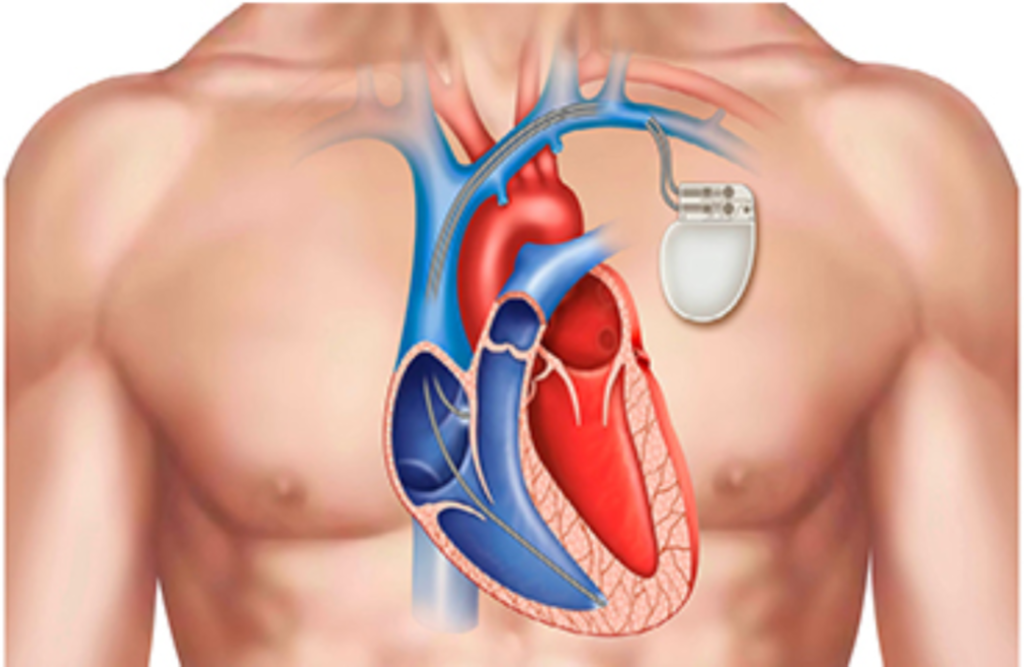
Who Needs a Pacemaker or ICD? An Interventional Cardiologist Explains Heart rhythm problems, also known as arrhythmias, can significantly affect a person’s quality of life – and in severe cases, may be life-threatening. Thankfully, medical science has developed highly effective devices like pacemakers and implantable cardioverter-defibrillators (ICDs) to help regulate abnormal heart rhythms. But who really needs these devices? What’s the difference between them? And how are they implanted? To answer these critical questions, we turn to Dr. A Sai Ravi Shanker, one of the most accomplished interventional cardiologists in India and currently serving as the HOD and Senior Consultant Cardiologist at Aster Prime Hospitals, Ameerpet, Hyderabad. With more than 20 years of experience and over 20,000 cath lab procedures to his name, Dr. Shanker is regarded as the Best Cardiologist in Hyderabad, especially for complex cardiac interventions like pacemaker and ICD implantations. Understanding Pacemakers and ICDs Both pacemakers and ICDs are small electronic devices implanted under the skin, typically near the collarbone, and connected to the heart with thin wires called leads. However, their functions differ: Pacemaker: Designed to keep the heart beating at a normal rate and rhythm, primarily used for bradycardia (slow heart rate) or heart block. ICD (Implantable Cardioverter Defibrillator): Monitors heart rhythm and delivers an electric shock if it detects a life-threatening arrhythmia such as ventricular tachycardia or ventricular fibrillation. Some patients may receive biventricular devices or dual-chamber ICDs, especially if they have heart failure or significant structural heart issues. Who Needs a Pacemaker? You may need a pacemaker if you suffer from: Bradycardia: A condition where your heart beats too slowly, leading to dizziness, fatigue, or fainting. Heart Block: A delay or complete block in the electrical signals that control heartbeats. Sick Sinus Syndrome: A malfunction in the heart’s natural pacemaker. Post-Cardiac Procedure Arrhythmias: Some patients develop rhythm disorders following heart surgeries or catheter interventions Dr. Sai Ravi Shanker, a renowned Interventional Cardiologist in Ameerpet, performs leadless pacemaker implantation, a cutting-edge technique that avoids traditional lead wires and offers quicker recovery with fewer complications. Who Needs an ICD? An ICD may be recommended for patients who are at high risk of sudden cardiac death due to: History of Cardiac Arrest or Ventricular Arrhythmias Severely Reduced Ejection Fraction (<35%)in Heart Failure Genetic Arrhythmia Syndromes like Long QT Syndrome or Brugada Syndrome Survivors of Sudden Cardiac Arrest ICDs are often life-saving for patients who have suffered from Acute Coronary Syndrome (ACS) or have other underlying heart muscle diseases. As part of Acute Coronary Syndrome (ACS) Treatment in Hyderabad patients are thoroughly evaluated for arrhythmia risks, and ICDs are advised when appropriate. Implantation and Recovery Both pacemaker and ICD implantation procedures are performed in a catheterization lab under local anesthesia. Patients usually go home within 24 – 48 hours and return to normal activities within a week or two. Follow-ups include device programming, battery checks, and occasional imaging to monitor lead placement. At Aster Prime Hospitals, Dr. Shanker and his team use advanced imaging techniques like IVUS/OCT to ensure precise placement and minimal risk. Their patient-centric approach ensures personalized care before, during, and after the procedure. Pacemakers and Aortic Conditions Patients with aortic valve disorders, aneurysms, or those undergoing structural interventions like TAVR (Transcatheter Aortic Valve Replacement) may sometimes require pacemakers due to damage or pressure on the heart’s electrical pathways. Dr. Shanker’s expertise in Aortic Aneurysms and Dissections Treatment in Hyderabad allows him to comprehensively assess and manage these complexities, ensuring both vascular and electrical heart functions are well cared for. Advances in Interventional Cardiology: A Combined Approach Dr. Sai Ravi Shanker is not just skilled in device implantation; he is a pioneer in combining interventional cardiology with structural and electrical heart therapies. From rotablation to ASD/PDA closures, his holistic approach ensures that patients get all-encompassing care under one roof. For patients seeking Aortic Aneurysms and Dissections Treatment in Hyderabad Aortic Aneurysms and Dissections Treatment in Hyderabad, timely diagnosis and interventions—whether endovascular or surgical – are vital. Sometimes, post-procedure arrhythmias can emerge, requiring pacemaker implantation. Dr. Shanker’s dual expertise ensures such transitions are seamless. Likewise, those undergoing Acute Coronary Syndrome (ACS) Treatment in Hyderabad often face the risk of arrhythmias post-stenting or heart muscle damage. Having access to a highly experienced interventional cardiologist who can manage both revascularization and rhythm correction can make a critical difference in outcomes Why Choose Dr. Sai Ravi Shanker? With credentials like FACC, FESC, and leadership positions in the Cardiology Society of India, Dr. Shanker stands at the forefront of advanced heart care. His deep understanding of electrophysiology, structural interventions, and critical cardiac emergencies make him the go-to expert for pacemaker and ICD implantation in Hyderabad. His publications, medical books, and dedication to clinical research reflect a commitment to not just treating heart diseases but advancing the field of cardiology itself. Conclusion Whether you’re dealing with a slow heartbeat, a life-threatening arrhythmia, or recovering from a major cardiac event, devices like pacemakers and ICDs offer new hope and extended life. Under the expert care of Dr. A Sai Ravi Shanker, patients in Hyderabad have access to world-class interventional cardiology solutions that are both safe and effective. If you or a loved one has been advised of a cardiac device or is undergoing Acute Coronary Syndrome (ACS) Treatment in Hyderabad or Aortic Aneurysms and Dissections Treatment in Hyderabad, book a consultation with Dr. Shanker to explore the best options tailored to your heart’s needs
