
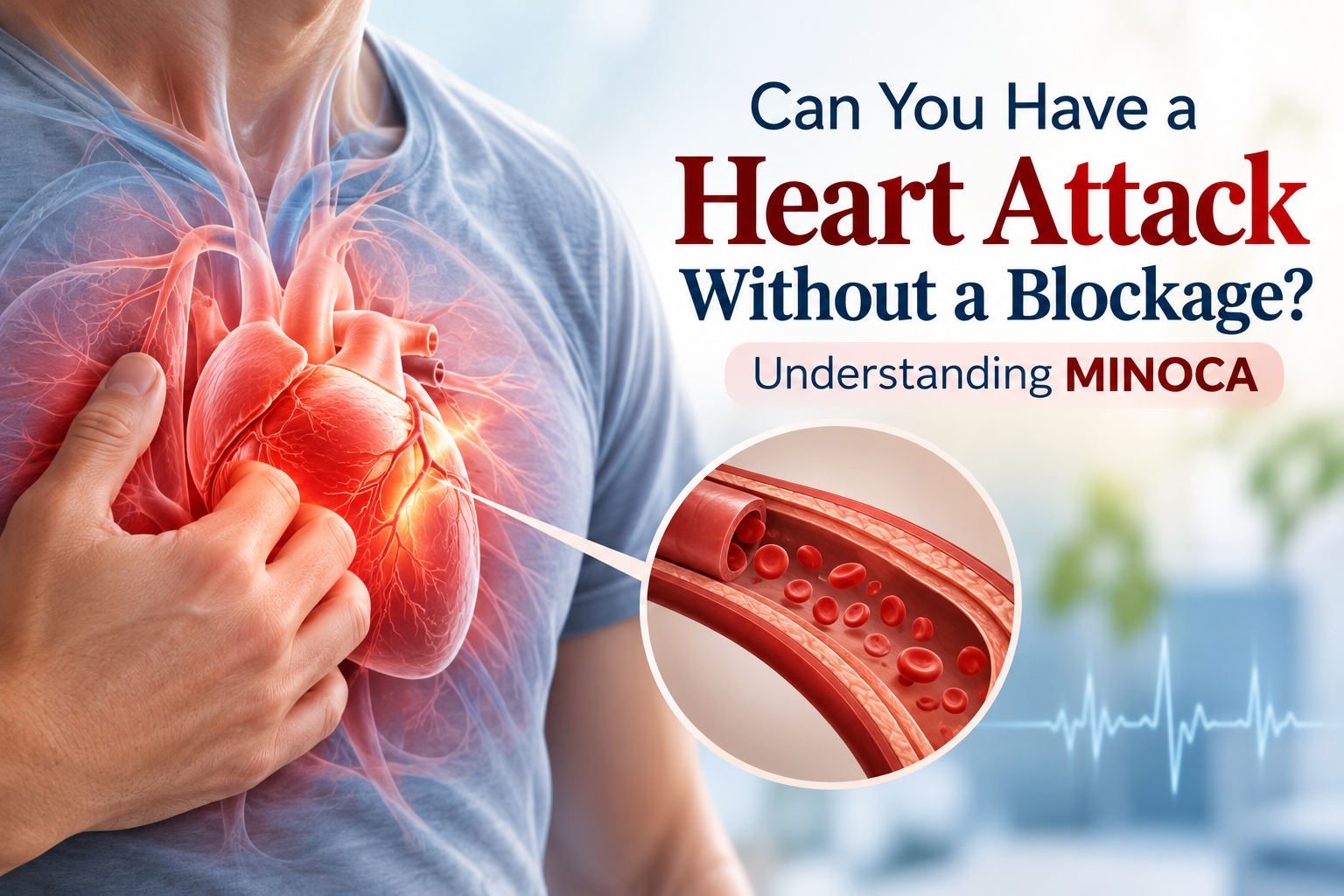
Preventive measures to avoid cardiac arrest at a youthful age Globally, heart conditions are now the primary cause of mortality and disability. The most concerning of them is unforeseen cardiac arrest, which can happen suddenly and within an hour of the onset of symptoms
It appears that indeed healthy people can succumb to this type of heart- related death, occasionally known as unforeseen cardiac death.” Both healthy individualities and those with developed, stable cardiac problems are at danger.
WHAT IS SUDDEN CARDIAC ARREST?
The unanticipated cessation of heart exertion brought on by an abnormal heart rhythm is known as sudden cardiac arrest. Breathing stops in this. This might be if deposits of cholesterol or other substances clog the cardiac arteries, decreasing the amount of blood that reaches the heart. Sudden cardiac arrest can do as a result of a heart attack.
RISING CASES AMONG young PEOPLE

In young people, unforeseen cardiac arrest isn’t unusual and is getting more frequent. Roughly 80% of incidents involve individuals who have coronary artery disease.” These individuals experience constriction or blockages if angiography, a medical imaging procedure that uses anX-ray to examine blood vessels, is performed. Still, the maturity don’t experience a heart attack, which is defined medically as an abrupt blockage of a coronary artery disease by heart muscle injury.
The majority of cases are substantially caused by irregular cardiac rhythms, similar as ventricular tachycardia and ventricular fibrillation, and aren’t connected to heart attacks.
STRATEGIES FOR Prevention
It’s advised to be aware of the troubles and take way to reduce them because young people are experiencing an increase in abrupt cardiac apprehensions. It’s critical to address coronary artery disease risk factors. This includes controlling diabetes, stopping smoking, managing hypertension which is the main cause), keeping an appropriate weight, engaging in regular physical exercise, and following a balanced diet. Since heart disease tends to go from an advanced risk in young adults to early mortality in middle age, prevention efforts should begin early in life.
Significance of Early Screening

Early and routine screening for heart complaints and its risk factors is the alternative preventive system. After the age of 40, screening should be done every three years, or sooner if there’s a family history or the case has high- risk factors. It may be important to undergo drug therapy, particularly for conditions like diabetes, high blood pressure, and high cholesterol. Those who are considered high- risk may indeed need to have a defibrillator implanted, which can save lives.
Cardiomyopathies, or conditions of the heart muscles, are a common cause of cardiac arrest in young people, particularly in their teens and twenties. thus, it’s advised that students and young adults in their 20s undergo routine screening, which includes clinical examination, electrocardiogram, and echocardiography.It is also possible to provide cascade screening, a methodical procedure for identifying members of a family who are susceptible to a hereditary disease.
Part of exercise Regular

Well-paced exercise is defensive, notwithstanding worries about risk associated with exercise. Athletes with abidance and high intensity might profit from routine wellbeing checks.
CPR training
Experts advise that prevention is the best course of action because cardiac apprehensions are fatal. Effective CPR can increase survival rates. Public awareness campaigns, automated external defibrillators in public spaces, and CPR training for the general public can significantly lower the prevalence of fatal cardiac apprehensions.
