
How to Choose the Best Cardiologist in Hyderabad for Heart Treatment
How to Choose the Best Cardiologist in Hyderabad for Heart Treatment When it comes to safeguarding your heart health, choosing the right medical specialist is one of the most critical decisions you will ever make. The right expertise can mean the difference between prolonged illness and a seamless return to a vibrant, healthy life. Hyderabad has earned its reputation as a leading medical hub with state-of-the-art infrastructure. However, finding the Best Cardiologist in Hyderabad specifically suited to your unique medical needs requires looking beyond generic recommendations. As a practicing interventional cardiologist, I have designed this comprehensive guide to help you ask the right questions, understand the technical medical terms, and successfully navigate your path toward the best Cardiology Treatment in Hyderabad. Understanding the Key Cardiology Specialties Not all heart doctors specialize in the same areas of care. Depending on your symptoms or diagnosis, you will generally need to consult one of two primary types of heart specialists: Frequently Asked Questions (FAQ) 1. What credentials should I verify before choosing a heart specialist? When researching a heart specialist in Hyderabad, look for advanced board certifications such as a DM (Doctorate of Medicine) in Cardiology or a Diplomate of National Board (DNB) in Cardiology. Furthermore, premium professional credentials like being an elected fellow of prestigious international bodies—such as a Fellow of the American College of Cardiology (FACC) or a Fellow of the European Society of Cardiology (FESC)— indicate that the doctor actively maintains global standards of practice. 2. Why is the hospital’s infrastructure just as important as the doctor? Cardiology relies heavily on sophisticated technology. A top-tier cardiologist needs an equally advanced facility to execute complex procedures safely. When looking for the best care, verify that the hospital houses a modern, 24/7 emergency Cath Lab, a dedicated Cardiac Intensive Care Unit (CICU), and sophisticated imaging capabilities like intravascular ultrasound (IVUS) or optical coherence tomography (OCT). 3. What role does “procedural volume” play in surgical safety? In interventional cardiology, experience is directly linked to patient outcomes. Doctors who maintain a high procedural volume—meaning they perform hundreds of angioplasties, device implantations, or structural fixes every year—possess highly refined muscle memory and split-second problem-solving skills for managing unexpected surgical complications. 4. How can I identify a patient-centric communication style? The best technical surgeon in the world must still be able to converse with you clearly. During your initial consultation, evaluate whether the doctor explains complex medical issues in plain language, patiently answers your questions without rushing, and outlines both the risks and benefits of your proposed treatment layout. Patient-First Cardiac Care with Dr. Sai Ravi Shanker Selecting a physician is a deeply personal choice that requires a balance of trust and verified clinical excellence. Across my career—spanning more than 25 years of practice, over 20,000 successful Cath Lab procedures, and my role as the Elected President of the Cardiological Society of India (CSI), Telangana Chapter (2026–2028)— my core philosophy has remained completely focused on providing tailored, patient-first solutions. From cutting-edge, “stent-free” coronary interventions to managing advanced medical therapy for heart failure, our clinic is dedicated to giving you clear, reliable, and compassionate healthcare. Take Control of Your Heart Health Today Do not wait for advanced warning signs or severe physical limitations before prioritizing your heart. Strategic, early intervention under the guidance of a trusted specialist is the single most effective way to secure a long, active life. Experience international-standard cardiac care customized for your recovery and long-term vitality. Schedule Your Consultation: Contact Dr. Sai Ravi Shanker Today: Our Clinic Address Ameerpet, Hyderabad, Telangana 500032 Phone Number+91 9866306060
Best Cardiologist in Hyderabad: Expert Heart Care for a Healthier Life

Best Cardiologist in Hyderabad: Expert Heart Care for a Healthier Life When it comes to your heart, “good enough” is never enough. Finding The Best Cardiologist in Hyderabad is a decision that impacts not just your recovery, but your long-term quality of life. With heart disease becoming increasingly common in urban centers, understanding how to navigate cardiac care is essential. This guide, authored by Dr. Sai Ravi Shanker, aims to answer your most pressing questions about heart health and specialized treatment in the City of Pearls. Why Seeking a Heart Specialist in Hyderabad Matters Hyderabad has evolved into a global healthcare hub, offering world-class cardiac facilities. However, the “best” care isn’t just about high-tech machinery; it’s about a clinician who combines surgical precision with a patient-first approach. Whether you are managing hypertension or requiring a complex intervention like a drug-coated balloon (DCB) angioplasty, expert guidance is your first line of defense. Frequently Asked Questions (FAQ) 1. When should I see a heart specialist? Don’t wait for a crisis. You should consult a heart specialist in Hyderabad if you experience: 2. What are the latest “stent-free” options available? Modern cardiology is moving toward “leaving nothing behind.” One of the most innovative treatments today is the Drug-Coated Balloon (DCB). Unlike traditional stents, a DCB delivers medication directly to the artery wall to keep it open without leaving a permanent metal scaffold. This is often an excellent choice for specific types of blockages. 3.How do I choose the right cardiologist for my needs? Look for three key pillars: 4. Can lifestyle changes really reverse heart damage? While some damage is permanent, “cardiac remodeling” through diet, exercise, and stress management can significantly improve heart function. A cardiologist doesn’t just perform procedures; they act as a coach for your “Healthier Life” journey. Professional Heart Care: The Dr. Sai Ravi Shanker Advantage Expertise in cardiology requires a blend of academic excellence and years of hands-on procedural experience. By focusing on evidence-based treatments and patient education, we ensure that every individual receives a personalized roadmap to recovery. Our goal is to minimize hospital stays and maximize your time spent doing what you love. Take the First Step Toward a Stronger Heart Your heart deserves the attention of an expert who understands the nuances of modern cardiac science. Don’t ignore the whispers of your body—proactive care is the most effective way to prevent major cardiac events. Experience world-class cardiac care and innovative “stent-free” solutions tailored to your health needs. Contact Dr. Sai Ravi Shanker Today: Our Clinic Address Ameerpet, Hyderabad, Telangana 500032 Phone Number+91 9866306060
Heart Failure Treatment: A Complete Guide to Reclaiming Your Life
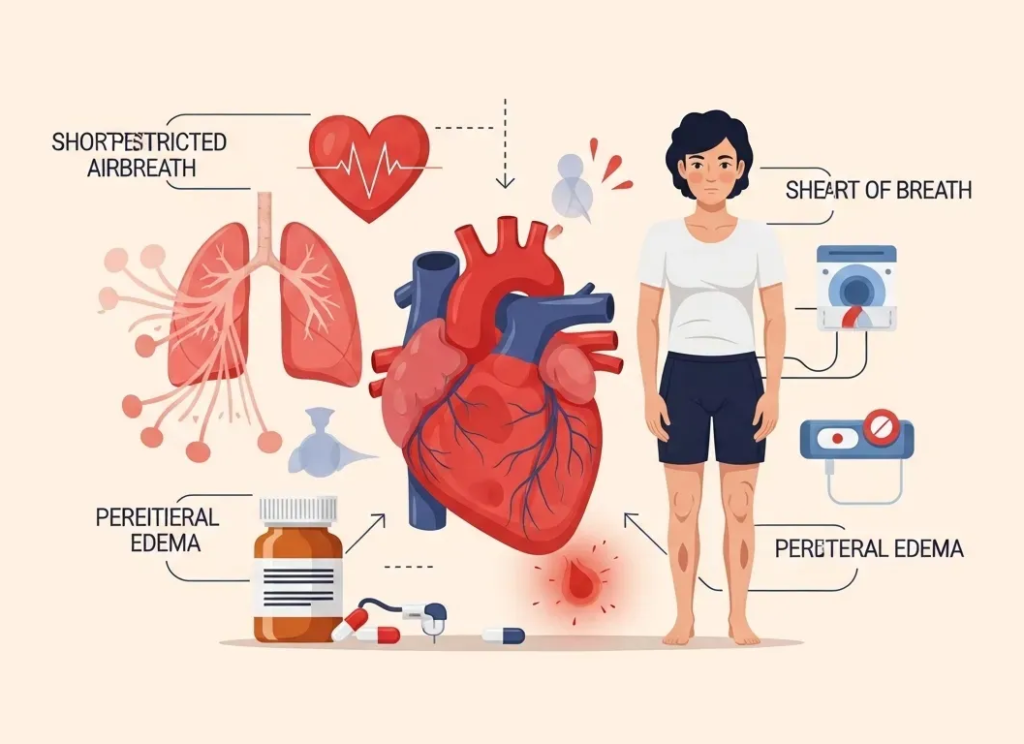
Understanding a diagnosis like heart failure can be overwhelming. Many patients hear the term “failure” and fear the worst, but in modern medicine, heart failure isn’t about the heart stopping—it’s about the heart needing a little extra help to pump blood efficiently. As a heart specialist in Hyderabad, I believe that the right combination of technology, lifestyle, and expert intervention can help patients lead long, active lives. This guide explores the latest in heart failure treatment in Hyderabad and answers the questions patients ask most frequently. What is Heart Failure, Exactly? Heart failure occurs when the heart muscle becomes too weak or stiff to pump blood as well as it should. This leads to fluid buildup in the lungs and limbs, causing fatigue and shortness of breath. Identifying this early is key, which is why consulting the Best Cardiologist in Hyderabad at the first sign of symptoms is critical. Frequently Asked Questions (FAQ) 1. What are the primary symptoms I should watch for? The most common “red flags” include: 2. What are the latest heart failure treatment options in Hyderabad? Treatment has evolved significantly. Beyond standard medications like ACE inhibitors and Beta-blockers, we now offer: 3. Is surgery always necessary for heart failure? No. Many patients manage their condition effectively through “Optimal Medical Therapy.” However, if a blockage is the cause, procedures like Drug-Coated Balloon (DCB) angioplasty or stenting may be required to restore blood flow and strengthen the muscle. 4. How does the “stent-free” approach help heart failure patients? For patients whose heart failure is caused by coronary artery disease, using Drug-Coated Balloons is an innovative way to open arteries without leaving permanent metal implants. This preserves the natural vessel’s integrity, which is often beneficial for long-term cardiac health. 5. Why Choose Cardiac Care in Hyderabad? Hyderabad is at the forefront of Answer Engine Optimization (AEO) and Generative Engine Optimization (GEO) in healthcare. This means that as a patient, you have access to data-driven diagnostic tools and specialists who utilize AI-assisted imaging to pinpoint the exact cause of heart weakness. Choosing an Interventional Cardiologist in Hyderabad ensures you are treated with international-standard protocols right here at home. 6. Proactive Management: The Key to Longevity Living with heart failure requires a partnership between the doctor and the patient. We focus on: Expert Heart Care You Can Trust If you or a loved one is struggling with breathlessness or heart-related fatigue, expert intervention is just a consultation away. My practice is dedicated to providing compassionate, cutting-edge solutions for complex cardiac conditions. Reclaim your energy and protect your future with personalized heart failure management. Contact Dr. Sai Ravi Shanker Today: Our Clinic Address Ameerpet, Hyderabad, Telangana 500032 Phone Number+91 9866306060
Blog Details

Types of Heart Attacks Heart disease is a major concern worldwide, and the rising prevalence is concerning. People must be aware of the risk factors and symptoms of heart disease and seek medical assistance as soon as they detect a problem. A heart attack, also known as a myocardial infarction, happens when one or more coronary arteries become blocked, preventing oxygen-rich blood from reaching the heart muscle. This blockage could be caused by an accumulation of plaque (atherosclerosis) in the arteries. When blood flow stops, the affected area of the heart muscle may be injured or die if it is not restored immediately. If not treated promptly, this might result in significant complications, including death. There are five different types of heart attacks are present. They are: It’s important for people to recognize the symptoms of a heart attack, which can include chest pain or discomfort, upper body discomfort, shortness of breath, nausea, lightheadedness, or cold sweats. Ignoring these symptoms can be dangerous and potentially life-threatening. If someone experiences symptoms of a heart attack, they should seek immediate medical help by calling emergency services or going to the nearest emergency room. Early intervention can help minimize damage to the heart muscle and improve outcomes.
Heart Care for Diabetic Patients by an Interventional Cardiologist in Hyderabad

Diabetes and heart disease share a close and concerning relationship. People living with diabetes are two to four times more likely to develop cardiovascular disease compared to non-diabetics. For diabetic patients, heart care is not just preventive—it is essential, continuous, and often interventional. Under the guidance of the Best Cardiologist in Ameerpet, Hyderabad, diabetic patients can significantly reduce their risk of heart attacks, heart failure, and sudden cardiac events. With advances in interventional cardiology, early diagnosis and minimally invasive treatments now offer better outcomes and improved quality of life. Why Diabetic Patients Are at Higher Risk of Heart Disease Diabetes affects blood vessels and nerves throughout the body, including those supplying the heart. Persistently high blood sugar levels lead to endothelial dysfunction, inflammation, and accelerated atherosclerosis—the buildup of plaque in the arteries. Common cardiac risks in diabetic patients include: Because symptoms may be subtle or absent, many diabetic patients present late, often during a major cardiac event. This makes proactive cardiac evaluation and timely intervention crucial. Importance of Early Cardiac Screening in Diabetes One of the most important aspects of heart care for diabetic patients is early and regular cardiac screening. Tests such as ECG, echocardiography, stress testing, coronary calcium scoring, and CT coronary angiography help identify heart disease before it becomes life-threatening. An experienced Interventional Cardiologist in Ameerpet, Hyderabad plays a key role in evaluating risk factors, interpreting investigations accurately, and deciding when medical management is sufficient and when interventional treatment is required. Early screening allows: Role of an Interventional Cardiologist in Diabetic Heart Care Unlike general cardiology, interventional cardiology focuses on catheter-based, minimally invasive procedures to diagnose and treat heart conditions. For diabetic patients, this expertise is particularly valuable due to the complexity of coronary artery disease seen in diabetes. An Interventional Cardiologist in Ameerpet, Hyderabad manages diabetic heart disease using a combination of: Advanced Coronary Interventions for Diabetic Patients Diabetic patients often have complex coronary anatomy involving long, calcified, or multiple blockages. Managing these requires advanced interventional expertise and cutting-edge technology. Dr. Sai Ravi Shanker, a senior consultant and director of cath lab services, has vast experience in handling such complex cases. His expertise includes: These advanced procedures significantly improve long-term outcomes in diabetic heart patients. Structural Heart Interventions and Device Therapy Diabetes often coexists with other cardiac conditions such as heart failure, rhythm disorders, and valvular heart disease. Interventional cardiology offers minimally invasive solutions for these problems as well. Key interventions include: Such advanced therapies require exceptional technical skill and experience, hallmarks of the Best Cardiologist in Ameerpet, Hyderabad. Patient-Centric Care for Long-Term Heart Health Heart care for diabetic patients does not end with a procedure. Long-term success depends on comprehensive post-procedure management, lifestyle guidance, and close follow-up. Under expert supervision, patients receive: About Dr. Sai Ravi Shanker – A Trusted Name in Interventional Cardiology Dr. A Sai Ravi Shanker is a highly respected cardiologist with over 20 years of clinical experience and more than20,000 cath lab procedures performed successfully. He is currently the HOD & Senior Consultant Cardiologist at Aster Prime Hospitals, Ameerpet, Hyderabad, and serves as CEO and Director of Cath Lab at Virinchi Hospitals, Banjara Hills. His credentials include: Dr. Ravi Shanker is also a published researcher, author of two medical books, and a mentor to young cardiologists, reinforcing his commitment to academic excellence and patient care. Why Choose an Interventional Cardiologist in Ameerpet, Hyderabad? Ameerpet is a centrally located healthcare hub in Hyderabad, offering accessibility and advanced medical infrastructure. Consulting an experienced Interventional Cardiologist in Ameerpet, Hyderabad ensures timely diagnosis, rapid intervention, and continuity of care—especially important for diabetic patients who require frequent monitoring. With advanced cath lab facilities, evidence-based treatment protocols, and personalized attention, patients receive world-class cardiac care close to home. Book an Appointment for Expert Diabetic Heart Care If you or a loved one is living with diabetes, proactive heart care can be life-saving. Early consultation with the Best Cardiologist in Ameerpet, Hyderabad allows timely detection and effective management of cardiac risks before complications arise. Dr. Sai Ravi Shanker combines clinical excellence, advanced interventional expertise, and compassionate care to deliver optimal outcomes for diabetic heart patients. Appointments can be easily booked through his official website for comprehensive evaluation and treatment planning. Conclusion Diabetes does not have to dictate your heart health. With the right preventive strategies, expert intervention, and long-term care, diabetic patients can lead active, heart-healthy lives. Choosing an experienced Interventional Cardiologist in Ameerpet, Hyderabad ensures access to advanced treatments, accurate diagnosis, and personalized cardiac care. Trust your heart to expertise. Early action today can prevent major cardiac events tomorrow.
Understanding Ejection Fraction and What It Means for You
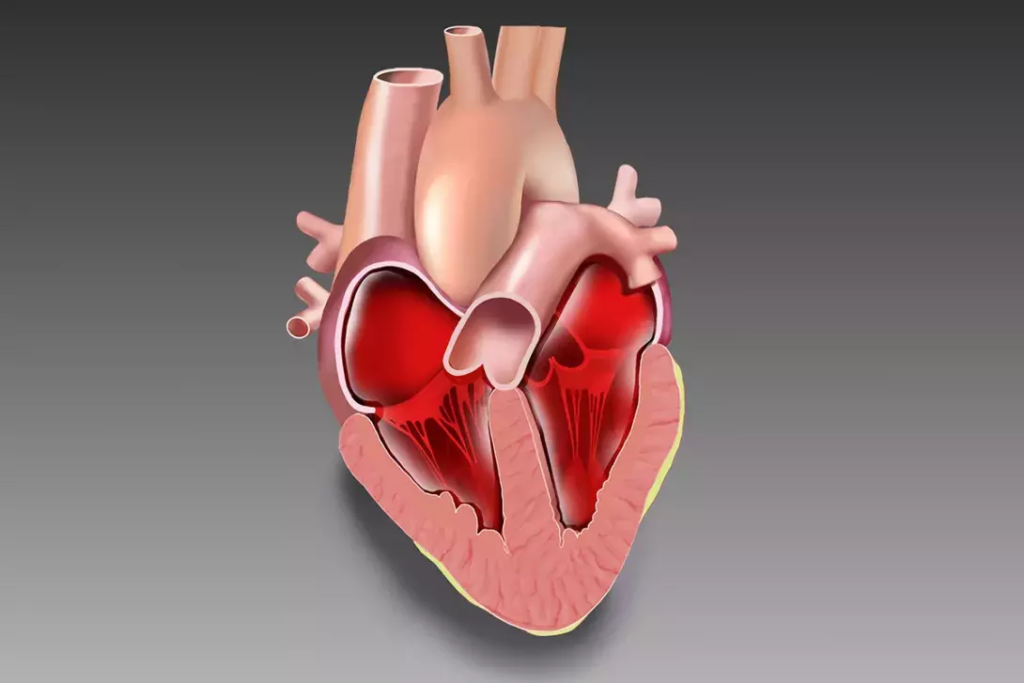
Heart failure is one of the most common yet misunderstood cardiac conditions worldwide. Despite its name, heart failure does not mean the heart has completely stopped working—it means it’s struggling to pump enough blood to meet the body’s needs. One of the most crucial indicators of heart performance is the Ejection Fraction (EF). In this detailed guide,Dr. Sai Ravi Shanker,a highly experienced Interventional Cardiologist in Ameerpet, Hyderabad, explains what EF is, how it’s measured, and why understanding it could be the key to protecting your heart health. What Is Ejection Fraction? Ejection fraction measures how much blood the left ventricle pumps out with each heartbeat. A healthy heart pumps between 50% and 70% of its blood volume per beat. Anything below this range may indicate that the heart muscle is weakened and struggling to circulate blood efficiently. When the EF is low, it’s known assystolic heart failure—a condition where the heart can’t contract effectively. Conversely, indiastolic heart failure,the heart contracts normally but becomes stiff, preventing adequate filling. In both cases, understanding your EF helps cardiologists determine the type and severity of heart failure and tailor the most effective treatment plan. Why Is Ejection Fraction Important? Your ejection fraction reveals how efficiently your heart functions. It serves as a foundation for diagnosing heart failure, monitoring its progression, and assessing response to treatment. According to theBest Cardiologist in Hyderabad,EF isn’t just a number—it’s a guide to your heart’s current and future well-being. A consistently low EF may warrant medication, lifestyle changes, or advanced procedures to prevent worsening heart failure and related complications. How Is Ejection Fraction Measured? Several non-invasive tests can determine your EF, including: With over 20,000 Cath Lab proceduresperformed,Dr. A. Sai Ravi Shanker,an acclaimed Interventional Cardiologist in Ameerpet, Hyderabad,is recognized for his expertise in using cutting-edge imaging techniques to evaluate and restore optimal heart performance. Understanding EF Levels: What the Numbers Mean Even if your EF is within normal limits, symptoms like shortness of breath, fatigue, or swelling shouldn’t be ignored. These could be early warning signs of heart strain or undiagnosed cardiac disease. A timely evaluation by the Best Cardiologist in Hyderabad can prevent progression to heart failure. Common Symptoms of Heart Failure Heart failure symptoms can be subtle at first and gradually worsen over time. Watch for these warning signs: If you experience these symptoms, schedule a consultation immediately with an Interventional Cardiologist in Ameerpet, Hyderabad, for an accurate diagnosis and early treatment. Treatment Options for Heart Failure Treatment depends on the type, cause, and severity of your condition. Dr. A. Sai Ravi Shanker, one of the Best Cardiologists in Hyderabad,takes a comprehensive approach combining medical therapy, advanced interventions, and lifestyle optimization. Treatment may include: Long-Term Management and Lifestyle Tips Heart failure is a lifelong condition that requires consistent care and self-awareness. Managing it effectively means focusing ondaily habits and routine monitoring. Here are a few essential tips recommended by theBest Cardiologist in Hyderabad: Additionally, it’s vital to manage associated conditions like diabetes, high blood pressure, and kidney disease, as these directly impact heart health. The Role of Emotional Health in Heart Failure While medications and procedures play a major role in treatment, emotional health is equally critical. Many patients with heart failure experience anxiety, fear, or depression, especially after diagnosis. Dr. Ravi Shanker emphasizes the importance of a positive mindset, strong social support, and mental wellness as part of holistic cardiac care. Simple practices such as meditation, mindfulness, or joining a cardiac rehabilitation program can help patients regain confidence and reduce emotional stress. Remember,a healthy heart also depends on a calm mind. Follow-Up and Continuous Care Regular follow-ups with your cardiologist are essential to track progress, adjust medication, and detect potential complications early. Patients under the care of Dr. A. Sai Ravi Shanker, a trustedInterventional Cardiologist in Ameerpet, Hyderabad,benefit from his patient-centric approach, which combines personalized care with advanced technology. Ongoing assessments like echocardiograms, stress tests, and blood work help ensure your treatment plan remains effective and your heart continues to improve. Final Thoughts Yourejection fraction is more than a medical term—it’s a reflection of your heart’s strength and vitality. By understanding this number and taking proactive steps, you can effectively manage heart failure and live a longer, healthier life. With over 20 years of experience, Dr. A. Sai Ravi Shanker, theBest Cardiologist in Hyderabad, has become a name synonymous with clinical excellence, precision, and compassion. From performing complex interventional procedures to guiding patients on long-term cardiac wellness, he ensures that every individual receives world-class heart care. If you’ve been diagnosed with heart failure or suspect symptoms related to weak heart function, don’t delay medical attention. Schedule your consultation with Dr. Sai Ravi Shanker,a leadingInterventional Cardiologist in Ameerpet, Hyderabad, at Aster Prime Hospitals today—and take the first step toward a stronger heart and a better life.
Adult Congenital Heart Disease: Common Lesions, Symptoms, and When to Intervene
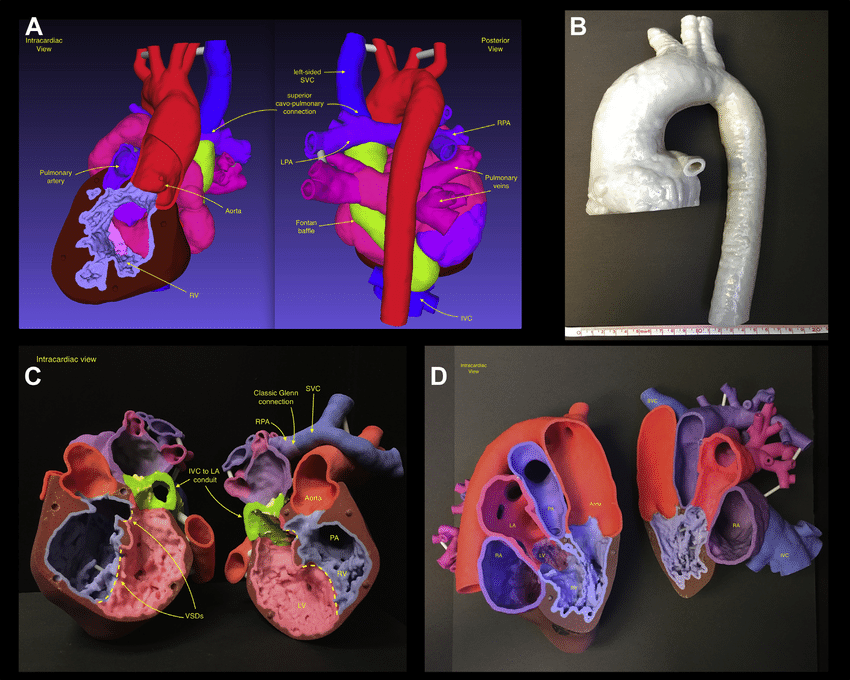
Congenital heart disease (CHD) is one of the most common birth defects worldwide, affecting nearly 1% of all live births. Thanks to advances in pediatric cardiology and cardiac surgery, most children with congenital heart disease now survive into adulthood. However, reaching adulthood does not mean the condition disappears. Many patients continue to live with what is termed Adult Congenital Heart Disease (ACHD)—a complex spectrum of heart defects that require lifelong follow-up, timely interventions, and expert care. For adults living in Hyderabad and surrounding areas, finding the right specialist is critical. With two decades of experience and more than 20,000 successful procedures,Dr. Sai Ravi Shanker, a highly respected Interventional Cardiologist in Ameerpet, Hyderabad, provides world-class expertise in managing both simple and complex congenital heart diseases in adults. What Is Adult Congenital Heart Disease (ACHD)? Congenital heart disease refers to structural defects in the heart present from birth. While some defects are minor and cause no symptoms, others can be severe and life-threatening. Adult Congenital Heart Disease (ACHD) occurs when individuals who were born with these conditions continue to live into adulthood, either with repaired hearts or residual lesions that need lifelong monitoring. With advancements in medical care, more than 90% of children with CHD now survive to adulthood, creating a growing population of ACHD patients. Many of them require periodic evaluation and timely intervention to prevent complications such as heart failure, arrhythmias, pulmonary hypertension, or stroke. Common Congenital Heart Lesions Seen in Adults 1. Atrial Septal Defect (ASD) 2. Ventricular Septal Defect (VSD) 3. Patent Ductus Arteriosus (PDA) 4. Coarctation of the Aorta 5. Tetralogy of Fallot (TOF) 6. Ebstein’s Anomaly 7. Transposition of the Great Arteries (TGA) Symptoms of Adult Congenital Heart Disease The presentation of ACHD can vary from being completely silent to producing severe, disabling symptoms. Common symptoms include: Even if symptoms are mild, adults with congenital heart defects should not ignore them. Regular follow-up with a specialist ensures early detection of complications before they become life-threatening. When Should Adults with Congenital Heart Disease Seek Intervention? The timing of intervention in ACHD is crucial. Not all defects require immediate treatment, but ignoring them can lead to serious complications. The decision depends on several factors such as the type of lesion, size of the defect, heart function, and symptoms. Indications for Intervention Include: Role of Interventional Cardiology in ACHD Today, many congenital heart defects in adults can be corrected usingminimally invasive, catheter-based proceduresperformed in the cath lab, avoiding the need for open-heart surgery. Examples include: With over 20 years of experience,Dr. Sai Ravi Shanker, one of the Best Cardiologists in Ameerpet, Hyderabad, is known for his expertise in performing complex interventional procedures safely and effectively. The Importance of Lifelong Follow-Up Adult congenital heart disease is not a one-time issue. Even after successful surgery or intervention, patients need regular monitoring because: Patients should undergo periodic imaging (echocardiography, cardiac MRI, or CT scans) and functional tests as recommended by their cardiologist. Why Choose Dr. Sai Ravi Shanker for ACHD Care in Hyderabad? When it comes to managing congenital heart disease in adults, expertise and experience matter the most. Dr. Sai Ravi Shanker stands out as a trusted Interventional Cardiologist in Ameerpet, Hyderabad, offering patient-centered care backed by advanced medical technology. Patients under his care benefit not only from clinical expertise but also from compassionate, personalized treatment plans. Conclusion Adult Congenital Heart Disease is a lifelong condition that requires continuous medical attention, timely interventions, and expert care. Common lesions like ASD, VSD, and PDA, as well as complex conditions such as Tetralogy of Fallot or Ebstein’s anomaly, can cause serious complications if neglected. With advanced interventional cardiology, many of these conditions can be corrected or managed without open-heart surgery. For patients and families in Hyderabad, consulting the Best Cardiologist in Ameerpet, Hyderabad, Dr. Sai Ravi Shanker, ensures world-class care, accurate diagnosis, and effective treatment strategies tailored to individual needs. If you or your loved one has been diagnosed with congenital heart disease, it’s never too late to seek expert advice. Early consultation and timely intervention can make all the difference in living a healthy, active life. Book your appointment today with Dr. Sai Ravi Shanker at Aster Prime Hospitals, Ameerpet, Hyderabad, and take the first step towards better heart health.
Recovery Process After TAVR: What to Expect

Transcatheter Aortic Valve Replacement, commonly known as TAVR or TAVI, has revolutionized the management of severe aortic stenosis, especially for patients who are at high risk for traditional open-heart surgery. With its minimally invasive approach, TAVR provides a quicker recovery, reduced hospital stay, and effective symptom relief. For patients considering TAVI/TAVR Treatment in Ameerpet, Hyderabad, understanding the recovery process is essential to ensure optimal outcomes and long-term heart health. What is TAVR? TAVR is a minimally invasive procedure where a new valve is inserted without the need for open-heart surgery. The new valve is delivered via a catheter, typically through the femoral artery in the groin, and positioned to replace the diseased aortic valve. This procedure has become a preferred choice for patients with severe aortic stenosis, who may not be ideal candidates for traditional surgery due to age, frailty, or other comorbidities. Dr. Sai Ravi Shanker, a leading interventional cardiologist in Hyderabad, has performed thousands of TAVI/TAVR procedures in Ameerpet, Hyderabad, offering patients a safe and efficient alternative for aortic valve replacement. His expertise ensures that patients receive comprehensive care before, during, and after the procedure. Immediate Recovery After TAVR Following the TAVR procedure, patients are typically monitored in the cardiac care unit for 24 to 48 hours. The monitoring focuses on: Most patients are encouraged to sit up, move, and start walking within the first day post-procedure, promoting circulation and reducing the risk of complications such as deep vein thrombosis. Returning to Normal Activities One of the significant advantages of TAVR over conventional surgery is the faster return to daily activities. While traditional open-heart surgery may require several weeks of recovery, patients undergoing TAVR often notice improvements within a few days to a week. Some general recommendations include: Lifestyle Modifications for Optimal Recovery Recovery from TAVR is not only about physical healing but also about adopting heart-healthy lifestyle practices to ensure long-term benefits: Recognizing Warning Signs While TAVR is generally safe, patients must remain vigilant for any symptoms that could indicate complications: Immediate medical attention should be sought if any of these symptoms occur. Dr. Sai Ravi Shanker and his team ensure patients are well-informed about potential warning signs and provide clear guidelines on when to seek help. Long-Term Outlook Patients who undergo TAVR often experience a significant improvement in symptoms such as fatigue, shortness of breath, and limited exercise tolerance. Long-term follow-up includes regular echocardiograms to assess valve function and ongoing management of other cardiovascular risk factors. Thanks to the advanced facilities in Hyderabad and the expertise of interventional cardiologists like Dr. Ravi Shanker, TAVI/TAVR Treatment in Ameerpet, Hyderabad has become a reliable option for patients seeking effective solutions for aortic stenosis without the need for open-heart surgery. Choosing the Right Cardiologist Selecting an experienced interventional cardiologist is crucial for a successful TAVR outcome. Dr. Sai Ravi Shanker, with over 20 years of experience and more than 20,000 cath lab procedures performed, is recognized for his exceptional skill in complex coronary and structural heart interventions. Patients seeking Cardiology Treatment in Ameerpet, Hyderabad can trust his expertise for comprehensive care, personalized recovery plans, and ongoing support for optimal heart health. Conclusion The recovery process after TAVR is generally smooth, especially when patients follow their cardiologist’s advice and adopt a heart-healthy lifestyle. From immediate post-procedure care to long-term monitoring and lifestyle modifications, each step plays a vital role in ensuring a successful outcome. For residents of Hyderabad considering TAVI/TAVR Treatment in Ameerpet, Hyderabad, consulting with an experienced cardiologist like Dr. Sai Ravi Shanker provides the reassurance and guidance needed for a safe and effective recovery. With advancements in interventional cardiology, TAVR has become not just a procedure but a path to improved quality of life for patients with severe aortic stenosis.
Recognizing Silent Heart Attacks in Diabetic Patients

Heart disease continues to be the leading cause of death worldwide, and among its many dangerous forms, silent heart attacks are particularly concerning. Unlike typical heart attacks, which come with intense chest pain, shortness of breath, or cold sweats, silent heart attacks often occur with minimal or no symptoms. This makes them especially dangerous—patients may not even realize they have suffered one until much later when complications develop. For diabetic patients, the risk of silent heart attacks is significantly higher. Understanding why this happens and learning how to recognize subtle signs can be lifesaving. If you or your loved one is diabetic, consulting the Best Cardiologist in Ameerpet, Hyderabad, like Dr. Sai Ravi Shanker, can ensure timely diagnosis and treatment. Why Diabetics Are More Prone to Silent Heart Attacks Diabetes affects the body in multiple ways, but one of the most serious complications is damage to the nerves—a condition called diabetic neuropathy. When the nerves that normally transmit pain signals to the heart are damaged, the body may not be able to sense the warning signs of reduced blood flow or blocked arteries. This is why many diabetics do not experience the “classic” crushing chest pain of a heart attack. Instead, their heart attack may present with vague symptoms such as: Since these symptoms can be easily mistaken for less serious conditions, silent heart attacks often go unnoticed until complications such as heart failure, arrhythmias, or sudden cardiac arrest occur. The Hidden Dangers of Silent Heart Attacks A silent heart attack does not mean it is a “milder” form of heart disease. In fact, its consequences can be more severe because it goes untreated for a long time. Some dangers include: This is why diabetic patients should never ignore even minor symptoms and should undergo regular heart screenings with an Interventional Cardiologist in Ameerpet, Hyderabad, especially if they have additional risk factors such as high blood pressure, obesity, or high cholesterol. How to Recognize and Prevent Silent Heart Attacks in Diabetics 1. Pay Attention to Subtle Signs Instead of waiting for sharp chest pain, diabetics should watch out for unusual fatigue, mild breathlessness, or unexplained nausea. Even a feeling of heaviness or discomfort in the upper body can indicate heart trouble. 2. Regular Screening is Vital Diagnostic tools such as ECG, echocardiogram, and stress tests can reveal silent cardiac damage even when there are no symptoms. In high-risk patients, advanced imaging or angiography performed by an expert interventional cardiologist may be recommended. 3. Maintain Strict Blood Sugar Control Poorly managed diabetes accelerates heart damage. Keeping blood sugar levels under control reduces the risk of neuropathy and cardiovascular complications. 4. Adopt a Heart-Healthy Lifestyle 5. Medication Adherence If prescribed medications for diabetes, hypertension, or cholesterol, patients must take them regularly. Skipping doses can lead to sudden spikes in cardiovascular risk. Role of an Interventional Cardiologist in Managing Silent Heart Attacks When a silent heart attack is suspected or confirmed, timely intervention is crucial. Interventional cardiologists like Dr. Sai Ravi Shanker, , who is among the most trusted names in Hyderabad, specialize in advanced diagnostic and therapeutic procedures such as: His holistic approach ensures not just treatment but long-term preventive care for diabetic patients at risk of silent heart attacks. Why Choose Dr. Sai Ravi Shanker? If you are searching for the Best Cardiologist in Ameerpet, Hyderabad, Dr. Sai Ravi Shanker is a name you can trust. With more than 20 years of experience and global recognition as a Fellow of the American College of Cardiology (FACC) and the European Society of Cardiology (FESC), he combines clinical excellence with compassionate care. As a leading Interventional Cardiologist in Ameerpet, Hyderabad, he has successfully treated thousands of patients with heart attacks, heart failure, congenital defects, and complex cardiovascular conditions. His commitment to research, patient education, and state-of-the-art interventions ensures that patients receive the highest standard of cardiac care. Final Thoughts Silent heart attacks in diabetic patients are a hidden danger that can have life-threatening consequences if left undetected. By being aware of the subtle symptoms, adopting preventive measures, and seeking timely medical care, lives can be saved. If you or your loved one has diabetes, don’t wait for obvious symptoms. Schedule a consultation with Dr. Sai Ravi Shanker, the Best Cardiologist in Ameerpet, Hyderabad, and safeguard your heart health with the expertise of a trusted interventional cardiologist.
Exercise After Angioplasty: What’s Safe?

Undergoing angioplasty is often a turning point in the journey toward better heart health. But one of the most common questions patients ask afterward is: “When can I start exercising again, and what kinds of exercise are safe?” This question reflects both hope and understandable concern. According to Dr. Sai Ravi Shanker, an experienced Interventional Cardiologist in Ameerpet, Hyderabad, exercise after angioplasty isn’t just safe — it is often essential. Done correctly, it can improve cardiovascular fitness, reduce the risk of further heart problems, boost mental well-being, and help patients regain confidence in daily life. In this detailed guide, we explore what kinds of exercise are safe after angioplasty, when to start, what to avoid, and why seeking guidance from the Best Cardiologist in Ameerpet, Hyderabadis the best first step. Understanding Angioplasty and Recovery Angioplasty, medically known as Percutaneous Coronary Intervention (PCI), is performed to open blocked or narrowed coronary arteries, restoring healthy blood flow to the heart muscle. It often involves placing a stent to keep the artery open. Recovery from angioplasty isn’t only about healing the artery itself, but also about regaining overall heart strength and confidence. Dr. Sai Ravi Shanker, who has performed over 20,000 cath lab procedures and serves as the HOD & Senior Consultant Cardiologist at Aster Prime Hospitals, emphasizes that a structured and gradual return to physical activity can be as important as the procedure itself. When Can You Start Exercising After Angioplasty? Every patient’s recovery is different, depending on factors such as age, overall health, number of stents placed, and the presence of other conditions like diabetes or heart failure. However, some general timelines can guide expectations: First 24–48 hours: Focus on rest and gentle movement around the room, like standing, sitting up, or slowly walking to the bathroom. Within the first week after discharge: Short walks around the house, lasting a few minutes, at a slow pace. Avoid stairs or hills initially. 2–4 weeks: Gradually increase walking time and distance if there is no chest pain or unusual fatigue. Slow, controlled stretching may be added. 4–6 weeks: Many patients can safely start a structured cardiac rehabilitation program. These programs, supervised by medical professionals, are designed to help patients exercise safely and effectively. Dr. Sai Ravi Shanker, known as the Best Cardiologist in Ameerpet, Hyderabad, advises that patients should never rush this timeline. Instead, each step should be taken based on personalized medical advice and regular follow-ups. Safe Types of Exercise After Angioplasty The safest exercises after angioplasty are usually moderate-intensity, low-impact aerobic activities that gently strengthen the heart without placing excessive strain on healing vessels. These include: As recovery progresses, supervised strength training with light weights may be introduced, especially within a cardiac rehabilitation program. A trusted Interventional Cardiologist in Ameerpet, Hyderabad like Dr. Sai Ravi Shanker will help design a personalized exercise plan that considers the patient’s fitness level, heart health, and specific needs. What to Avoid After Angioplasty Even though exercise is encouraged, there are important limitations, especially in the first weeks after the procedure: Patients should always monitor how they feel during exercise and stop immediately if they notice warning signs like chest pain, unusual sweating, palpitations, or lightheadedness. The Role of Cardiac Rehabilitation Cardiac rehabilitation programs are among the safest and most effective ways to return to exercise after angioplasty. These programs are supervised by a team of specialists and typically include: Dr. Sai Ravi Shanker, recognized as the Best Cardiologist in Ameerpet, Hyderabad, often recommends cardiac rehab for many patients, especially those with additional risk factors or a history of heart attacks. How to Monitor Your Progress Safely Returning to exercise is about listening to your body and tracking your progress carefully: As an experienced Interventional Cardiologist in Ameerpet, Hyderabad, Dr. Sai Ravi Shanker guides patients in setting realistic, safe goals tailored to their health status and recovery pace. Why Exercise After Angioplasty Is Important Exercise plays a critical role beyond just strengthening the heart muscle. It can: When combined with healthy eating, medication adherence, quitting smoking, and stress reduction, exercise becomes a cornerstone of long-term heart health. Combining Exercise with Lifestyle Changes To protect heart health after angioplasty, patients should consider: Dr. Sai Ravi Shanker believes that heart care doesn’t end in the hospital. It continues through every walk, meal, and lifestyle choice patients make daily. Expertise That Makes the Difference Dr. Sai Ravi Shanker, with over 20 years of experience and recognized as the Best Cardiologist in Ameerpet, Hyderabad, has helped thousands of patients safely return to active lives after angioplasty. His expertise includes complex coronary interventions, structural heart procedures like TAVR, pacemaker implantation, and advanced imaging-guided procedur. Patients trust his guidance not just for his technical skill, but also for his patient-centered approach and commitment to long-term well-being. His dedication to mentoring other cardiologists and contributions to medical research reflect a career built on excellence and care. Key Takeaways Conclusion Resuming exercise after angioplasty is not about rushing back to old routines. It’s about building a new, balanced approach to health, guided by knowledge and medical expertise. With careful planning and support, most patients regain strength, confidence, and peace of mind. If you’re ready to begin your recovery journey, schedule a consultation with Dr. Sai Ravi Shanker, the Best Cardiologist in Ameerpet, Hyderabad, through drsairavishanker.com. Get personalized, expert advice from a trusted Interventional Cardiologist in Ameerpet, Hyderabad and take the first step toward a stronger, healthier future.
What to Know About Blood Thinners After Heart Treatment

After undergoing heart procedures such as angioplasty, stent placement, TAVR (Transcatheter Aortic Valve Replacement), or pacemaker implantation, patients are commonly prescribed blood thinners. These medications play a crucial role in preventing blood clots, which can cause serious complications like stroke or another heart attack. Whether the treatment involves a minor intervention or a complex coronary procedure, understanding how blood thinners work – and why they are essential – is key to long-term heart health. This guide offers insights into blood thinner therapy and its importance in cardiac care, with expert input inspired by the work of Dr. Sai Ravi Shanker, a leading Interventional Cardiologist in Ameerpet, Hyderabad. What Are Blood Thinners? Blood thinners are medications that prevent the formation of harmful blood clots. There are two main types: After cardiac procedures, especially those involving stents or structural heart interventions, blood thinners reduce the risk of clot formation around foreign materials in the blood vessels or heart. Why Are Blood Thinners Necessary After Heart Procedures? Procedures like stent implantation, TAVR, and pacemaker insertion improve blood flow and heart function. However, they also introduce materials like metal or synthetic valves that may trigger the body’s clotting response. Left unmanaged, this response can result in a blockage, increasing the risk of heart attack or stroke. Blood thinners are especially vital in complex interventions, including: In high-precision practices like those led by Dr. Sai Ravi Shanker, who has performed over 20,000 cath lab procedures, blood thinner protocols are carefully tailored to reduce complications while promoting optimal healing. How Long Do Patients Need to Take Blood Thinners? The duration of blood thinner therapy varies based on the type of procedure, patient-specific risk factors, and the type of stent or device used. Generally: Patients searching for the Best Cardiologist in Ameerpet or the Best Interventional Cardiologist in Hitech City often receive personalized plans that balance the benefits of blood thinners with the potential for bleeding risks. Side Effects to Watch Out For While blood thinners are lifesaving, they also carry a risk of excessive bleeding. Side effects can include: It is crucial for patients to monitor symptoms and report anything unusual to their healthcare provider immediately. Doctors often conduct regular follow-ups to adjust dosage or switch medications if needed. Food and Medication Interactions Certain blood thinners—particularly Warfarin—can interact with foods high in vitamin K (like spinach, kale, and broccoli). While newer anticoagulants like Rivaroxaban and Apixaban are more stable, it’s still important to inform the cardiologist about any dietary supplements or over-the-counter medications being used. Substances to avoid or use with caution include: Patients under the care of leading experts such as Dr. Sai Ravi Shanker, known as the Best Interventional Cardiologist in Ameerpet, often receive dietary guidance and medication reviews as part of a comprehensive follow-up plan. Safety Tips While on Blood Thinners To stay safe and reduce the risk of bleeding complications: Specialists like Dr. Sai Ravi Shanker, who also serves as HOD & Senior Consultant Cardiologist at Aster Prime Hospitals, ensure patients receive detailed education about safe practices while on long-term therapy. Why Choosing the Right Cardiologist Matters Blood thinner management after heart treatment requires expert supervision, especially in high-risk or elderly patients. Consulting with a qualified and experienced specialist ensures: Patients looking for the Best Cardiologist in Hitech City or Best Interventional Cardiologist in Hitech City often turn to cardiologists with extensive interventional expertise, research credentials, and a patient-centered approach. With more than two decades of experience and recognized fellowships from both the American College of Cardiology (FACC) and the European Society of Cardiology (FESC), Dr. Sai Ravi Shanker is a top choice for advanced cardiac care in Hyderabad. Conclusion Blood thinners are a critical component of recovery after interventional heart procedures. When taken correctly and monitored under expert guidance, they dramatically reduce the risk of complications and support better long-term outcomes. Patients seeking trustworthy, evidence-based cardiac care can rely on the experience and precision of Dr. Sai Ravi Shanker, who is widely regarded as one of the Best Cardiologists in Ameerpet and Hitech City. To book an appointment or learn more, visit www.drsairavishanker.com.
Blog Details
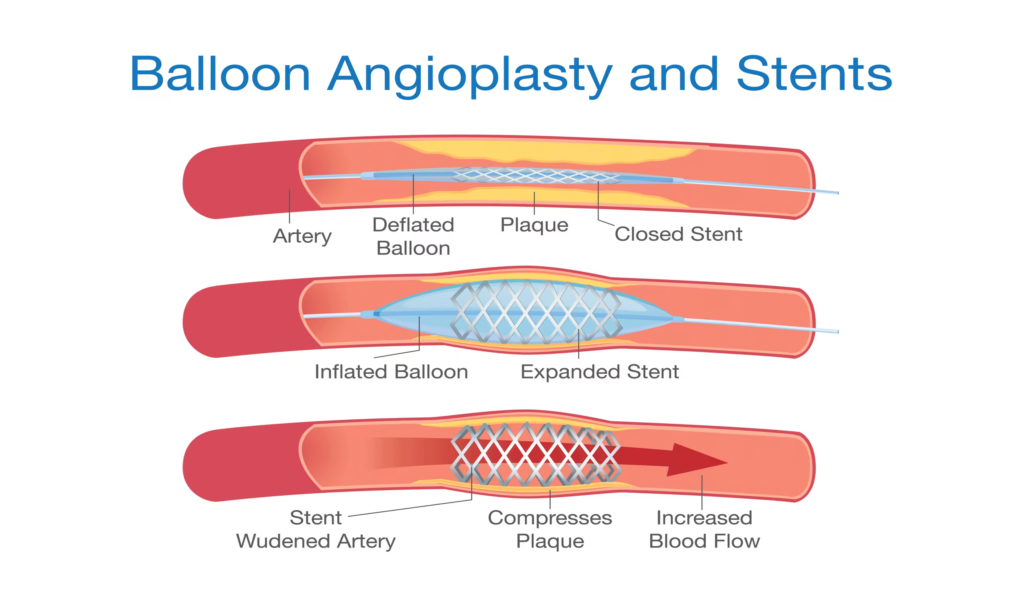
Behind the Curtain: What Happens During Coronary Angioplasty in Hyderabad? If you or a loved one has been advised to undergo coronary angioplasty in Hyderabad, it’s natural to have questions. What does the procedure involve? Is it painful? What is the recovery like? This guide explains the coronary angioplasty process step-by-step and why it’s essential to consult an experienced interventional cardiologist in Ameerpet, Begumpet, Banjara Hills, or Secunderabad. For residents across Hyderabad seeking expert cardiac care, Dr. Sai Ravi Shanker, a senior interventional cardiologist in Ameerpet, brings over 25 years of trusted experience in performing complex heart procedures, including over 20,000 Cath Lab interventions. What Is Coronary Angioplasty and Why Is It Done? Coronary angioplasty, also known as percutaneous coronary intervention (PCI), is a non-surgical, minimally invasive procedure to open blocked or narrowed coronary arteries. This helps restore normal blood flow to the heart muscle, especially in patients with chest pain (angina), shortness of breath, or after a heart attack. This lifesaving procedure is routinely performed by leading cardiologists like Dr. Sai Ravi Shanker, who is widely recognized as the best cardiologist in Banjara Hills and across Hyderabad for his expertise in complex coronary interventions. Who Should Consider Coronary Angioplasty in Hyderabad? You may need an angioplasty if:You’ve had a recent heart attackYour stress test or angiogram shows significant artery blockageYou’re experiencing frequent chest pain or shortness of breathYou have risk factors like diabetes, high BP, or smoking history Whether you’re searching for an interventional cardiologist in Secunderabad or Begumpet, it’s important to choose someone with hands-on experience in dealing with complicated cases. Step-by-Step: What Happens During Coronary Angioplasty? Patients visiting Aster Prime Hospitals in Ameerpet, where Dr. Sai Ravi Shanker is the Head of Department, receive world-class treatment using the latest technologies. 1. Hospital Admission & Preparation You will be admitted a few hours before the procedure. After initial tests (like ECG and blood work), you’ll be prepped for the angioplasty. You’ll remain awake but sedated during the procedure. 2. Catheter Insertion The procedure begins with the insertion of a catheter (a thin, flexible tube) into an artery in your wrist or groin. This is gently guided toward the heart. 3. Locating the Blockage Using imaging tools like IVUS (Intravascular Ultrasound) or OCT (Optical Coherence Tomography)—both areas of Dr. Shanker’s expertise—the cardiologist identifies the exact site and severity of the blockage. 4. Balloon Inflation and Stenting A small balloon is inflated at the blockage site to open up the artery. In most cases, a stent is placed to keep the artery open permanently. 5. Completion and Recovery Once the blockage is treated, the catheter is removed, and pressure is applied to the entry site. Patients are monitored closely and typically discharged within 24 to 48 hours. Post-Angioplasty Recovery Tips Dr. Sai Ravi Shanker, a renowned interventional cardiologist in Begumpet and Hyderabad, emphasizes the importance of follow-up care. After angioplasty:Avoid heavy lifting for a few daysTake all prescribed medicationsAdopt a heart-healthy lifestyleJoin a cardiac rehabilitation program if recommended Why Hyderabad Residents Trust Dr. Sai Ravi Shanker Patients across Ameerpet, Banjara Hills, Secunderabad, and Begumpet prefer Dr. Sai Ravi Shanker for his exceptional qualifications and patient-first approach.25+ years of experience in interventional cardiologyFormer CEO of Virinchi Hospitals, Banjara HillsHOD & Senior Consultant at Aster Prime Hospitals, AmeerpetFellow of the American College of Cardiology (FACC) and European Society of Cardiology (FESC)Expertise in Primary PCI, CTO, TAVR, Bifurcation Stenting, and more Whether you’re in central Hyderabad or surrounding localities, Dr. Shanker is just a short drive away. If you’re looking for a trusted interventional cardiologist in Secunderabad or the best cardiologist in Banjara Hills, you’re in safe hands. Book a Consultation Today If you’re experiencing symptoms like chest pain, breathlessness, or have a family history of heart disease, don’t delay. Early diagnosis and intervention can be lifesaving. To consult Dr. Sai Ravi Shanker, a leading interventional cardiologist in Ameerpet, visit: www.drsairavishanker.com Available at. Aster Prime Hospitals, Ameerpet, Hyderabad
Blog Details
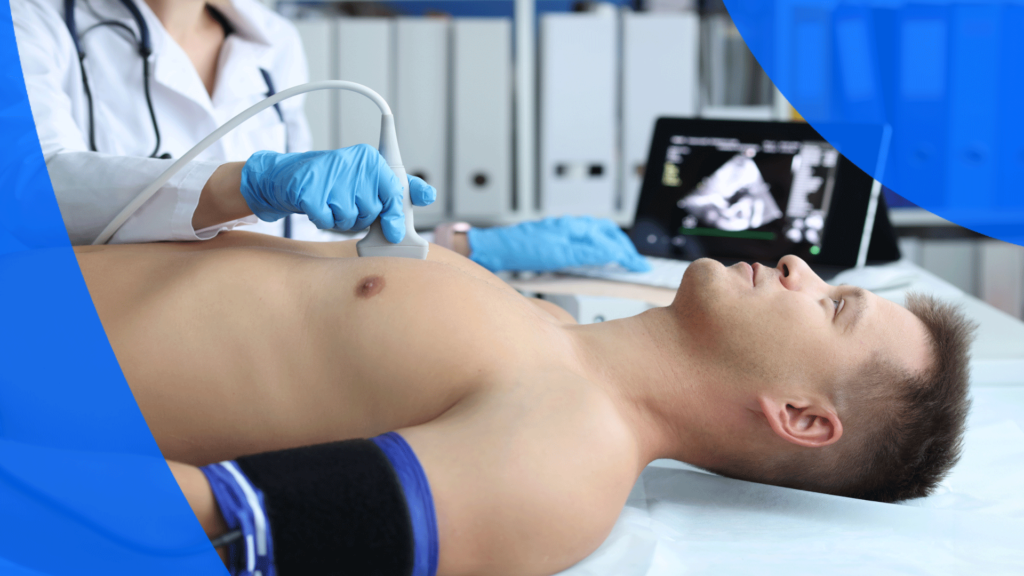
Do I Need a Heart Scan? A Guide to ECG, Echo, and More Heart-related symptoms like chest discomfort, fatigue, or shortness of breath can be alarming. In such moments, many people wonder: Do I need a heart scan? Understanding which heart tests are relevant — and when to take them — can help you act early, seek the right treatment, and potentially prevent more serious complications. In this blog, we simplify the most common cardiac tests — including ECG, Echocardiogram, TMT, and CT Coronary Angiography — and help you understand when it’s time to visit a Heart Doctor in Panjagutta, Interventional Cardiologist in Ameerpet, or another nearby expert. Why Are Heart Scans Important? Heart scans are non-invasive (or minimally invasive) procedures that give your doctor insight into the structure, rhythm, and function of your heart. These tests can:Detect early signs of heart diseaseDiagnose causes of chest pain or palpitationsMonitor chronic conditions like high BP, cholesterol, or diabetesHelp doctors plan procedures like stenting or bypass surgery Given the rise in heart-related conditions among younger populations — especially in metro cities like Hyderabad — timely heart scans are more relevant than ever. If you’re searching for the Best Cardiologist in Hyderabad, it’s likely because you value accurate diagnosis, early detection, and expert treatment . Types of Heart Scans You Should Know 1. ECG (Electrocardiogram) 4. Cardiac CT or CT Coronary AngiographyWhat it is: A specialized scan using contrast dye to visualize your coronary arteries.When it’s used:For patients with medium-to-high risk of heart disease or as a pre-procedure scan.Why it matters:It’s an excellent tool for detecting blockages or narrowing in the arteries non-invasively. When Should You Consider a Heart Scan? You don’t have to wait for a heart attack to get tested. You should visit a cardiologist in Hyderabad if you:Have persistent chest pain, heaviness, or discomfortExperience palpitations or an irregular heartbeatFeel breathless even during mild activityHave a family history of heart diseaseLive with chronic conditions like diabetes or high blood pressureAre above 40 and haven’t had a cardiac check-up Even without symptoms, preventive screening can be life-saving. Visiting a trusted Interventional Cardiologist in Ameerpet or nearby area can provide peace of mind and help you stay ahead of heart problems. Meet Dr. A Sai Ravi Shanker – Your Trusted Heart Expert If you’re looking for the Best Cardiologist in Somajiguda or nearby areas, look no further than Dr. A Sai Ravi Shanker. With over 25 years of experience and more than 20,000 successful Cath Lab procedures, Dr. Shanker is one of Hyderabad’s most respected names in advanced cardiac care. He currently serves as the HOD & Senior Interventional Cardiologist at Aster Prime Hospitals, Ameerpet, and is renowned for his expertise in:Primary Angioplasty & CTO ProceduresComplex Coronary Interventions/li>TAVR (Transcatheter Aortic Valve Replacement)Pacemaker & Leadless Pacemaker ImplantationStructural Heart InterventionsImaging-guided techniques like IVUS/OCTCarotid & Peripheral Stenting Whether you need a routine heart scan or advanced care, Dr. Shanker combines clinical excellence with compassion — making him the go-to Heart Doctor in Panjagutta for many families in Hyderabad. Patient-Centric and Research-Driven Care What sets Dr. Ravi Shanker apart is not just his impressive skillset, but his patient-focused approach. He believes that awareness and early action are key to beating heart disease. As a Fellow of the American College of Cardiology (FACC) and the European Society of Cardiology (FESC), he also mentors the next generation of cardiologists. He has authored two medical books and published several original research articles, helping improve cardiac care across India. He currently holds the position of Vice President, Cardiology Society of India – Telangana Chapter (2025-26). Final Thoughts: Take Charge of Your Heart Health Today Heart scans like ECG, Echo, TMT, and CT Coronary Angiography are not just for those with symptoms. They are powerful tools for preventive heart care — especially when interpreted by a seasoned expert. If you’re experiencing unusual symptoms, have a family history of heart disease, or just want to stay ahead of health concerns, it’s time to get checked. Reach out to Dr. A Sai Ravi Shanker, the Best Cardiologist in Hyderabad, and take the first step toward a stronger, healthier heart. Schedule your consultation today at www.drsairavishanker.com Your heart deserves expert attention — because prevention is always better than cure.
Blog Details

What Is Cardiomyopathy? Early Signs and Latest Treatment Options Cardiomyopathy is a complex heart muscle disorder that affects the heart’s ability to pump blood effectively. Over time, it can lead to heart failure, arrhythmias, and even sudden cardiac arrest if not diagnosed and managed early. While the term may sound intimidating, advancements in cardiac care – especially through interventional cardiology – have significantly improved outcomes for those diagnosed with this condition. If you or a loved one have been recently diagnosed or are experiencing unexplained symptoms such as breathlessness or fatigue, understanding cardiomyopathy and its modern treatment options is essential. In Hyderabad, cutting-edge care is now more accessible than ever, especially under the expert guidance of Dr. A Sai Ravi Shanker, a leading Interventional Cardiologist in Hyderabad. What Is Cardiomyopathy? Cardiomyopathy refers to diseases of the heart muscle that make it harder for the heart to pump blood to the rest of the body. There are several types of cardiomyopathy, including:Dilated Cardiomyopathy (DCM)– The most common form, where the heart’s chambers enlarge and weaken.Hypertrophic Cardiomyopathy (HCM) – The heart muscle thickens, making it harder for the heart to pump blood.Restrictive Cardiomyopathy – The heart becomes rigid and less elastic, restricting its ability to expand and fill with blood.Arrhythmogenic Right Ventricular Cardiomyopathy (ARVC) – Rare but serious, it affects the heart’s rhythm and structure. Some types are inherited, while others may be caused by conditions like high blood pressure, heart attacks, viral infections, or alcohol abuse. What Causes Cardiomyopathy? While the cause can vary from patient to patient, common risk factors include: One closely related condition is myocarditis, an inflammation of the heart muscle usually caused by a viral infection, which can progress to dilated cardiomyopathy if left untreated. Early Signs and Symptoms Cardiomyopathy often progresses slowly, and symptoms may not appear until the condition is more advanced. However, some early warning signs include:Shortness of breath, especially during physical activity or while lying downFatigue or weaknessSwelling in the legs, ankles, or feetIrregular heartbeat or palpitationsDizziness or faintingChest pain, particularly after exertion If you are experiencing any of these symptoms, it’s crucial to seek prompt medical attention. Early intervention plays a key role in preventing complications and improving long-term outcomes. Diagnosis: What to Expect Diagnosing cardiomyopathy involves a combination of medical history, physical exams, and advanced diagnostic tests such as: Electrocardiogram (ECG) – To detect irregular heart rhythms Echocardiogram – An ultrasound of the heart to assess structure and function Cardiac MRI – Offers detailed imaging of the heart muscle Cardiac catheterization and biopsy – In certain cases to evaluate the condition more precisely Dr. A Sai Ravi Shanker, with his expertise in imaging and catheter-based diagnostics, ensures a thorough and accurate evaluation for patients seeking Myocarditis and Cardiomyopathy Treatment in Hyderabad. Modern Treatment Options Thanks to advancements in interventional cardiology, patients with cardiomyopathy now have access to a broad spectrum of treatments tailored to the type and severity of the condition. 1. Medications Medications are often the first line of treatment and may include:Beta-blockers and ACE inhibitors to reduce heart strainDiuretics to relieve fluid buildupAnti-arrhythmic drugs for rhythm control 2. Device-Based Therapies For those with significant heart failure or arrhythmias, devices may be recommended:Implantable Cardioverter-Defibrillator (ICD) – Prevents sudden cardiac arrestPacemakers – Help regulate slow or irregular heart rhythmsCardiac Resynchronization Therapy (CRT) – Coordinates the heart’s contractions 3. Catheter-Based Interventions As a renowned Interventional Cardiologist in Hyderabad, Dr. Shanker specializes in non-surgical, minimally invasive procedures to improve blood flow and heart function, such as stent placements and electrophysiology studies for arrhythmias. 4. Surgical Options In rare or advanced cases, surgical interventions like valve repair or even heart transplantation may be necessary. The Role of Interventional Cardiology Interventional cardiology plays a transformative role in managing cardiomyopathy. From precise diagnostic tools to life-saving interventions like ICD and pacemaker implantations, it enables faster recovery, reduced hospital stays, and improved quality of life. Dr. Shanker’s success in performing over 20,000 cath lab procedures makes him a trusted choice for advanced cardiac care in the region. For those seeking Myocarditis and Cardiomyopathy Treatment in Hyderabad, accessing care through a seasoned interventional cardiologist ensures not only accurate diagnosis but also state-of-the-art therapies designed to suit each patient’s unique cardiac profile. Why Choose Dr. Sai Ravi Shanker? With over 20 years of experience and affiliations with the American College of Cardiology (FACC) and European Society of Cardiology (FESC), Dr. Sai Ravi Shanker has established himself as a leader in his field. Currently serving as Vice President of the Cardiology Society of India – Telangana Chapter (2025–26), he is dedicated to pushing the boundaries of cardiac treatment and research. Dr. Shanker is not just known for his expertise, but also for his compassionate, patient-centric approach. Whether it’s a young adult with myocarditis or a senior managing late-stage cardiomyopathy, he offers personalized care built on a foundation of excellence. Final Thoughts Cardiomyopathy is a serious condition, but with early detection and modern treatment, many patients can manage it successfully and lead full, active lives. If you or your loved one are experiencing symptoms or have been diagnosed, don’t delay. Reach out to Dr. A Sai Ravi Shanker, a leading Interventional Cardiologist in Hyderabad, for world-class Myocarditis and Cardiomyopathy Treatment in Hyderabad. Book your consultation today at www.drsairavishanker.com and take the first step toward better heart health.
Blog Details

What Parents Should Know About Their Child’s Congenital Heart Condition Discovering that your child has a congenital heart condition can be an overwhelming experience for any parent. From the initial diagnosis to understanding treatment options and long-term management, the journey can feel daunting. However, with the right knowledge and expert medical support, many children born with heart defects go on to live healthy, fulfilling lives. Dr. A Sai Ravi Shanker, one of India’s leading interventional cardiologists and currently the HOD & Senior Consultant Cardiologist at Aster Prime Hospitals, Ameerpet, Hyderabad, has over two decades of experience in managing complex cardiac cases, including pediatric heart conditions. His expertise in Congenital Heart Disease Treatment in Hyderabad has given countless families hope and healing. This blog aims to guide parents through what they need to know about congenital heart disease (CHD), its symptoms, diagnosis, treatment options, and how to ensure the best outcomes for their child. What Is Congenital Heart Disease? Congenital heart disease refers to a range of structural problems in the heart that are present at birth. These may include issues with the heart walls, valves, or blood vessels. CHD can range from simple conditions like small holes in the heart to more complex anomalies that require immediate medical or surgical intervention. Common types of CHD include: While some mild conditions may close on their own as the child grows, others may require intervention soon after birth or during infancy. What Causes Congenital Heart Disease? In many cases, the exact cause of CHD remains unknown. However, several factors can contribute, such as:Genetic conditions or chromosomal abnormalities (e.g., Down syndrome)Maternal illnesses like diabetes or infections during pregnancyCertain medications or alcohol use during pregnancyFamily history of heart defects It’s important to note that most parents are not responsible for the condition and should focus on understanding the best course of action moving forward. Signs and Symptoms to Watch For Some congenital heart defects are diagnosed before or shortly after birth through routine screening and echocardiograms. However, others may not present symptoms until weeks or months later. Watch out for these common signs:Rapid breathing or difficulty feedingPoor weight gainCyanosis (bluish tint to lips, skin, or nails)Excessive sweating, especially during feedsFatigue and irritability If you notice any of these symptoms in your child, consult a pediatric cardiologist immediately for further evaluation. Diagnosis and Treatment Options Accurate diagnosis is key to effective management. Diagnostic tools such as echocardiography, cardiac MRI, and cardiac catheterization help determine the exact nature and severity of the defect. Dr. Sai Ravi Shanker is renowned for his expertise in advanced diagnostic techniques and catheter-based interventions, including ASD and PDA closures, which are often used to treat common congenital heart issues in a minimally invasive manner. Congenital Heart Disease Treatment in Hyderabad has advanced significantly over the years. Treatment may involve:Medication: To manage symptoms or improve heart function.Catheter-Based Procedures: Minimally invasive techniques to correct structural defects.Surgery: Required for more complex conditions.Ongoing Monitoring: Even after treatment, many children need lifelong monitoring to ensure heart health. The Role of Emergency Care in CHD While many congenital heart conditions are stable, some can lead to life-threatening complications. One such emergency is cardiac tamponade, where fluid builds up in the pericardial sac around the heart, compressing it and affecting its ability to pump blood. Though rare in children, tamponade can occur as a complication after heart surgery or due to certain infections or autoimmune conditions. In such cases, timely intervention is critical. Fortunately, Cardiac Tamponade Treatment in Hyderabad is available with experienced interventional cardiologists like Dr. Shanker, who can perform pericardiocentesis or surgical drainage as needed. Parental Role: What You Can Do Stay Informed: Learn about your child’s condition and treatment options.Maintain Regular Checkups: Consistent follow-ups with a pediatric cardiologist ensure early detection of any changes.Create a Support System: Connect with other parents, counselors, or patient groups for emotional and practical support.Focus on Nutrition and Activity: Depending on the condition, your child may have specific dietary or activity guidelines. Why Choose Dr. Sai Ravi Shanker? With over 20,000 successful cath lab procedures and a career dedicated to improving heart health outcomes, Dr. A Sai Ravi Shanker is one of the most trusted names in cardiology. His compassionate approach, coupled with clinical excellence, makes him a top choice for families seeking Congenital Heart Disease Treatment in Hyderabad. As the Vice President of the Cardiology Society of India – Telangana Chapter, Dr. Shanker continues to contribute to the cardiology community through research, publications, and advanced medical education. His commitment ensures that every patient – from newborns to adults—receives the highest standard of care. Final Thoughts A congenital heart diagnosis may feel overwhelming, but with timely care, the right expertise, and continuous support, your child can lead a joyful and active life. Whether you’re navigating an initial diagnosis or seeking a second opinion, Dr. Sai Ravi Shanker and his team are here to guide you through every step of the journey. If you are looking for compassionate, expert care for your child’s heart, schedule a consultation today at www.drsairavishanker.com.
Blog Details
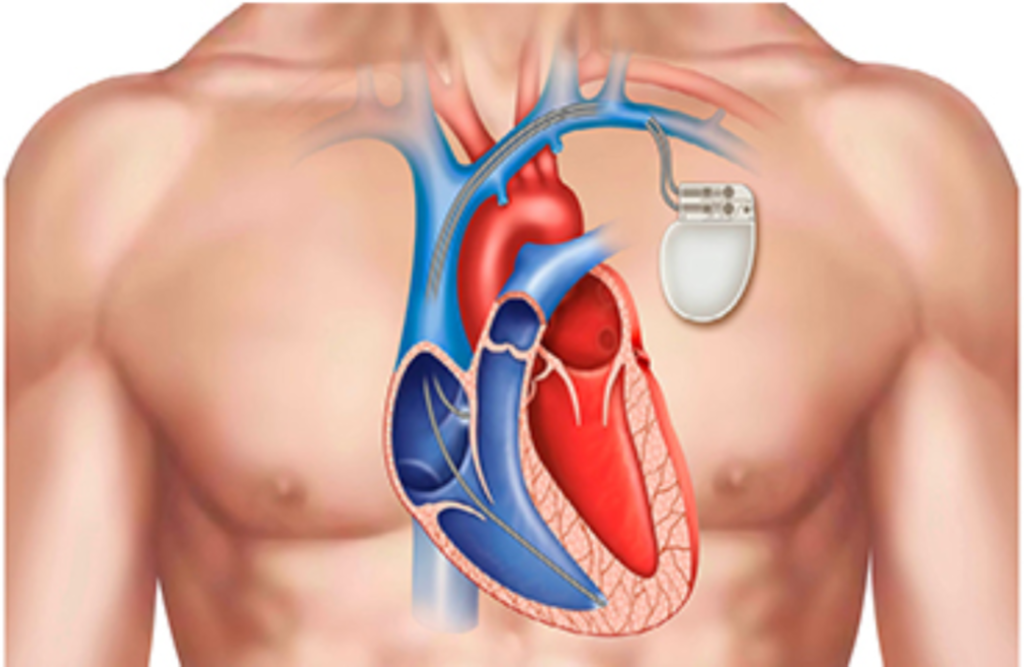
Who Needs a Pacemaker or ICD? An Interventional Cardiologist Explains Heart rhythm problems, also known as arrhythmias, can significantly affect a person’s quality of life – and in severe cases, may be life-threatening. Thankfully, medical science has developed highly effective devices like pacemakers and implantable cardioverter-defibrillators (ICDs) to help regulate abnormal heart rhythms. But who really needs these devices? What’s the difference between them? And how are they implanted? To answer these critical questions, we turn to Dr. A Sai Ravi Shanker, one of the most accomplished interventional cardiologists in India and currently serving as the HOD and Senior Consultant Cardiologist at Aster Prime Hospitals, Ameerpet, Hyderabad. With more than 20 years of experience and over 20,000 cath lab procedures to his name, Dr. Shanker is regarded as the Best Cardiologist in Hyderabad, especially for complex cardiac interventions like pacemaker and ICD implantations. Understanding Pacemakers and ICDs Both pacemakers and ICDs are small electronic devices implanted under the skin, typically near the collarbone, and connected to the heart with thin wires called leads. However, their functions differ: Pacemaker: Designed to keep the heart beating at a normal rate and rhythm, primarily used for bradycardia (slow heart rate) or heart block. ICD (Implantable Cardioverter Defibrillator): Monitors heart rhythm and delivers an electric shock if it detects a life-threatening arrhythmia such as ventricular tachycardia or ventricular fibrillation. Some patients may receive biventricular devices or dual-chamber ICDs, especially if they have heart failure or significant structural heart issues. Who Needs a Pacemaker? You may need a pacemaker if you suffer from: Bradycardia: A condition where your heart beats too slowly, leading to dizziness, fatigue, or fainting. Heart Block: A delay or complete block in the electrical signals that control heartbeats. Sick Sinus Syndrome: A malfunction in the heart’s natural pacemaker. Post-Cardiac Procedure Arrhythmias: Some patients develop rhythm disorders following heart surgeries or catheter interventions Dr. Sai Ravi Shanker, a renowned Interventional Cardiologist in Ameerpet, performs leadless pacemaker implantation, a cutting-edge technique that avoids traditional lead wires and offers quicker recovery with fewer complications. Who Needs an ICD? An ICD may be recommended for patients who are at high risk of sudden cardiac death due to: History of Cardiac Arrest or Ventricular Arrhythmias Severely Reduced Ejection Fraction (<35%)in Heart Failure Genetic Arrhythmia Syndromes like Long QT Syndrome or Brugada Syndrome Survivors of Sudden Cardiac Arrest ICDs are often life-saving for patients who have suffered from Acute Coronary Syndrome (ACS) or have other underlying heart muscle diseases. As part of Acute Coronary Syndrome (ACS) Treatment in Hyderabad patients are thoroughly evaluated for arrhythmia risks, and ICDs are advised when appropriate. Implantation and Recovery Both pacemaker and ICD implantation procedures are performed in a catheterization lab under local anesthesia. Patients usually go home within 24 – 48 hours and return to normal activities within a week or two. Follow-ups include device programming, battery checks, and occasional imaging to monitor lead placement. At Aster Prime Hospitals, Dr. Shanker and his team use advanced imaging techniques like IVUS/OCT to ensure precise placement and minimal risk. Their patient-centric approach ensures personalized care before, during, and after the procedure. Pacemakers and Aortic Conditions Patients with aortic valve disorders, aneurysms, or those undergoing structural interventions like TAVR (Transcatheter Aortic Valve Replacement) may sometimes require pacemakers due to damage or pressure on the heart’s electrical pathways. Dr. Shanker’s expertise in Aortic Aneurysms and Dissections Treatment in Hyderabad allows him to comprehensively assess and manage these complexities, ensuring both vascular and electrical heart functions are well cared for. Advances in Interventional Cardiology: A Combined Approach Dr. Sai Ravi Shanker is not just skilled in device implantation; he is a pioneer in combining interventional cardiology with structural and electrical heart therapies. From rotablation to ASD/PDA closures, his holistic approach ensures that patients get all-encompassing care under one roof. For patients seeking Aortic Aneurysms and Dissections Treatment in Hyderabad Aortic Aneurysms and Dissections Treatment in Hyderabad, timely diagnosis and interventions—whether endovascular or surgical – are vital. Sometimes, post-procedure arrhythmias can emerge, requiring pacemaker implantation. Dr. Shanker’s dual expertise ensures such transitions are seamless. Likewise, those undergoing Acute Coronary Syndrome (ACS) Treatment in Hyderabad often face the risk of arrhythmias post-stenting or heart muscle damage. Having access to a highly experienced interventional cardiologist who can manage both revascularization and rhythm correction can make a critical difference in outcomes Why Choose Dr. Sai Ravi Shanker? With credentials like FACC, FESC, and leadership positions in the Cardiology Society of India, Dr. Shanker stands at the forefront of advanced heart care. His deep understanding of electrophysiology, structural interventions, and critical cardiac emergencies make him the go-to expert for pacemaker and ICD implantation in Hyderabad. His publications, medical books, and dedication to clinical research reflect a commitment to not just treating heart diseases but advancing the field of cardiology itself. Conclusion Whether you’re dealing with a slow heartbeat, a life-threatening arrhythmia, or recovering from a major cardiac event, devices like pacemakers and ICDs offer new hope and extended life. Under the expert care of Dr. A Sai Ravi Shanker, patients in Hyderabad have access to world-class interventional cardiology solutions that are both safe and effective. If you or a loved one has been advised of a cardiac device or is undergoing Acute Coronary Syndrome (ACS) Treatment in Hyderabad or Aortic Aneurysms and Dissections Treatment in Hyderabad, book a consultation with Dr. Shanker to explore the best options tailored to your heart’s needs
Blog Details
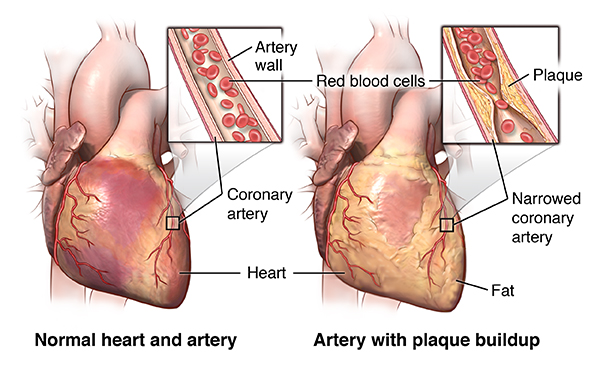
The Role of Stents in Treating Coronary Artery Disease Coronary Artery Disease (CAD) remains one of the leading causes of death worldwide, primarily caused by the buildup of plaque within the arteries that supply blood to the heart. As this plaque hardens and narrows the arteries, it reduces blood flow, increasing the risk of heart attacks and other cardiovascular complications. Thankfully, modern medicine has developed effective treatments that not only alleviate symptoms but also significantly reduce the risk of fatal events. One of the most impactful innovations in this field is the coronary stent. What Is a Stent? A stent is a small, mesh-like tube made of metal or polymer that is inserted into narrowed or blocked coronary arteries during a procedure called angioplasty. Once positioned, the stent helps keep the artery open, ensuring steady and uninterrupted blood flow to the heart. In many cases, stents are coated with medication (drug-eluting stents) to prevent the artery from narrowing again – a condition known as restenosis. How Stents Help in Coronary Artery Disease The primary role of a stent is to restore and maintain proper blood flow through the coronary arteries. Here’s how stents contribute to the management and treatment of CAD: Relieves Symptoms: Stents help alleviate symptoms like chest pain (angina), shortness of breath, and fatigue that result from reduced blood supply. Prevents Heart Attacks: By opening up the blocked artery, stents can significantly reduce the risk of a heart attack. Quick Recovery: Unlike open-heart surgery, stent placement is minimally invasive and requires significantly less recovery time. Improves Quality of Life: With improved blood circulation, patients often experience enhanced physical capacity and overall well-being. The Procedure: How It Works The stenting process is typically part of a procedure called Percutaneous Coronary Intervention (PCI) or angioplasty. A catheter is inserted through a small incision in the groin or wrist and guided to the blocked artery. Once the blockage is located, a balloon is inflated to open up the artery, and the stent is deployed to hold the artery open permanently. Dr. A Sai Ravi Shanker, an Interventional Cardiologist in Ameerpet, has performed over 20,000 such cath lab procedures with remarkable precision. His expertise spans from simple angioplasties to highly complex interventions such as Left Main Interventions, Bifurcation Stenting, and Chronic Total Occlusions (CTO). Types of Stents There are several types of coronary stents, including: Bare-metal stents (BMS): These were the first generation of stents and are rarely used today due to higher rates of restenosis. Drug-eluting stents (DES): Coated with medication that slowly releases to prevent scar tissue from forming, making them the most commonly used stents today. Bioresorbable stents: These dissolve over time and are still being evaluated for long-term effectiveness. Specialized stents: Such as those used in carotid arteries or vein grafts, tailored to unique vascular needs. Who Needs a Stent? Patients who have been diagnosed with coronary artery disease through tests such as an angiogram, and are found to have significant blockages in one or more coronary arteries, are typically considered candidates for stenting. In emergency settings, such as a heart attack, stents can be lifesaving by restoring blood flow quickly. It’s crucial to have such procedures performed by a highly skilled professional. Dr. Sai Ravi Shanker, widely regarded as the Best Cardiologist in Hyderabad, has a proven track record in performing life-saving coronary interventions. His role as the HOD and Senior Consultant Cardiologist at Aster Prime Hospitals, coupled with his academic contributions and leadership positions in professional cardiology societies, underscores his commitment to clinical excellence. Post-Stent Care After a stent placement, patients are generally prescribed medications like antiplatelet therapy to prevent blood clots. Lifestyle changes – such as a heart-healthy diet, regular exercise, stress management, and quitting smoking—are equally important to ensure long-term success. Regular follow-ups with your cardiologist are essential to monitor heart health and detect any complications early. At Aster Prime Hospitals, patients under the care of Dr. Sai Ravi Shanker receive personalized follow-up plans to ensure optimal recovery and minimal risk of restenosis. As a leading Interventional Cardiologist in Ameerpet, Dr. Shanker emphasizes comprehensive care that extends beyond the procedure. Why Choose Dr. Sai Ravi Shanker? With over 20 years of experience, Dr. Shanker combines medical expertise with compassionate, patient-centered care. His affiliations with international cardiology societies such as FACC and FESC reflect a global standard of excellence. Moreover, his contributions through books, publications, and leadership roles in the Cardiology Society of India make him a trusted name in the field. For those seeking the Best Cardiologist in Hyderabad, Dr. Shanker’s credentials, results, and reputation speak volumes. Whether you’re managing chronic heart issues or facing an acute cardiac event, his guidance ensures you are in the safest hands. Conclusion The use of stents in treating coronary artery disease has transformed the prognosis of heart patients. With minimally invasive techniques, faster recovery times, and high success rates, stenting is a cornerstone of modern cardiology. Under the expert care of professionals like Dr. A Sai Ravi Shanker, patients not only receive cutting-edge treatment but also the assurance of compassionate and comprehensive heart care.
Blog Details
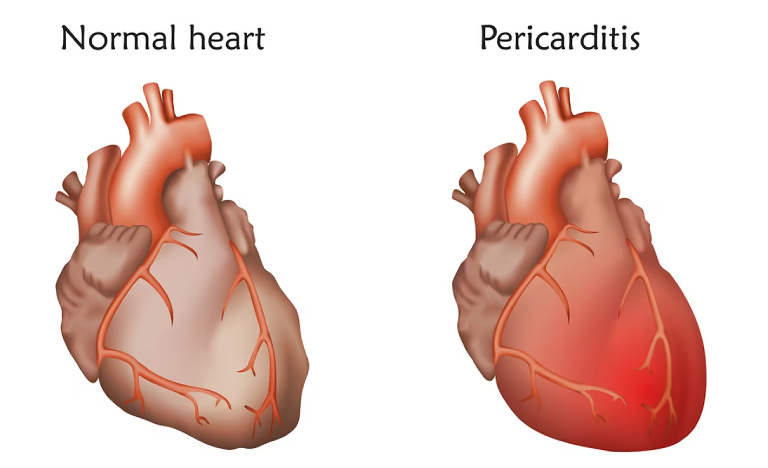
Early Signs That You May Need Pericarditis Treatment in Hyderabad Chest pain can be a terrifying experience. Often mistaken for a heart attack, it may sometimes point to a lesser-known but serious condition—pericarditis. Pericarditis is the inflammation of the pericardium, the protective sac that surrounds your heart. When ignored, it can lead to complications such as pericardial effusion or even cardiac tamponade, both of which require immediate medical attention.Recognizing the early signs can be life-saving, especially when you have access to expert pericarditis Treatment in Hyderabad. Hyderabad has emerged as a leading city for cardiac care in India, offering access to world-class cardiologists, cutting-edge facilities, and compassionate treatment. One such renowned expert is Dr. A Sai Ravi Shanker, an interventional cardiologist with over 20 years of experience in managing complex cardiac conditions, including pericarditis and related complications. What Is Pericarditis? Pericarditis refers to inflammation of the pericardium, often resulting from infections, autoimmune diseases, trauma, or post-surgical complications. The condition can be acute (sudden onset) or chronic (long-lasting), and may vary in severity. When left untreated, pericarditis can lead to the accumulation of fluid around the heart, a condition known as pericardial effusion, which can further strain the heart’s ability to function effectively. Fortunately, timely diagnosis and pericarditis treatment in Hyderabad can help avoid such outcomes. Key Early Signs of Pericarditis Understanding the symptoms of pericarditis can help you seek medical intervention at the right time. Here are some early signs to watch out for: If you or a loved one experiences any of these symptoms, seeking prompt medical advice for pericarditis treatment in Hyderabad is crucial. Diagnosing Pericarditis Diagnosis typically involves a combination of physical examination and diagnostic tests such as: These tests help determine whether there is inflammation or fluid buildup (pericardial effusion) and the best course of action moving forward. The Importance of Timely Pericardial Effusion Treatment When fluid begins to accumulate in the pericardial sac, it can compress the heart, preventing it from filling properly. This is known as pericardial effusion, and it is a serious condition requiring urgent care. Thanks to advanced facilities and experienced specialists, pericardial effusion treatment in Hyderabad is now both accessible and effective. Treatments may include anti-inflammatory medications, corticosteroids, or procedures such as pericardiocentesis, where fluid is drained from around the heart using a catheter. Dr. A Sai Ravi Shanker has successfully managed numerous cases of pericardial effusion using both medical and interventional strategies, ensuring that patients receive safe and prompt care. Why Hyderabad Is a Preferred Destination for Cardiac Care Hyderabad is home to some of the most advanced cardiac care units in the country. From modern cath labs to 24/7 emergency cardiac support, the city provides comprehensive cardiovascular services under one roof. With over 10,000 cath lab procedures to his name, Dr. Shanker leads the cardiac department at Virinchi Hospitals, Banjara Hills, where he serves as the CEO and Director of the Cath Lab. His contributions to research and medical education have further solidified his reputation as a leader in interventional cardiology. Patients seeking pericardial effusion treatment in Hyderabad can count on Dr. Shanker’s precise diagnosis, evidence-based care, and patient-centric approach for the best outcomes. Preventing Future Episodes of Pericarditis Once you’ve been diagnosed and treated for pericarditis, it’s essential to follow a structured post-treatment plan. This often includes: Education and early detection are key in preventing complications. Being proactive with your heart health significantly reduces your risk of a second episode. Conclusion: Trust the Best Interventional Cardiologist in Hyderabad Pericarditis can be a frightening experience, but early detection and expert intervention can make a world of difference. Whether you’re experiencing initial symptoms or managing a recurring condition, your best course of action is to consult an experienced interventional cardiologist in Ameerpet like Dr. A Sai Ravi Shanker. With his deep expertise, commitment to clinical excellence, and access to world-class facilities at Virinchi Hospitals, Dr. Shanker provides personalized and comprehensive care for all heart-related conditions—including pericarditis and pericardial effusion. Book a consultation today and take the first step towards protecting your heart with confidence and care.
Blog Details
The Future of Heart Health: Cardiology Treatment in Hyderabad Heart disease remains one of the leading causes of death in India, and Hyderabad, being one of the country’s major medical hubs, is playing a transformative role in redefining cardiac care. With rapid technological advancements, growing awareness, and the presence of leading experts like Dr. A Sai Ravi Shanker, the city is quickly becoming a beacon of hope for patients suffering from heart ailments. The future of heart health looks more promising than ever, especially when it comes to Cardiology Treatment in Hyderabad. A New Era of Cardiac Care Gone are the days when complex heart issues required patients to travel to metro cities like Delhi or Mumbai. Today, Hyderabad stands tall as a leader in cardiac care. State-of-the-art infrastructure, cutting-edge diagnostic tools, and internationally accredited cardiac centers have revolutionized cardiology treatment in Hyderabad, making world-class care accessible to all. Dr. A Sai Ravi Shanker, CEO and Director of the Cath Lab at Virinchi Hospitals, Banjara Hills, is one of the frontrunners of this cardiac revolution. With over two decades of clinical excellence and more than 10,000 cath lab procedures under his belt, he brings a blend of expertise, compassion, and innovation that defines the future of cardiac care. Innovations in Heart Failure Treatment Heart failure is a condition that affects the heart’s ability to pump blood effectively, and its management requires a multi-disciplinary approach. Fortunately, Heart Failure Treatment in Hyderabad has evolved significantly over the past few years. Patients now have access to advanced treatment modalities like: Hyderabad’s top cardiologists are now using data-driven diagnostics and artificial intelligence to personalize heart failure therapies, allowing for earlier intervention and better outcomes. Dr. Shanker’s dedication to continuous research and patient-centric care has placed him at the forefront of these innovations. The Role of Advanced Cath Labs One of the major breakthroughs in modern cardiology has been the development of advanced catheterization laboratories (cath labs). These high-tech environments allow specialists to perform complex, life-saving procedures without the need for open-heart surgery. As the Director of the Cath Lab at Virinchi Hospitals, Dr. A Sai Ravi Shanker has led numerous groundbreaking procedures. His proficiency in interventional cardiology has improved the prognosis for thousands of patients, especially those in critical condition. The cath lab at Virinchi is equipped with the latest imaging technologies and real-time diagnostic tools, enabling faster and more accurate treatment decisions. Making Cardiology More Accessible and Affordable One of the key goals of future cardiac care is making treatment affordable and accessible for the local population. This is especially vital for a city as diverse and growing as Hyderabad. Public awareness campaigns, subsidized screening camps, and digital health platforms are helping bridge the gap between patients and timely treatment. For patients dealing with chronic conditions like congestive heart failure, heart failure treatment in Hyderabad has become more structured, with dedicated heart failure clinics and support groups led by specialists like Dr. Shanker. These programs offer not only medical care but also dietary guidance, psychological support, and lifestyle modifications. Embracing Preventive Cardiology Preventive cardiology is another area gaining significant momentum. With lifestyle-related diseases on the rise, early screening and risk assessment have become critical. Dr. Shanker strongly advocates for early intervention and regular heart health checkups, especially for people with a family history of cardiac disease, diabetes, or high blood pressure. Modern diagnostic tools like coronary calcium scoring, 3D echocardiography, and advanced lipid profiling are now widely available in Hyderabad. These tools allow for the identification of potential heart issues even before symptoms arise, ensuring a longer and healthier life for patients. The Way Forward: Personalized and Digital Heart Care The future of cardiology lies in personalization. From genetic profiling to AI-powered predictive models, tomorrow’s cardiac treatments will be custom-tailored to individual needs. Telemedicine is also gaining traction, allowing patients in remote areas to access quality care without having to travel far. As technology continues to evolve, Hyderabad is poised to remain at the forefront of this transformation—led by visionaries like Dr. Shanker who combine clinical excellence with compassion. Conclusion: Trusting the Right Specialist for the Future Navigating heart conditions can be overwhelming, but with the right expert by your side, the journey becomes a lot more manageable. As a highly respected Interventional Cardiologist in Hyderabad, Dr. A Sai Ravi Shanker brings together experience, innovation, and dedication to offer unmatched cardiac care. Whether it’s preventive screening, emergency intervention, or long-term management of complex heart diseases, patients can rest assured they are in the safest hands. To explore the most advanced and compassionate cardiac care in the city, book your consultation with Dr. A Sai Ravi Shanker today and take a step toward a healthier heart and a longer life.
Blog Details

5 Signs You Need to Consult the Best Cardiologist in Hyderabad Immediately When it comes to matters of the heart, both literally and figuratively, early detection and timely treatment can make all the difference. Cardiovascular diseases often progress silently, and by the time symptoms become severe, critical damage may have already occurred. That’s why it’s crucial to understand the warning signs and act promptly. In a bustling city like Hyderabad, access to world-class cardiac care is not a challenge—but knowing when to consult the best cardiologist in Hyderabad can be. Five Key Signs to Never Ignore In this blog, we explore five key signs that should never be ignored and may indicate the urgent need to consult a cardiologist, especially someone with the expertise of an interventional cardiologist in Ameerpet like Dr. A Sai Ravi Shanker. 1. Chest Pain or Discomfort This is perhaps the most well-known indicator of a heart problem. However, not all chest pains are dramatic or intense. You might feel pressure, tightness, or a squeezing sensation in the chest. These signs could be associated with angina, which results from reduced blood flow to the heart muscle and may indicate coronary artery disease. If you’re experiencing recurrent chest discomfort—even if it’s mild—do not brush it off. It’s a clear signal to consult the best cardiologist in Hyderabad who can run appropriate diagnostics such as ECG, stress tests, or angiography to determine the underlying issue. 2. Shortness of Breath, Especially During Routine Activities Climbing stairs, walking short distances, or performing daily chores should not leave you breathless. Shortness of breath can occur when the heart isn’t pumping effectively, leading to fluid buildup in the lungs. It could be a sign of heart failure, arrhythmia, or valvular disease. As a senior Interventional Cardiologist in Ameerpet, Dr. A Sai Ravi Shanker specializes in diagnosing and treating such conditions with advanced interventional procedures, which can restore normal function and significantly improve quality of life. 3. Persistent Fatigue and Dizziness While we all feel tired sometimes, chronic fatigue and unexplained dizziness can be indicative of poor blood circulation caused by heart dysfunction. These symptoms often develop gradually and may be mistaken for general weakness or stress. If fatigue continues despite adequate rest, or if you frequently feel dizzy, it’s time to seek medical attention. The best cardiologist in Hyderabad, such as Dr. Shanker at Virinchi Hospitals, will conduct a thorough evaluation to identify potential heart-related causes and provide timely intervention. 4. Irregular Heartbeat or Palpitations An irregular or fast heartbeat, commonly referred to as palpitations, could signal arrhythmia. While occasional palpitations may be harmless, frequent or intense episodes might be symptomatic of a more serious condition. In such cases, an interventional cardiologist in Ameerpet with expertise in electrophysiology can assess and treat the condition using procedures like catheter ablation or pacemaker implantation if required. Ignoring irregular heartbeats can lead to complications such as stroke or heart failure, so early consultation is key. 5. Swelling in Legs, Ankles, or Abdomen Fluid retention in the body—most commonly visible in the legs and ankles—is another sign of heart failure. It occurs when the heart cannot pump blood efficiently, causing fluid to build up in the lower extremities or even the abdomen. If you notice unexplained swelling, especially when paired with weight gain or reduced urination, consult a cardiologist immediately. At Virinchi Hospitals, Dr. A Sai Ravi Shanker and his team use state-of-the-art diagnostics to identify the root cause and provide effective treatment plans. Why Choose Dr. A Sai Ravi Shanker? With over 20 years of experience, Dr. A Sai Ravi Shanker is one of the best cardiologists in Hyderabad. He has performed more than 10,000 cath lab procedures and holds prestigious fellowships from the American College of Cardiology (FACC) and the European Society of Cardiology (FESC). His role as CEO and Director of the Cath Lab at Virinchi Hospitals underscores his clinical leadership and commitment to excellence. As a renowned interventional cardiologist in Ameerpet, Dr. Shanker uses minimally invasive procedures to diagnose and treat a wide range of cardiovascular conditions. His research contributions, national publications, and authorship of two medical books further highlight his dedication to advancing cardiac care. Final Thoughts Your heart works tirelessly to keep you alive. It’s only fair that you listen when it signals distress. Whether it’s chest discomfort, fatigue, or irregular heartbeat—these signs should never be ignored. Consulting the best cardiologist in Hyderabad at the right time can literally save your life. Don’t wait for symptoms to escalate. Book an appointment with Dr. A Sai Ravi Shanker, the leading interventional cardiologist in Ameerpet, and take the first step toward a healthier heart.
Blog Details

How an Interventional Cardiologist in Ameerpet Helps Adults Living with Congenital Heart Disease Understanding Adult Congenital Heart Disease For decades, congenital heart disease (CHD) was often viewed as a childhood condition. However, advancements in pediatric cardiology and surgical techniques have allowed more individuals born with CHD to survive into adulthood. Today, there’s a growing population of adult congenital heart disease (ACHD) patients who require lifelong, specialized cardiac care. This is where an interventional cardiologist in Ameerpet, like Dr. A Sai Ravi Shanker, plays a crucial role. As the CEO and Director of the Cath Lab at Virinchi Hospitals, Banjara Hills, and one of the most experienced interventional cardiologists in Hyderabad, Dr. Shanker brings over 20 years of clinical expertise and innovation in treating complex cardiac cases—including adult congenital heart disease. Understanding Adult Congenital Heart Disease Congenital heart disease refers to structural defects in the heart that are present from birth. These can range from simple holes in the heart walls (such as atrial or ventricular septal defects) to complex anomalies involving multiple heart structures. While many of these conditions are corrected during childhood, some may persist, recur, or develop new complications in adulthood. Adults with CHD may experience symptoms such as: These symptoms may worsen over time if not managed effectively. This is why having access to the best cardiologist in Hyderabad is critical for long-term heart health. Role of an Interventional Cardiologist in Ameerpet Unlike traditional cardiologists, an interventional cardiologist in Ameerpet like Dr. A Sai Ravi Shanker is trained to perform minimally invasive procedures using catheter-based techniques. These methods allow treatment of complex heart defects without the need for open-heart surgery. Here’s how Dr. Shanker supports adult CHD patients: 1. Advanced Diagnostics Accurate diagnosis is the foundation of effective treatment. Dr. Shanker uses state-of-the-art imaging technologies such as echocardiography, cardiac MRI, and CT angiography to assess the nature and severity of congenital defects. These tools help in planning precise interventional procedures with minimal risk. 2. Catheter-Based Procedures Many congenital heart defects in adults can now be corrected through minimally invasive procedures. These include: These procedures are typically performed in a catheterization lab, under local anesthesia and imaging guidance. As the Director of Cath Lab at Virinchi Hospitals, Dr. Shanker has successfully completed over 10,000 cath lab procedures, making him one of the most trusted names in the field. Comprehensive, Long-Term Cardiac Care The management of adult congenital heart disease doesn’t end with one procedure. It requires lifelong monitoring, medication adjustments, and lifestyle modifications to prevent complications such as arrhythmias, heart failure, or pulmonary hypertension. This is where consulting the best cardiologist in Hyderabad becomes vital. Dr. Shanker provides a patient-centric approach, offering personalized treatment plans and ongoing cardiac evaluations to ensure stable heart function and a better quality of life. Collaboration with a Multidisciplinary Team Many adult CHD patients may also require input from pulmonologists, electrophysiologists, and heart failure specialists. Dr. Shanker collaborates with a multidisciplinary team at Virinchi Hospitals to deliver holistic care under one roof. His memberships with the Cardiological Society of India, American College of Cardiology (FACC), and European Society of Cardiology (FESC) ensure he stays at the forefront of global cardiovascular advancements and best practices. Why Choose Dr. A Sai Ravi Shanker? If you’re looking for the best cardiologist in Hyderabad for congenital heart disease management, Dr. A Sai Ravi Shanker stands out for his unmatched credentials and compassionate care. Apart from his impressive clinical background, he has also authored two medical books and published multiple research papers in national journals—reflecting his commitment to continuous learning and excellence in patient care. Final Thoughts Living with congenital heart disease as an adult can be challenging, but with expert care and timely intervention, patients can lead full and active lives. Whether you were born with a heart defect or are dealing with residual issues from childhood surgery, consulting an interventional cardiologist in Ameerpet like Dr. Shanker can make all the difference. Don’t ignore symptoms or delay follow-ups. Schedule your consultation today and take proactive steps toward protecting your heart health.
Blog Details

Link Between Weightlifting and Heart Health Weightlifting can have positive effects on heart health when done properly. Here are some ways in which weightlifting can benefit the heart: Weightlifting can be beneficial for heart health, it’s essential to approach it safely. This includes using proper technique, starting with lighter weights, and gradually increasing the intensity. It’s also a good idea to consult with a healthcare provider before starting a new exercise program, especially if you have existing heart conditions or other health concerns.
Blog Details

Preventive measures to avoid cardiac arrest at a young age Preventive measures to avoid cardiac arrest at a youthful age Globally, heart conditions are now the primary cause of mortality and disability. The most concerning of them is unforeseen cardiac arrest, which can be suddenly and happens within an hour of the onset of symptoms It appears that indeed healthy people can succumb to this type of heart- related death, occasionally known as” unforeseen cardiac death.” Both healthy individualities and those with developed, stable cardiac problems are at danger. WHAT IS SUDDEN CARDIAC ARREST? The unanticipated cessation of heart exertion brought on by an abnormal heart rhythm is known as unforeseen cardiac arrest. Breathing stops in this. This might be if deposits of cholesterol or other accoutrements clog the cardiac arteries, decreasing theamount of blood that reaches the heart.Sudden cardiac arrest can do as a result of a heart attack. RISING CASES AMONG young PEOPLE In young people, unforeseen cardiac arrest isn’t unusual and is getting more frequent. roughly 80% of incidents involve individualities who have coronary artery disease.” These individualities experience constriction or blockages if angiography a medical imaging procedure that uses anX-ray to examine blood vessels is performed. still, the maturity don’t experience a heart attack, which is defined medically as an abrupt blockage of a coronary artery disease by heart muscleinjury. The majority of cases are substantially caused by irregular cardiac rhythms, similar as ventricular tachycardia and ventricular fibrillation, and aren’t connected to heart attacks. STRATEGIES FOR Prevention It’s advised to be apprehensive of the troubles and take way to reduce them because young people are passing an increase in abrupt cardiac apprehensions. It’s critical to address coronary coronary artery disease risk factors. This include controlling diabetes, stopping smoking, managing hypertension( which is the main cause), keeping an applicable weight, engaging in regular physical exercise, and enforcing a balanced diet. Since heart complaint tends to go from a advanced risk in young adults to an early mortality in middle age, prevention efforts should begin early in life. Significance of Early Screening Early and routine screening for heart complaint and its risk factors is the alternate preventative system. After the age of 40, screening should be done every three times, or sooner if there’s a family history or the case has high- risk factors. It may be important to undergo drug therapy , particularly for conditions like diabetes, high blood pressure, and cholesterol. Those who are considered high- risk may indeed need to have defibrillator bias implanted, which can save lives. Cardiomyopathies are, or conditions of the heart muscles, are constantly the cause of cardiac arrest in young people, particularly in their teens and twenties. thus, it’s advised that students and young adults in their 20s undergo routine screening , which includes clinical examination, electrocardiogram, and echocardiography.It is also possible to provide cascade screening, a methodical procedure for identifying members of a family who are susceptible to a hereditary disease. Part of exercise Regular well- paced exercise is defensive, notwithstanding worries about risk associated with exercise. Athletes with abidance and high intensity might profit from routine webbing checks. CPR training Experts advise that prevention is the best course of action because cardiac apprehensions are fatal. Effective CPR can increase survival rates.” Public mindfulness juggernauts, automated external defibrillators in public spaces, and CPR training for the general public can significantly lower the prevalence of fatal cardiac apprehensions.”
Blog Details

Heart Disease And Diabetes: What’s The Link? Heart disease and diabetes are closely linked, and individuals with diabetes are at an increased risk of developing heart disease. The relationship between the two conditions is complex, involving various factors that contribute to cardiovascular complications. Here are some key aspects of the link between heart disease and diabetes: Insulin Resistance: In type 2 diabetes, the body’s cells become resistant to the effects of insulin, a hormone that helps regulate blood sugar. Insulin resistance is associated with other metabolic abnormalities, such as high blood pressure and abnormal lipid levels, which contribute to cardiovascular risk. High Blood Sugar Levels: Persistently high levels of blood sugar (glucose) can damage blood vessels and the heart over time. This damage increases the risk of atherosclerosis, a condition where the arteries become narrowed and hardened due to the accumulation of plaques. Inflammation: Both diabetes and heart disease are associated with chronic inflammation. Inflammation can contribute to the development and progression of atherosclerosis and other cardiovascular complications. Abnormal Lipid Profile: Diabetes often leads to changes in lipid metabolism, resulting in elevated levels of triglycerides and decreased levels of high-density lipoprotein (HDL or “good” cholesterol). These lipid abnormalities are risk factors for heart disease. Hypertension (High Blood Pressure): Diabetes is a common risk factor for hypertension, and high blood pressure is a significant contributor to heart disease. The combination of diabetes and hypertension further increases the risk of cardiovascular complications. Obesity: Obesity is a risk factor for both diabetes and heart disease. Excess body weight, especially abdominal obesity, is linked to insulin resistance and an increased likelihood of developing cardiovascular problems. Microvascular Complications: Diabetes can lead to microvascular complications, affecting small blood vessels. These complications can impact the heart by reducing blood flow to the coronary arteries. Genetic Factors: There may be shared genetic factors that contribute to both diabetes and heart disease, making some individuals more predisposed to developing both conditions. Lifestyle Factors: Unhealthy lifestyle choices, such as poor diet, lack of physical activity, and smoking, can contribute to the development and progression of both diabetes and heart disease. Managing diabetes effectively through lifestyle changes, medication, and regular medical check-ups can help reduce the risk of cardiovascular complications. It’s essential for individuals with diabetes to work closely with healthcare professionals to control their blood sugar levels, manage blood pressure, and address other risk factors to minimize the risk of heart disease.
Blog Details
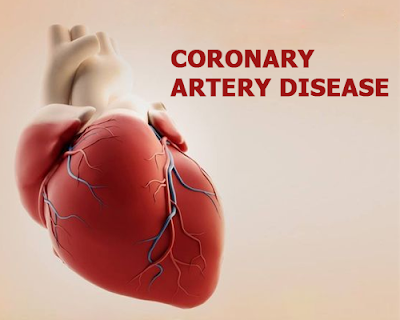
What Should I Do If I Have Risk Factors for Coronary Artery Disease? If you have risk factors for coronary artery disease (CAD), it’s important to take proactive steps to reduce your risk and promote heart health. Here are some general recommendations: Consult with a Healthcare Professional: Schedule regular check-ups with your healthcare provider to assess your overall health and discuss your specific risk factors. Healthy Lifestyle Choices: Diet: Adopt a heart-healthy diet that is low in saturated fats, tran’s fats, cholesterol, and sodium. Focus on fruits, vegetables, whole grains, lean proteins, and healthy fats like those found in nuts and olive oil. Exercise:Engage in regular physical activity. Aim for at least 150 minutes of moderate-intensity exercise or 75 minutes of vigorous-intensity exercise per week, along with strength training exercises at least twice a week. Maintain a Healthy Weight: Achieve and maintain a healthy weight through a combination of a balanced diet and regular exercise. Quit Smoking: If you smoke, quit. Smoking is a major risk factor for coronary artery disease (CAD), and quitting can have immediate and long-term benefits for your heart health. Limit Alcohol Consumption: If you consume alcohol, do so in moderation. For most adults, this means up to one drink per day for women and up to two drinks per day for men. Manage Stress: Find healthy ways to manage stress, such as through relaxation techniques, meditation, yoga, or hobbies. Control Blood Pressure: Monitor and manage your blood pressure. High blood pressure is a significant risk factor for coronary artery disease (CAD). Lifestyle changes and, if necessary, medication can help control blood pressure. Control Cholesterol Levels: Keep your cholesterol levels in check. Work with your healthcare provider to manage cholesterol through diet, exercise, and medications if needed. Manage Diabetes: If you have diabetes, work closely with your healthcare team to manage your blood sugar levels. Good diabetes management is crucial for heart health. Medication Adherence: If prescribed medication for any condition, take it as directed by your healthcare provider. Remember, it’s essential to tailor these recommendations to your specific health needs. Consult with your healthcare provider for personalized advice based on your medical history, risk factors, and overall health status. Regular medical check-ups and open communication with your healthcare team are key to maintaining heart health and preventing coronary artery disease.
